Jaffna
Written by the Sithiyam Travel team in Colombo
Jaffna in the north: temples, Delft Island ferries, how many days to give it, and how to get there from Colombo by train or road.
 Sri Lanka
Overview
What makes this place worth the journey.
Why Visit Jaffna?
Jaffna, the vibrant capital of Sri Lanka’s Northern Province, stands as the cultural heart of the island’s Tamil community and a gateway to the rich heritage of the Jaffna Peninsula. This beautiful city is known for its authentic atmosphere and the friendly smiles of locals who welcome visitors exploring the city centre.
Once the capital of the historic Jaffna Kingdom before it fell to Portuguese colonial forces in 1619, Jaffna has re-emerged as a destination steeped in faith, food, and tradition. The city’s identity is deeply intertwined with the scars and stories of the bloody civil war that ended in 2009, with many local families carrying personal experiences that reflect the region’s painful past.
From its towering Hindu temples adorned with colorful gopurams to colonial-era forts, serene beaches, and offshore islands, Jaffna feels like a world apart from the lush hills and southern coastlines of Sri Lanka. Compared to other parts of the country, Jaffna offers a unique culture and atmosphere that sets it apart. The Jaffna Market, located in the main city centre, buzzes with life, offering fresh produce and local delicacies that highlight the vibrant local culture. Many visitors who have walked through the market have enjoyed learning about local traditions, engaging with vendors, and experiencing the daily rhythm of the city.
Here, ancient Dravidian heritage meets Sri Lankan warmth. where the scent of incense mingles with the salty sea breeze of the Jaffna Lagoon, and where time-honored traditions thrive amidst revival and renewal. The cityscape reflects a blend of colonial history and Tamil culture, featuring colorful Hindu temples, vibrant markets, and landmarks like the Jaffna Clock Tower, built in 1875 to commemorate the visit of Albert Edward, Prince of Wales. The city also preserves many remnants of the British colonial period and Dutch forts colonial architecture.
We highly recommend visiting the beautiful Hindu temples, the historic Dutch Fort, and the nearby islands to fully enjoy and appreciate the unique charm of Jaffna. Whether you walk through the city’s historic streets or spend time enjoying the tranquil beaches, you’ll find yourself immersed in a rich cultural experience unlike any other in Sri Lanka.
Visitors to Jaffna embark on a deeply cultural journey shaped by spirituality, resilience, and the unique Tamil identity that defines this region of Northern Sri Lanka.
How many nights, and where it fits
Counted off the routes we actually sell, not guessed.
Is it worth basing here?
Some towns are a lunch stop, not a base. We say which.
Conclusion
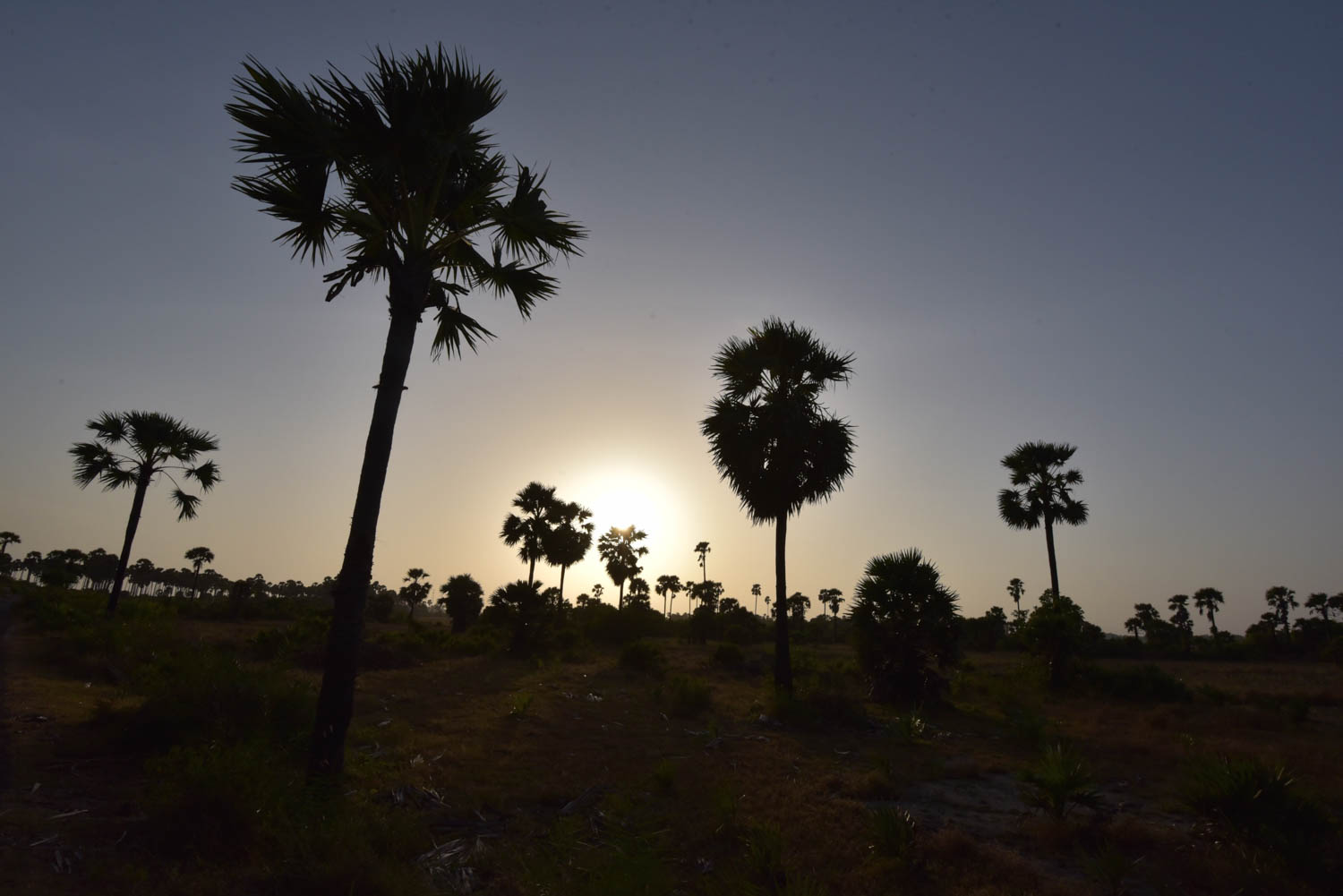
Jaffna is more than a destination — it’s a rediscovery of Sri Lanka’s northern soul. A place where history whispers through temple bells, where palmyra palms sway by the sea, and where hospitality is as warm as the northern sun.
For travelers seeking authenticity, spirituality, and cultural depth, Jaffna offers a different rhythm — a poetic counterpoint to the island’s tropical south.
Plan your Northern Sri Lanka adventure with Sithiyam, and witness how Jaffna’s story continues to unfold — full of resilience, beauty, and pride.
What to do
The place itself, then everything around it opens up.

Top Attractions & Things to Do in Jaffna
Nallur Kandaswamy Kovil
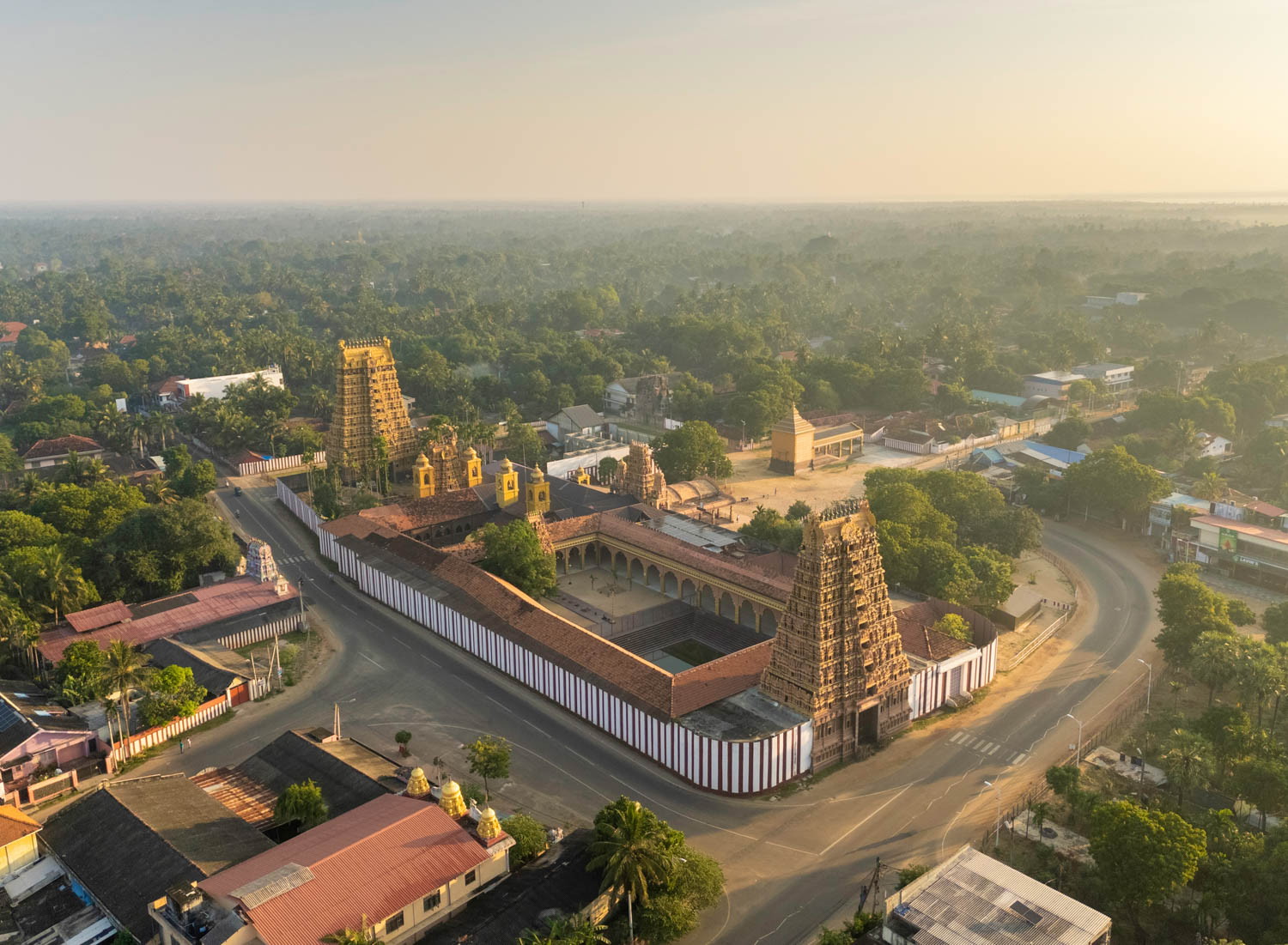
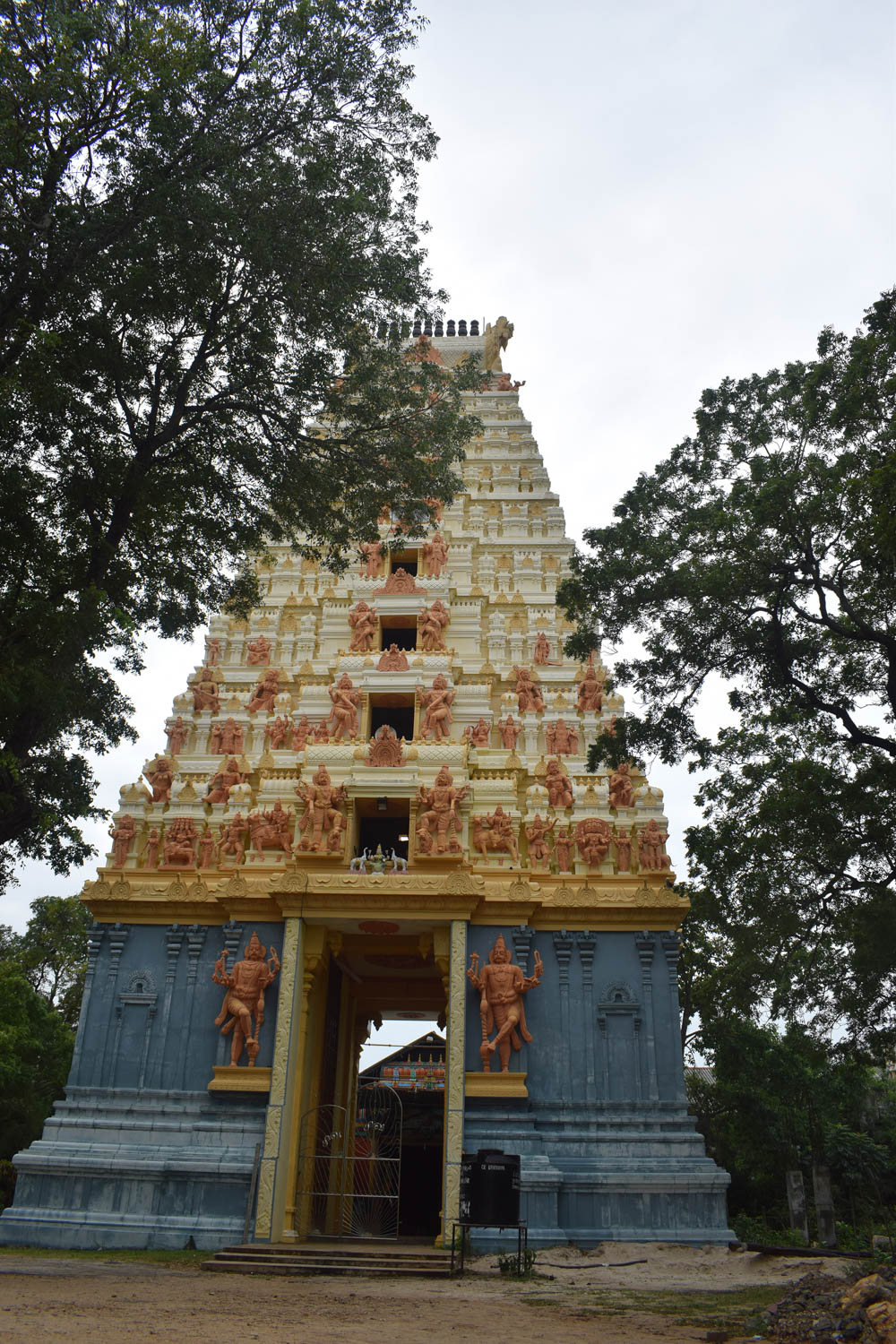
The spiritual centerpiece of Jaffna, this important Hindu temple dating back to the 15th century is dedicated to Lord Murugan (Kataragama). Its golden tower and intricate Dravidian-style architecture make it a masterpiece and a must-visit site, located just ten minutes from Jaffna town.
The temple is a hub for local devotees, especially during the vibrant Nallur Festival in August, which fills the streets with color, music, and devotion. What makes this temple special is its deep cultural and spiritual significance, drawing pilgrims and visitors from across the region.
Explore Nallur Kandaswamy Kovil complete guide here!
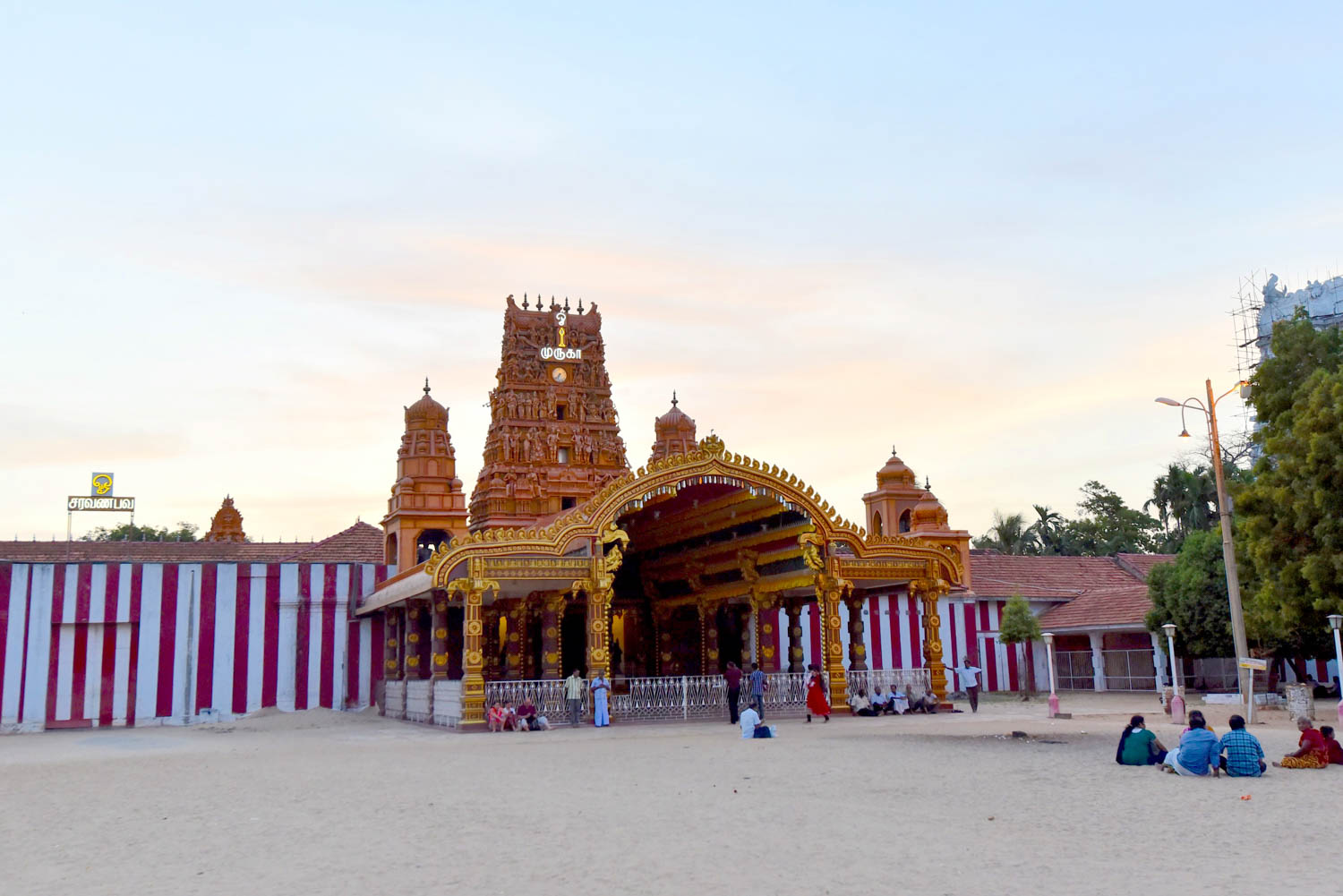
Only certain areas of the temple are allowed for non-Hindu visitors, so please respect the access restrictions.
👉 Visitors should dress modestly — shoes off, shoulders and legs covered, and men must remove their shirts before entering.
We highly recommend visiting this temple to experience its unique atmosphere and spiritual importance.
Jaffna Fort
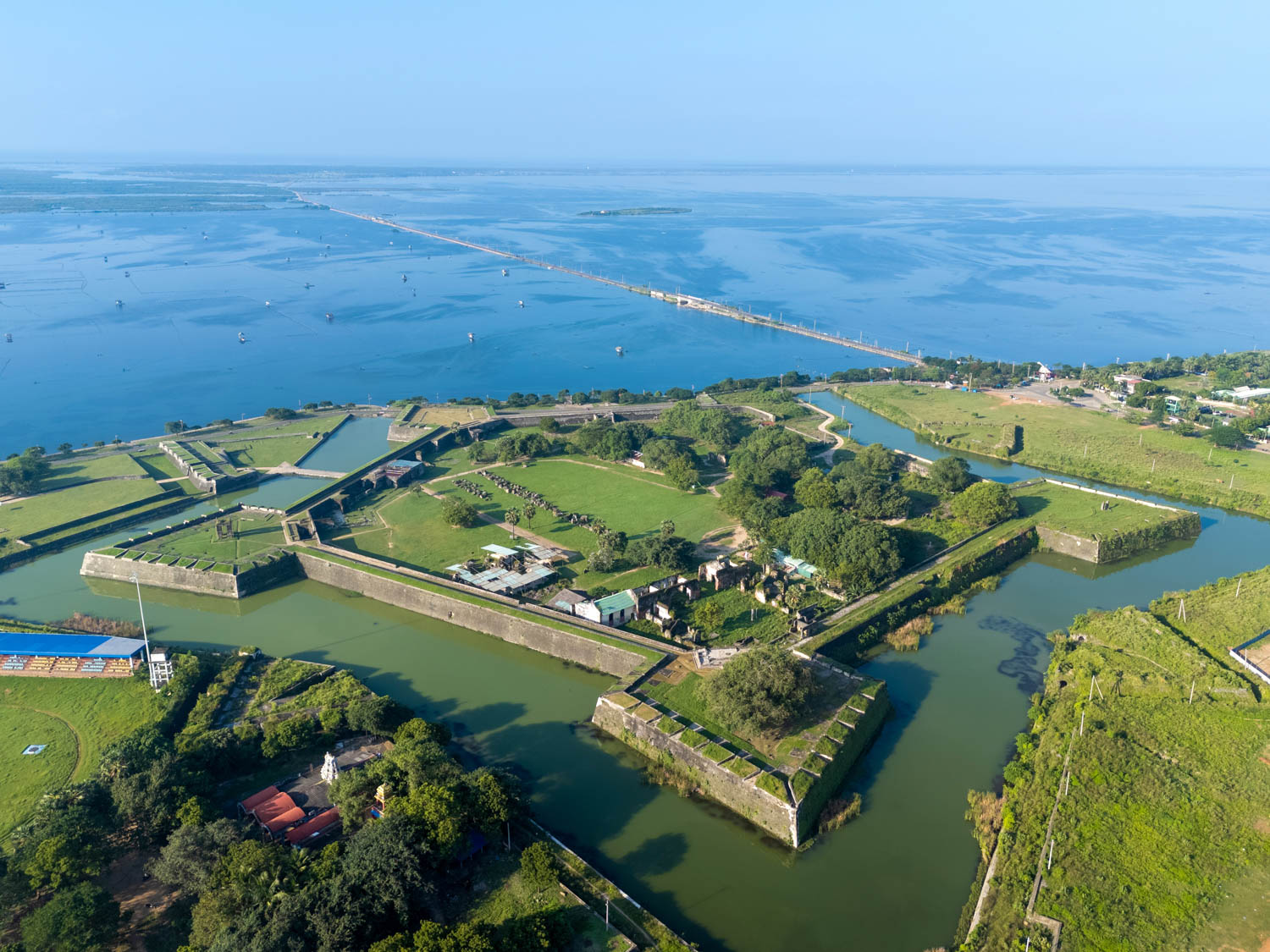
Built by the Portuguese in 1618 and later expanded by the Dutch and English, Jaffna Fort is a star-shaped fortress overlooking the Jaffna Lagoon and the strategic Palk Strait. Compared to Galle Fort, Jaffna Fort is smaller and easier to explore, making it ideal for a half-day visit. To reach the fort, turn left at the clock tower.

Within the fort, you can see the ruins and remains of colonial buildings, some of which were destroyed during conflict. Ongoing construction and building restoration projects are helping to preserve and enhance these historical sites. The fort’s imposing ramparts and moats tell stories of centuries of conflict and colonial rule, including its role during the Sri Lankan civil war.
Jaffna Fort is a special place, and it is worth visiting for its unique historical significance. Be sure to watch the sunset from the fort’s ramparts for a memorable view of the city, lagoon, and coastline.
Jaffna Public Library
One of Asia’s largest libraries before its tragic destruction in 1981 during ethnic unrest, the Jaffna Public Library is a symbol of resilience, education, and cultural pride for the Tamil community. It housed nearly 100,000 ancient manuscripts and texts of Tamil literature before being destroyed and burnt down during the bloody civil war.
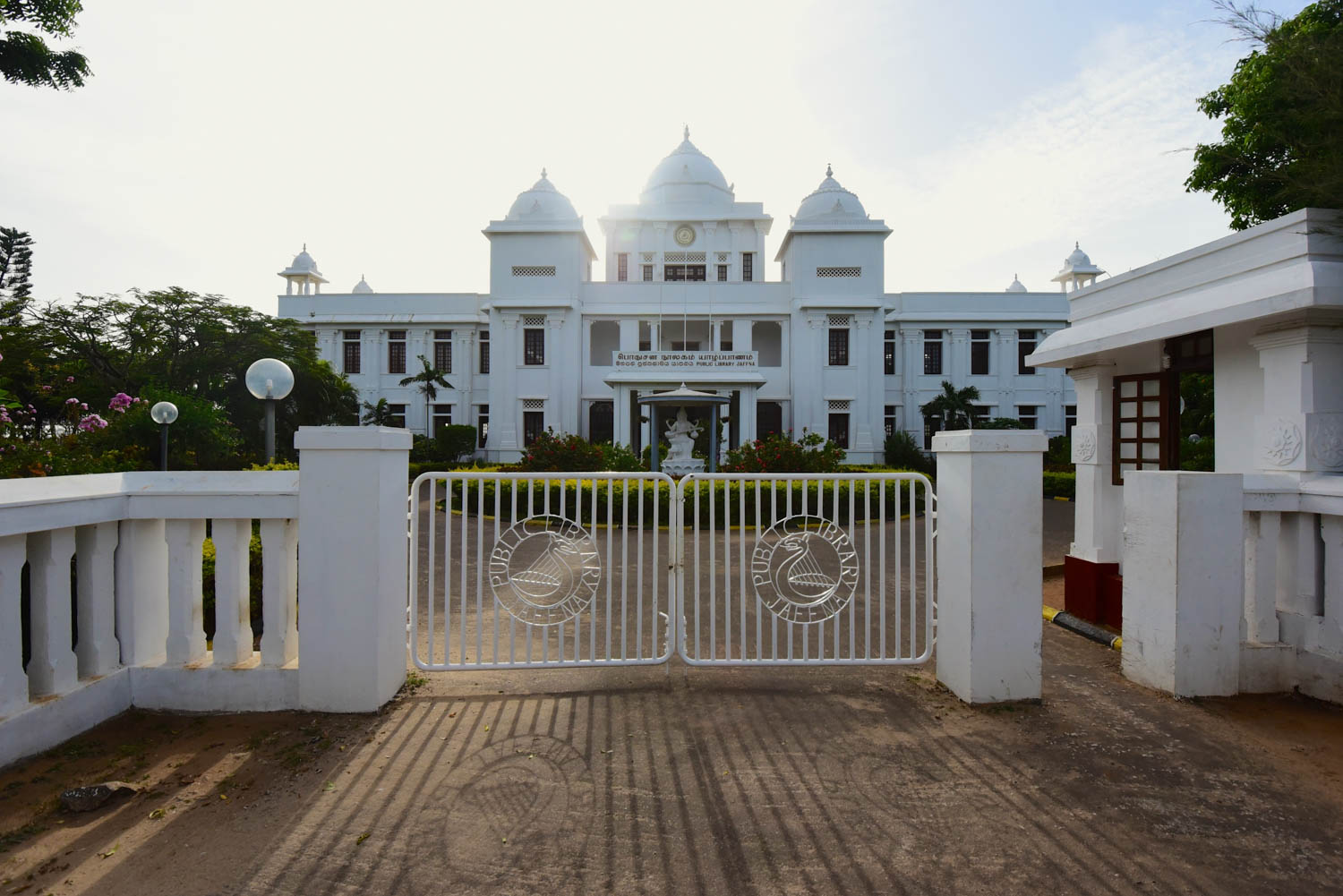
Restored in the early 2000s, the library now stands as a beacon of knowledge and reconciliation, welcoming visitors interested in the region’s history and heritage. Please note that only certain rooms are allowed for visitors, as access is restricted to preserve the library’s valuable collections.
🏝️ Delft Island (Neduntheevu)
About an hour by ferry from the mainland, Delft Island is a windswept coral and limestone island located 30 km off the coast of Jaffna, strategically positioned in the Palk Strait.
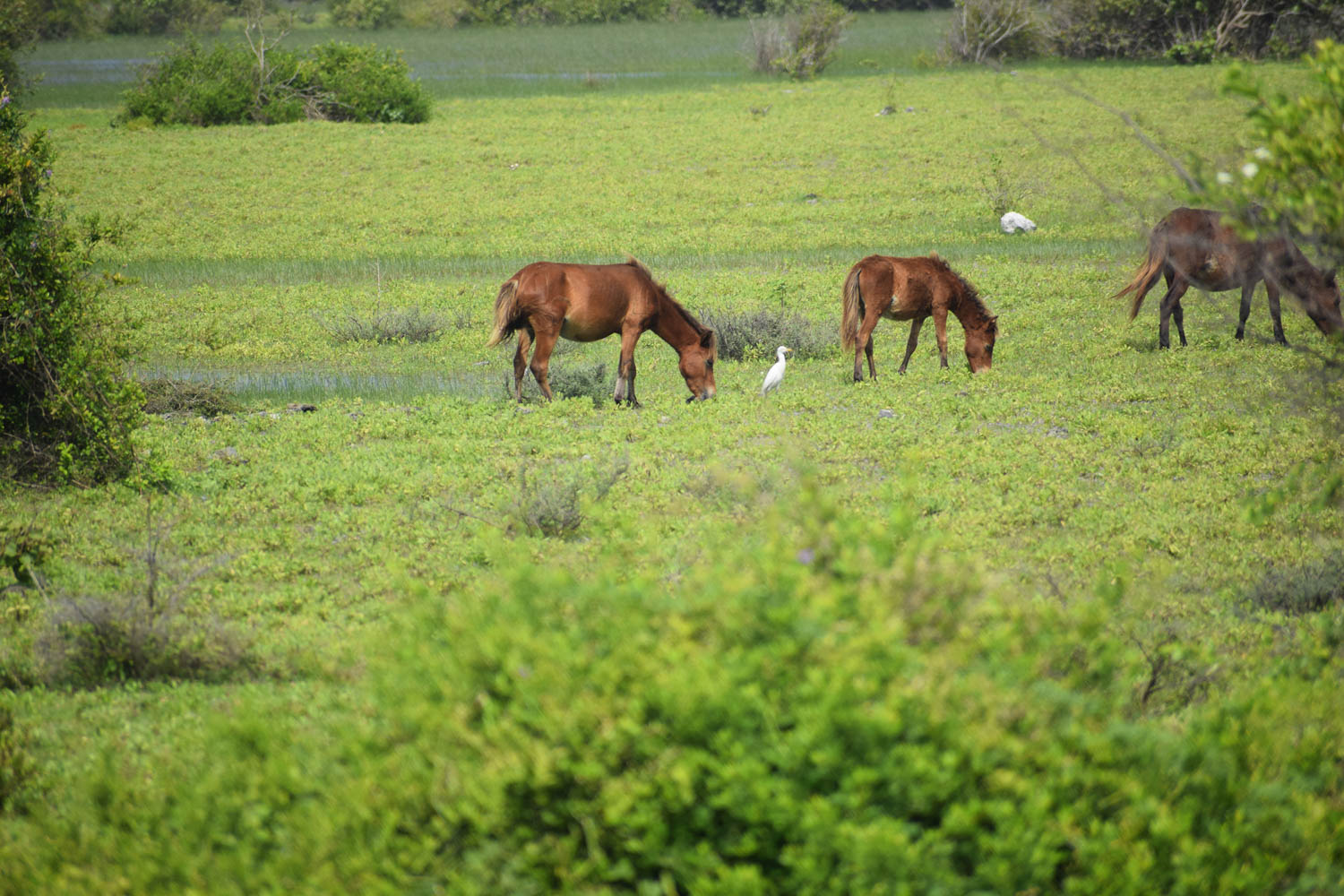
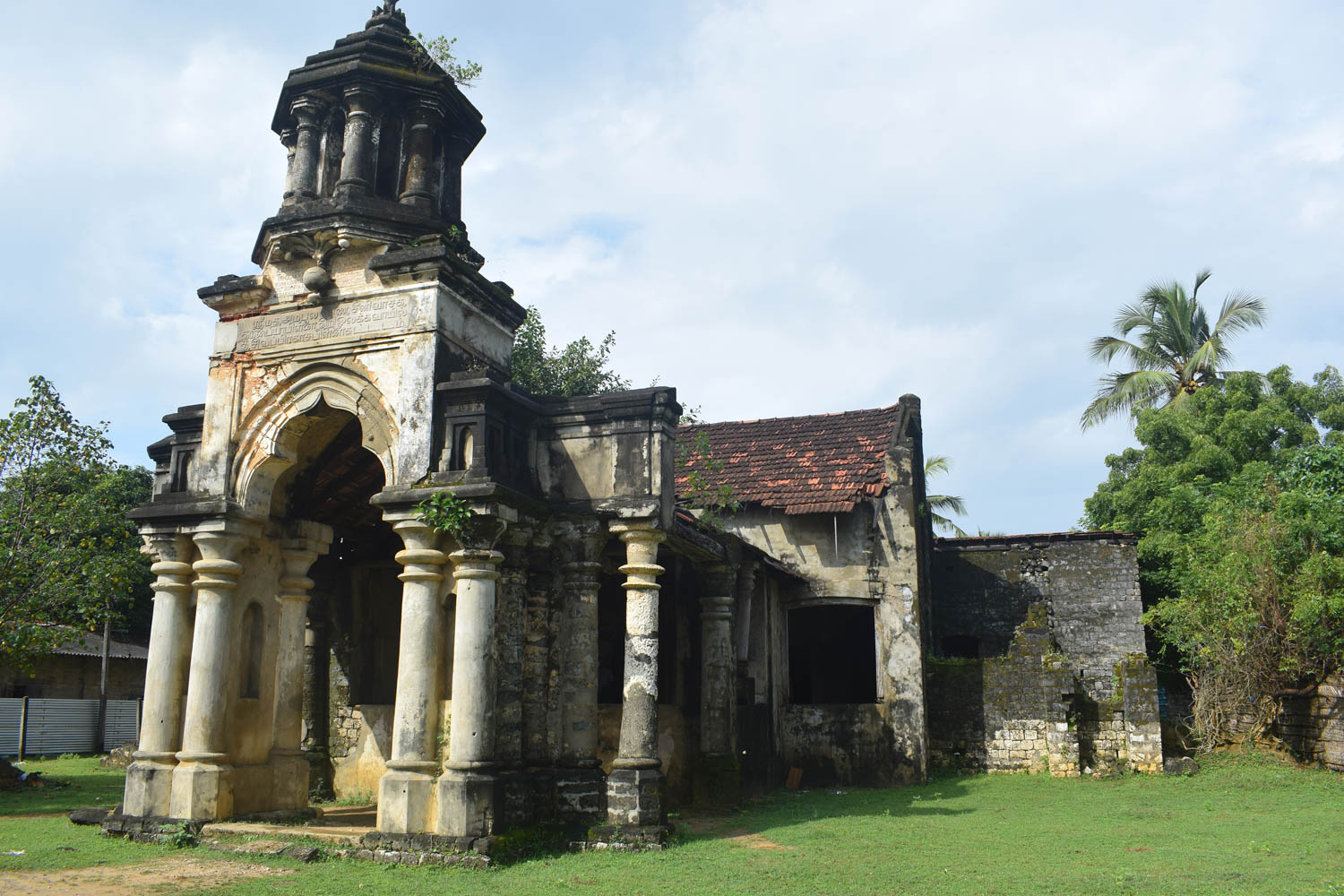
Known for its wild horses that roam freely, giant baobab trees, and the ruins and remains of colonial buildings—including the Dutch fort and its notable lighthouse—Delft offers a special blend of natural beauty and historical sites. Many of the island’s old buildings and houses date back to the colonial era, though some have been destroyed over time, leaving fascinating remains to explore. You’ll also find a statue commemorating a local leader, adding to the island’s cultural significance.
Visiting Delft Island for the first time is a memorable experience, especially as a day trip from Jaffna. Ferries leave from Kurikadduwan jetty in the morning, making it easy to plan your outing.
It’s best to pick a tuk-tuk or arrange a pick-up to explore the island’s scattered sites. The peaceful atmosphere is loved by many visitors, who are often seen enjoying the quiet beaches and scenery. Delft is worth a visit for its special combination of history, learning opportunities about local culture, and natural beauty.
👉 Morning ferries leave from Kurikadduwan jetty. Bring water and sunscreen as facilities are limited.
Nagadeepa Temple & Nainativu Island Ferry
Accessible by boat from Kurikadduwan pier, Nagadeepa (Nainativu Island) is a small island with profound religious significance and is perfect for a day trip from Jaffna. Ferries leave regularly from the jetty, making leaving for the island convenient and accessible. You can pick a tuk-tuk or arrange transport to the pier for a smooth journey.
Visiting the island for the first time is a memorable experience, especially as you approach the Nagadeepa Purana Vihara, a revered Buddhist temple believed to be one of the 16 places visited by Lord Buddha during his third visit to Sri Lanka. Only certain areas of the temple are allowed for visitors, so be mindful of access restrictions. There is also a statue commemorating a religious leader, adding to the site's cultural depth.
Nearby is the Nagapooshani Amman Temple, an important Hindu shrine, showcasing the region’s harmonious interfaith traditions. Many visitors have loved the unique blend of traditions and the peaceful atmosphere, often enjoying the tranquil surroundings. The site is worth visiting for its special religious and cultural significance, and we highly recommend visiting Nagadeepa for its spiritual value and unique heritage.
🌊 Casuarina Beach (Karainagar)
Located about 20 km from Jaffna town, Casuarina Beach is a tranquil spot lined with graceful casuarina trees. Locals love the peaceful environment here, and many visitors can be seen enjoying the calm, shallow waters and beautiful scenery. Its soft golden sands make it perfect for swimming, relaxing, and enjoying time with family. Casuarina Beach is worth visiting for its special atmosphere, and many visitors have loved their time here. Nearby, Kankesanthurai Beach (KKS Beach) offers clear turquoise waters and is cherished by locals for its peaceful environment and natural beauty.
💦 Keerimalai Springs
These natural mineral springs near the Keerimalai Naguleswaram Kovil, an ancient temple dating back centuries and dedicated to Lord Shiva, are famed for their healing powers. What makes the springs special is the unique blend of freshwater and seawater, believed to offer therapeutic benefits. Separate bathing areas are provided for men and women, allowing everyone to enjoy the experience comfortably.
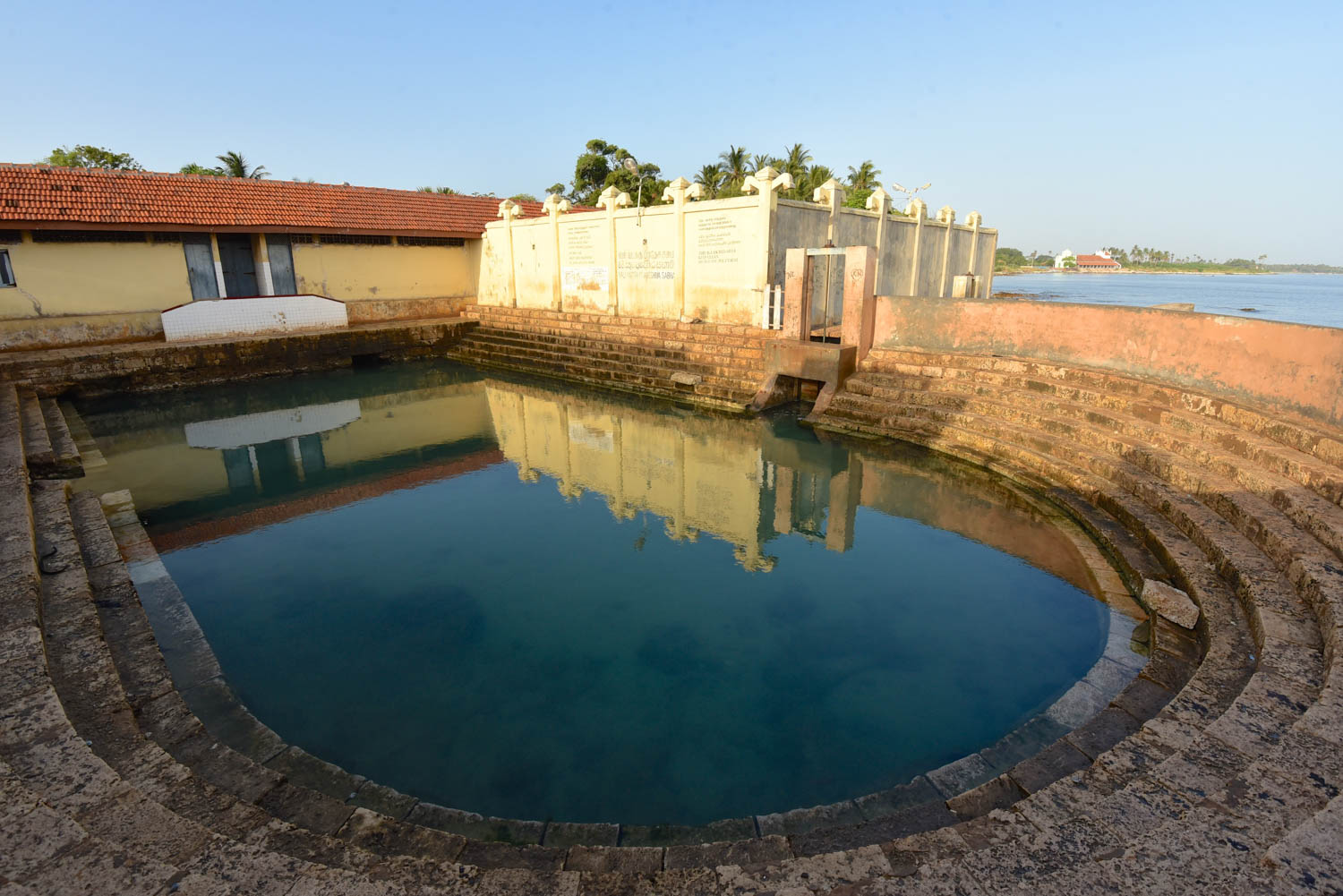
The site is worth visiting for its healing powers and the opportunity to enjoy bathing in such a tranquil, spiritual setting. Visitors are often seen enjoying the peaceful atmosphere and the spiritual and natural surroundings. We highly recommend visiting Keerimalai Springs for a unique and memorable experience, combining history, culture, and relaxation. The springs and temple together create a spiritually uplifting experience for visitors and devotees alike.
Day Trips from Jaffna
These destinations are ideal for a day trip from Jaffna. Ferries and buses leave from Jaffna to these sites, making it easy to plan your outing. You can pick a tuk-tuk or arrange transport using a ride-hailing app for added convenience.
Visiting for the first time is a memorable experience, and many travelers have loved these day trips for their special attractions and unique charm. Whether you are enjoying the wild horses on Delft Island, relaxing at Casuarina Beach, or exploring the ancient Naguleswaram Temple, you will find each spot worth your time. Visitors often mention enjoying the scenic views, local culture, and peaceful atmosphere.
We highly recommend visiting these destinations to make the most of your stay in Jaffna.
🚤 Delft Island – Wild horses and coral landscapes.
🏝️ Nagadeepa Island – Hindu and Buddhist heritage.
🌊 Casuarina Beach – Family-friendly swimming.
🌅 Point Pedro – Northernmost point of Sri Lanka.
🕍 Naguleswaram Temple – Ancient Saivaite temple near Keerimalai.
🌊 Kankesanthurai Beach (KKS Beach) – Soft sands and clear waters, a hidden gem in northern Sri Lanka.
Why come here
The reasons travellers book around this place.
Cultural Heritage & Local Life
Jaffna is the cultural capital of Sri Lankan Tamils, with deep-rooted Hindu traditions, Tamil language, classical music, and distinctive South Indian cuisine. The city has been the hub of Tamil and Hindu culture in Sri Lanka for centuries, shaping its unique identity and making it truly special compared to the rest of Sri Lanka. The city’s rhythm revolves around temple rituals, colorful festivals, and community gatherings. Among its spiritual landmarks is the Keerimalai Naguleswaram Kovil, a temple dedicated to Lord Shiva, located near the Keerimalai Pond.
The scars of the Sri Lankan civil war are fading, replaced by hope, creativity, and entrepreneurship. Local cafés, bookstores, and art spaces are breathing new life into the town, making it one of Sri Lanka’s most fascinating cultural revival stories. Walking through the Thirunelveli Market, open from 5 am to early afternoon, you can enjoy learning about local culture by engaging with vendors, observing the variety of goods such as fresh produce and artisanal items, and appreciating the authentic atmosphere. Many visitors have walked these lively aisles, connecting with local families and vendors.
👉 Pro Tip - We highly recommend visiting the local markets and cultural sites to experience Jaffna’s unique charm.
Accommodation in Jaffna is often found in family-run guesthouses or houses, offering a more personal and local experience than the hostel culture found on every corner in other parts of Asia. Some guesthouses even house top restaurants and rooftop bars, making them a destination in themselves.
Jaffna’s historical buildings, including colonial structures and the iconic library, reflect its rich heritage. Ongoing building and restoration work in the Old Town continues to preserve these important sites. The Jaffna Library stands as a symbol of education and the Tamil community’s dedication to learning and knowledge. Influential local leaders have also played a significant role in shaping the community and its cultural legacy.
Hiraz's take
Getting here
From Colombo airport (CMB), three good ways down the coast.
🚆 By Train: The famous Yal Devi Express leaves Colombo Fort for Jaffna daily (approx. 7 hrs). Comfortable and scenic, the Jaffna train passes through historical towns and countryside, connecting you to the rest of Sri Lanka.
🚗 By Car: 6–7 hrs via the A9 Highway, passing scenic countryside and towns. Alternatively, you can arrange a private transfer or pick a taxi for more flexibility.
🚌 By Bus: AC intercity services leave from Colombo and Kandy. Overnight buses are also available, taking about 7 hours. Some routes have hard wooden seats, so be prepared for a less comfortable ride.
Once you're there
How to move around once you have arrived.
Getting arounud Jaffna
The Jaffna bus station is the main hub for local and regional transport. For local travel, you can pick a tuk-tuk, use a ride-hailing app like PickMe, or catch a local bus.
Alternatively, consider hiring a private vehicle for the rest of your journey or when leaving Jaffna to explore nearby attractions.
Where to stay
Close in for the atmosphere, further out for the quiet.
Where to Stay in Jaffna
Luxury ($200+)
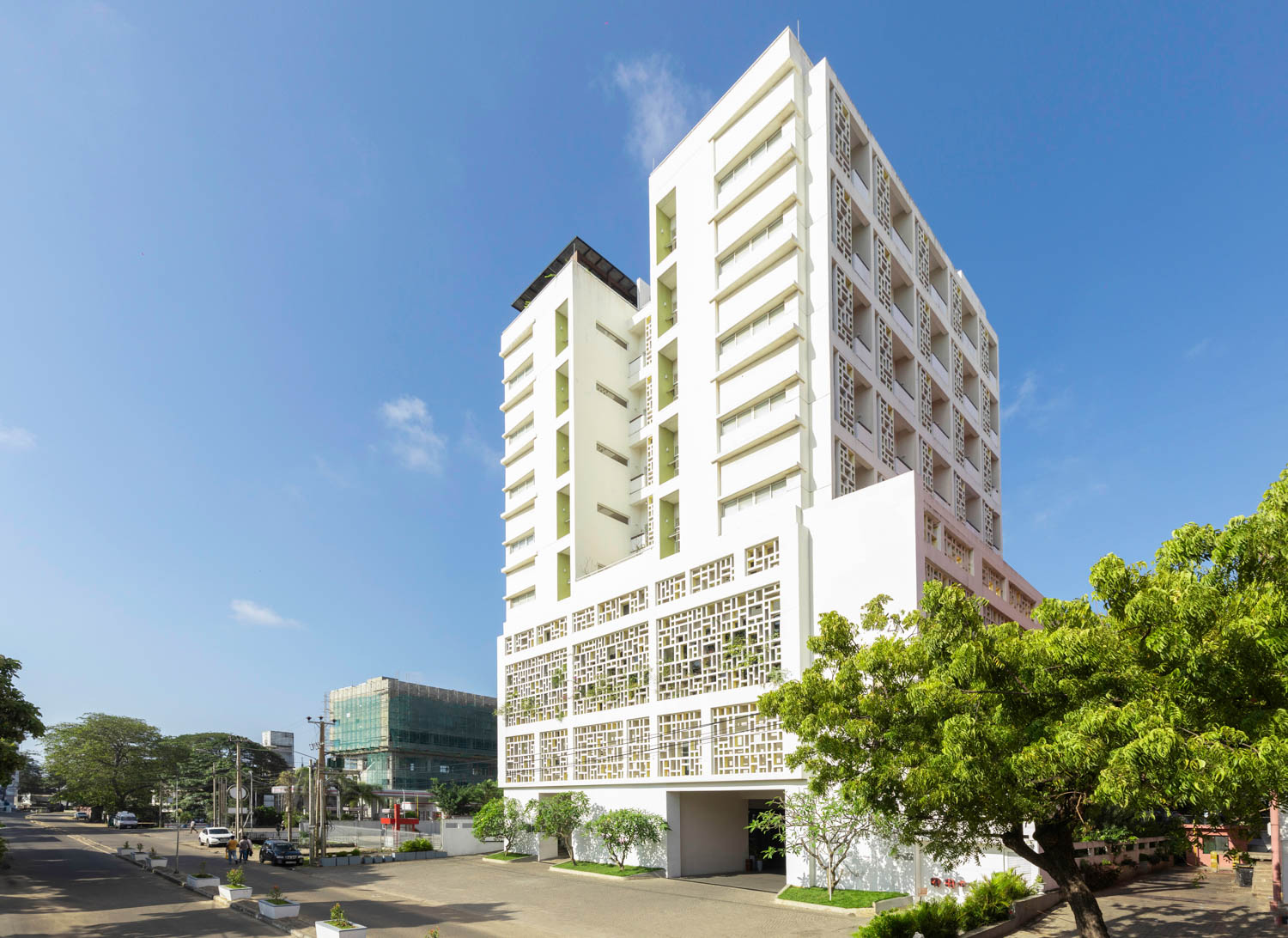
- Jetwing Jaffna – Modern 5-star comfort in the heart of the city, Jetwing Jaffna houses a top restaurant and a scenic rooftop bar. In addition, the hotel features new amenities that enhance the guest experience. The area is seeing ongoing construction and building of luxury hotels, reflecting Jaffna's growth as a tourism destination.
Explore Jetwing Jaffna
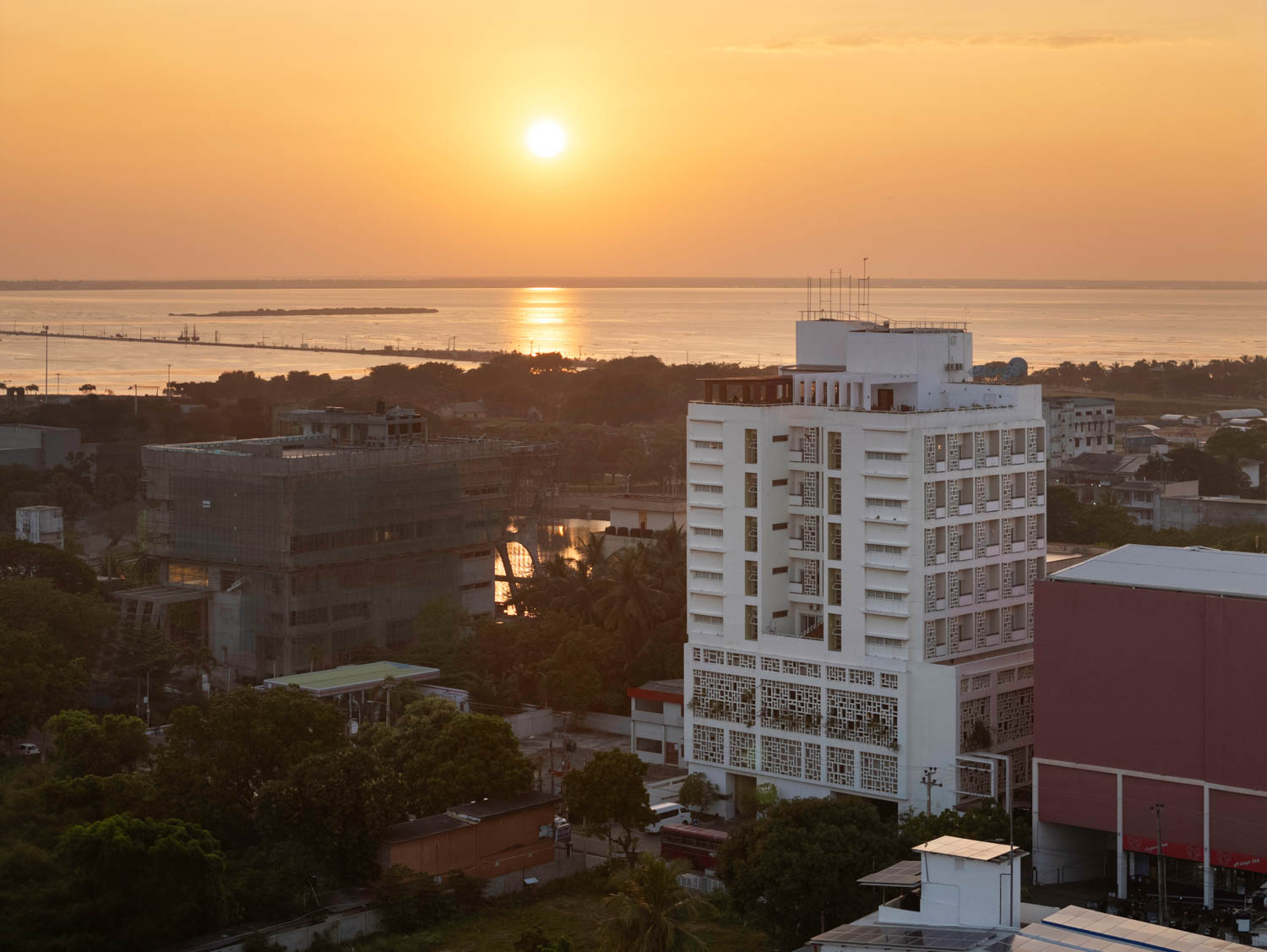
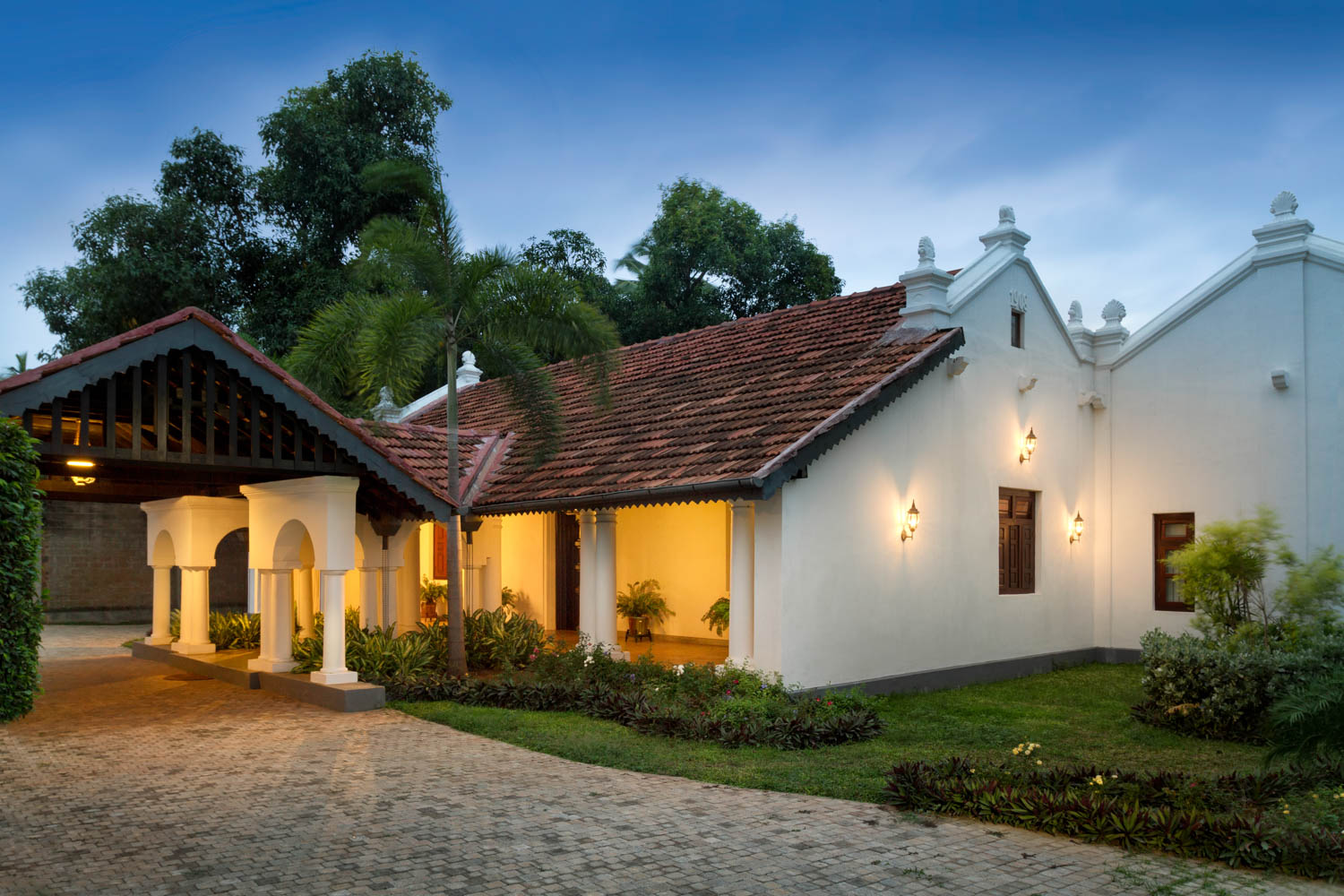
- Fox Resorts Jaffna – Boutique retreat set amidst a restored colonial property with heritage décor and gardens.
Explore Fox Resorts
Mid-Range ($80–150)
- North Gate by Jetwing – Stylish rooms, rooftop pool, and temple views. The hotel houses a popular restaurant and bar, with the recent addition of a rooftop lounge.
- Tilko City Hotel – Convenient for business and leisure travelers, this property is part of the ongoing building and construction boom in Jaffna’s mid-range hotel sector.
Budget ($40–70)
- Green Grass Hotel – This family-run house offers authentic meals and a welcoming atmosphere. Many budget accommodations in Jaffna are similar houses or guesthouses, providing a chance to experience local hospitality and culture.
- Jaffna Heritage Hotel – Traditional design and friendly service in a restored building. Recent construction in the budget sector has led to new guesthouses and hotels opening up, some with the addition of rooftop restaurants or scenic bars.
Hostels are not found on every corner in Jaffna; instead, most options are family-run houses or guesthouses. Some properties, like Jetwing Jaffna, even houses a top restaurant and rooftop bar, making them a comprehensive destination.
👉 Pro Tip: Stay near Jaffna town for temple visits, or Fox Resorts for a peaceful countryside experience.

Where to eat
Cafés, local kitchens, and a few worth the drive.
Food & Cuisine in Jaffna
Jaffna’s food is fiery, flavorful, and unforgettable — heavily influenced by South India and Tamil Nadu culinary traditions, blended with local ingredients and colonial influences. The cuisine is significantly different from the Sinhala south, featuring spicy curries and unique dishes that are truly special to the region.
Must-Try Dishes:
- Jaffna Crab Curry – Rich, spicy, and world-renowned; a special dish that is definitely worth trying.
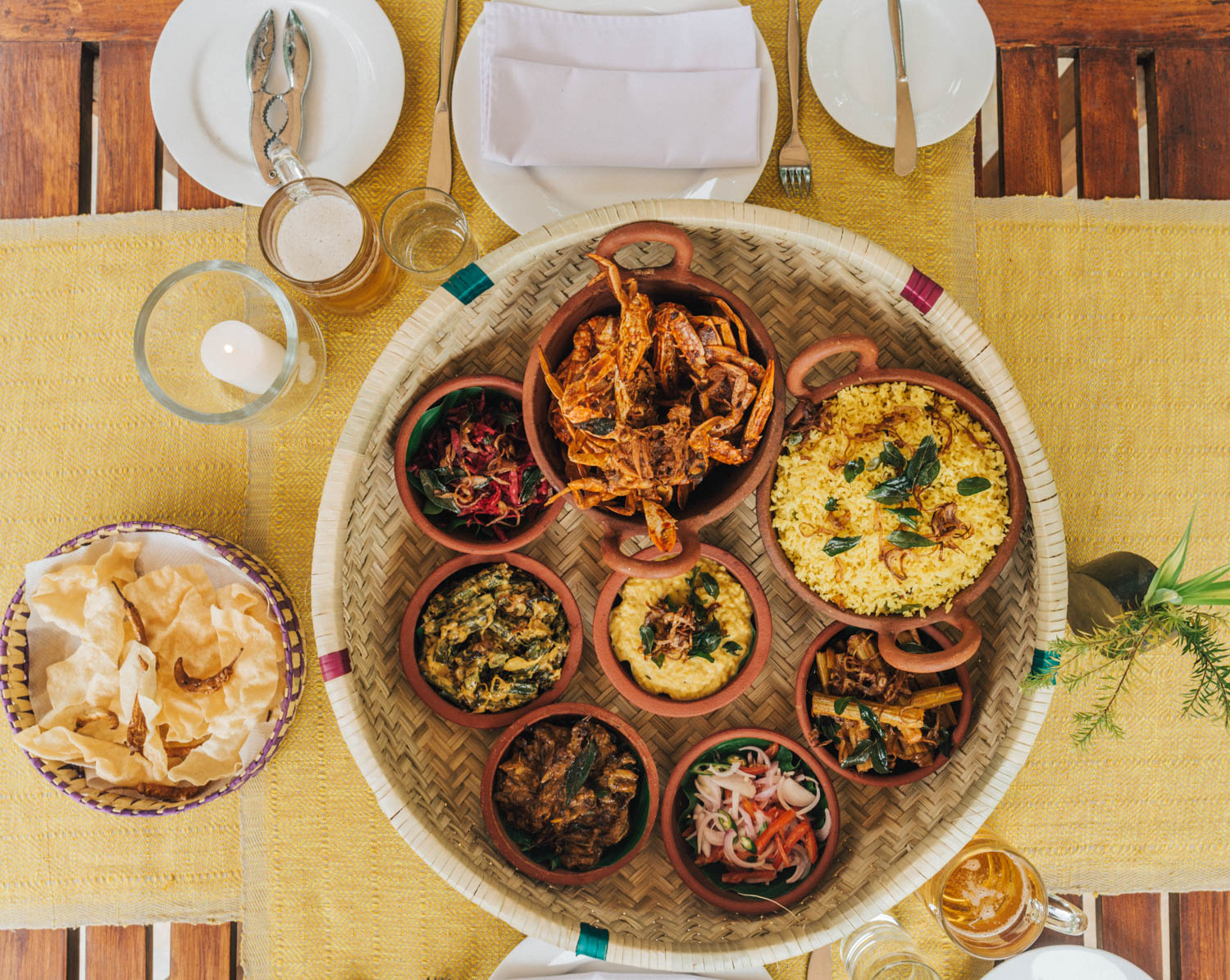
- Idiyappam & Mutton Curry – String hoppers served with thick, aromatic meat curry, perfect for enjoying a traditional meal.
.jpg)
- Dosai & Sambal – South Indian-style breakfast staples, and enjoying these fresh is a must.
- Palmyra Toddy & Jaggery Sweets – Local specialties made from the palmyra palm, offering a special taste of Jaffna.
Jaffna also offers traditional dishes such as heavier curries, biryani, dosas, and parathas, reflecting the region’s culinary diversity. The Malayan Café is well-known for its rice and curry served on a banana leaf, providing a quintessential local dining experience that is worth enjoying for its authenticity.
Popular Restaurants:
- Mangos Indian Veg Restaurant – Authentic dosas and curries, widely considered Jaffna’s best and most famous restaurant. Many visitors say the food here is so good that it’s worth a special trip, and you’ll truly enjoy the flavors.
- Malayan Café – Local favorite for vegetarian Tamil cuisine, where you can enjoy a good meal in a traditional setting.
- Rio Ice Cream – Iconic family-run parlor since the 1960s, famous for its colorful sundaes and vibrant atmosphere, making it a special spot for enjoying dessert.
- Jetwing Jaffna Rooftop Restaurant – Modern Sri Lankan dining with city views, a good place to relax while enjoying some of the best food in Jaffna.
Food & Cuisine in Jaffna
Jaffna’s food is fiery, flavorful, and unforgettable — heavily influenced by South India and Tamil Nadu culinary traditions, blended with local ingredients and colonial influences. The cuisine is significantly different from the Sinhala south, featuring spicy curries and unique dishes that are truly special to the region.
Must-Try Dishes:
- Jaffna Crab Curry – Rich, spicy, and world-renowned; a special dish that is definitely worth trying.
- Idiyappam & Mutton Curry – String hoppers served with thick, aromatic meat curry, perfect for enjoying a traditional meal.
- Dosai & Sambal – South Indian-style breakfast staples, and enjoying these fresh is a must.
- Palmyra Toddy & Jaggery Sweets – Local specialties made from the palmyra palm, offering a special taste of Jaffna.
Jaffna also offers traditional dishes such as heavier curries, biryani, dosas, and parathas, reflecting the region’s culinary diversity. The Malayan Café is well-known for its rice and curry served on a banana leaf, providing a quintessential local dining experience that is worth enjoying for its authenticity.
Popular Restaurants:
- Mangos Indian Veg Restaurant – Authentic dosas and curries, widely considered Jaffna’s best and most famous restaurant. Many visitors say the food here is so good that it’s worth a special trip, and you’ll truly enjoy the flavors.
- Malayan Café – Local favorite for vegetarian Tamil cuisine, where you can enjoy a good meal in a traditional setting.
- Rio Ice Cream – Iconic family-run parlor since the 1960s, famous for its colorful sundaes and vibrant atmosphere, making it a special spot for enjoying dessert.
- Jetwing Jaffna Rooftop Restaurant – Modern Sri Lankan dining with city views, a good place to relax while enjoying some of the best food in Jaffna.
When to go
The dry, bright window and the months to sit out.
The ideal time to visit Jaffna is during the dry season, which runs from May to September. Visiting during these months is worth considering, as the weather is hot and dry, making it perfect for sightseeing and exploring the nearby islands such as Delft.
If you prefer fewer tourists and lush green landscapes, the monsoon season from October to January brings moderate rainfall and a quieter atmosphere, which some travelers find worth experiencing for its unique charm.
For those interested in cultural experiences, visiting during the festival season in July and August is highly recommended. This period coincides with the vibrant Nallur Festival, a colorful and lively celebration that showcases the rich traditions of Jaffna.
January to March also offers pleasant and dry conditions, ideal for outdoor exploration and sightseeing.
To learn more about the best time to visit Jaffna, consider reading our detailed guide on seasonal travel tips. If you enjoyed reading this section, you may also want to read our related articles for further information on planning your trip.
✨ Read our our month-by-month travel insights on best time to visit Sri Lanka for a a perfect getaway!
What it costs
Rough, honest per-person guides — we price the real thing to your dates.
Travel tips
The small things that make the difference here.
Practical Tips visiting Jaffna
- Respect local customs, especially when visiting temples and religious sites. Dress modestly, remove shoes where required, and remember that men are often allowed entry only after removing their shirts as a sign of respect.
- Pick a tuk-tuk or arrange transport in advance for sightseeing, or use ride-hailing apps for convenient pickups and drop-offs.
- Engage with local families and vendors at markets like Thirunelveli for authentic experiences, learning about the culture and history while browsing a variety of goods such as fresh produce and artisanal items.
- Carry cash; many small vendors do not accept cards.
- Take time to enjoy exploring Jaffna, enjoying the vibrant local atmosphere and scenic sites.
- Stay hydrated and use sunscreen, especially when exploring outdoor sites and beaches.
- Save some energy and time for the rest of your journey, as Jaffna connects you to the rest of Sri Lanka.
- Look out for special local tips from residents—they often know the best spots and unique experiences.
Practical Tips visiting Jaffna
- Respect local customs, especially when visiting temples and religious sites. Dress modestly, remove shoes where required, and remember that men are often allowed entry only after removing their shirts as a sign of respect.
- Pick a tuk-tuk or arrange transport in advance for sightseeing, or use ride-hailing apps for convenient pickups and drop-offs.
- Engage with local families and vendors at markets like Thirunelveli for authentic experiences, learning about the culture and history while browsing a variety of goods such as fresh produce and artisanal items.
- Carry cash; many small vendors do not accept cards.
- Take time to enjoy exploring Jaffna, enjoying the vibrant local atmosphere and scenic sites.
- Stay hydrated and use sunscreen, especially when exploring outdoor sites and beaches.
- Save some energy and time for the rest of your journey, as Jaffna connects you to the rest of Sri Lanka.
- Look out for special local tips from residents—they often know the best spots and unique experiences.
In frames
A gallery of the destination.
Common questions
Everything worth knowing before you go.
What is Jaffna known for?
Jaffna is famous for its Hindu temples, Tamil culture, Jaffna Peninsula heritage, Delft Island, and spicy seafood cuisine. Many recommend visiting for the special atmosphere and unique history. You can enjoy exploring ancient temples, some of which date back centuries, and enjoy the local culture.
Is Jaffna safe for tourists?
Yes, Jaffna is very safe today. The city is peaceful, welcoming, and open to visitors. You will enjoy the local hospitality and can rest assured that most areas are safe to explore.
How many days do I need in Jaffna?
3–4 days are ideal to explore the city, temples, and nearby islands. This gives you enough time to enjoy the main attractions and the rest of the region at a relaxed pace.
Can I visit Delft Island?
Yes, daily ferries leave from Kurikadduwan jetty. Book early and travel in the morning. It is worth visiting for the wild horses and unique landscape. If you pick a tuk-tuk or arrange transport, you can reach the jetty easily.
What language is spoken in Jaffna?
Tamil is the main language, with English and Sinhala widely understood. The Tamil spoken here is distinct from the Sinhala language prevalent in the rest of Sri Lanka.
What is the best time to visit Jaffna?
The best time to visit is between January and March or May to September, when the weather is dry and pleasant.
How can I get to Jaffna from Colombo?
You can reach Jaffna from Colombo by train, bus, or car. The Yal Devi train is a popular and scenic option, taking approximately 7-8 hours from Colombo Fort to Jaffna. Buses also leave from Colombo, but be prepared for hard wooden seats on some routes.
Sources and checked
Make it yours.
Tell us what pulls at you and we'll thread this journey into one private itinerary — sent back on a live link within 24 hours.