Galle
Written by the Sithiyam Travel team in Colombo
Discover Galle in Sri Lanka – a UNESCO heritage city with Dutch fort architecture, boutique hotels, beaches, and top restaurants.
-2.jpeg) Sri Lanka
Sri LankaOverview
What makes this place worth the journey.
Galle is one of the most enchanting destinations in Sri Lanka — a city where the Indian Ocean laps against centuries-old ramparts, and narrow cobblestone lanes are filled with colonial architecture, art galleries, cafés, and boutiques. This unique blend of European and South Asian influences makes Galle a living museum and a vibrant cultural hub. The landscape of Galle Fort is especially striking, where European and South Asian architectural styles merge seamlessly with the natural environment, creating a setting that is both scenic and historically significant.
Located on the southwest coast, Galle’s Dutch Fort is a UNESCO World Heritage Site, originally established by the Portuguese in the 16th century and later fortified by the Dutch in the 17th century. The Dutch completed the fort’s current layout in 1663, covering 52 hectares and featuring walls over 3 kilometers long with strategic bastions. Galle reached its peak development as a major port and trading hub during this period, playing a critical role in the spice trade that connected Asia to the rest of the world. After the Dutch, the British colonial period also left a significant mark on Galle, influencing its architecture and adding another layer to the city’s rich heritage.
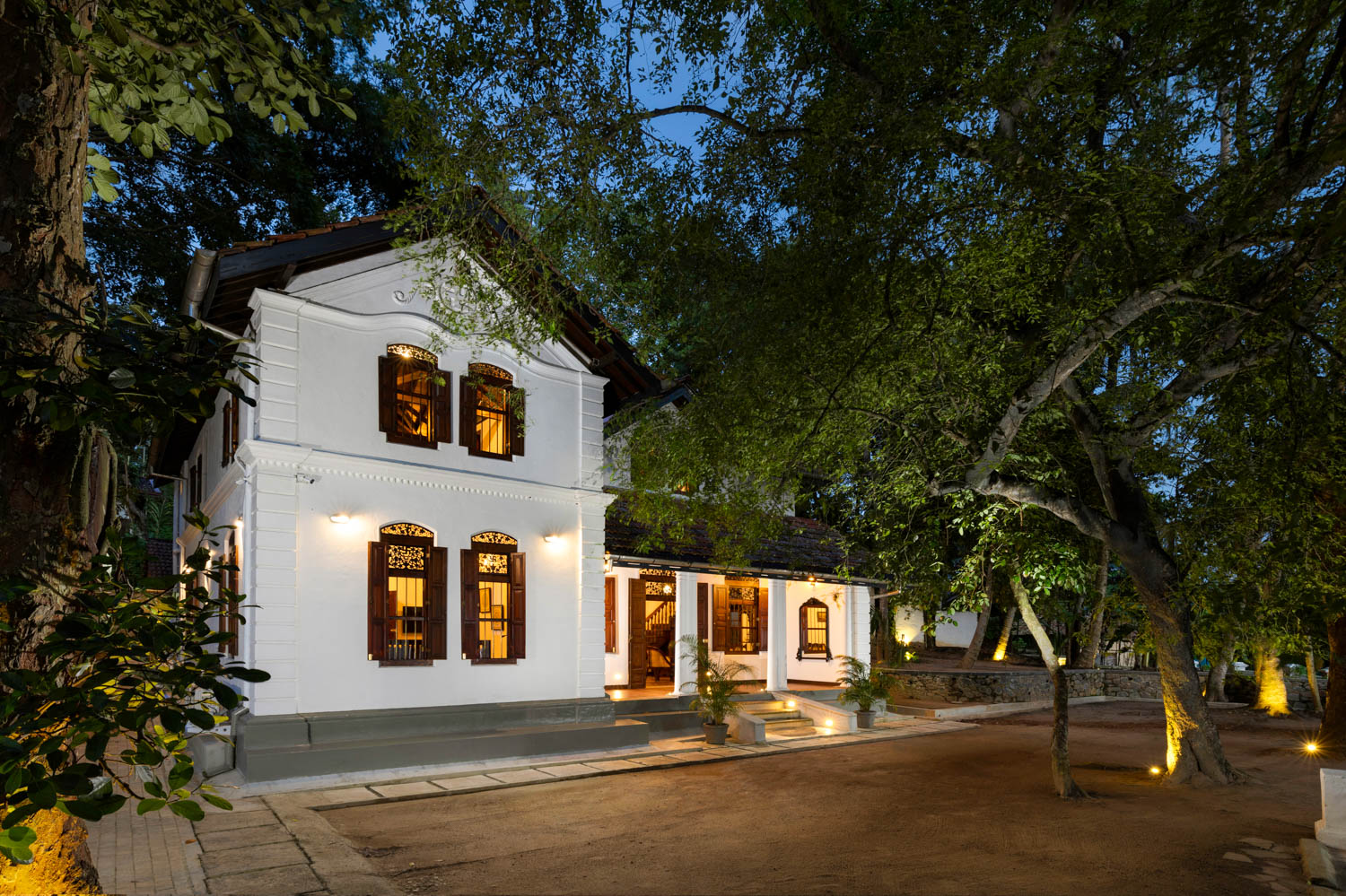
Inside the fort, time seems to slow down — with old churches, museums, and boutique hotels occupying restored colonial mansions. The fort features a mix of colonial, Islamic, and local architectural styles, showcasing the region’s diverse cultural heritage. The fort is characterized by its cobblestoned streets, boutique shops, and vibrant atmosphere, attracting numerous visitors. Interactions with locals, including members of the Department of Archaeology who oversee preservation efforts, can reveal fascinating stories about Galle’s history and cultural significance.
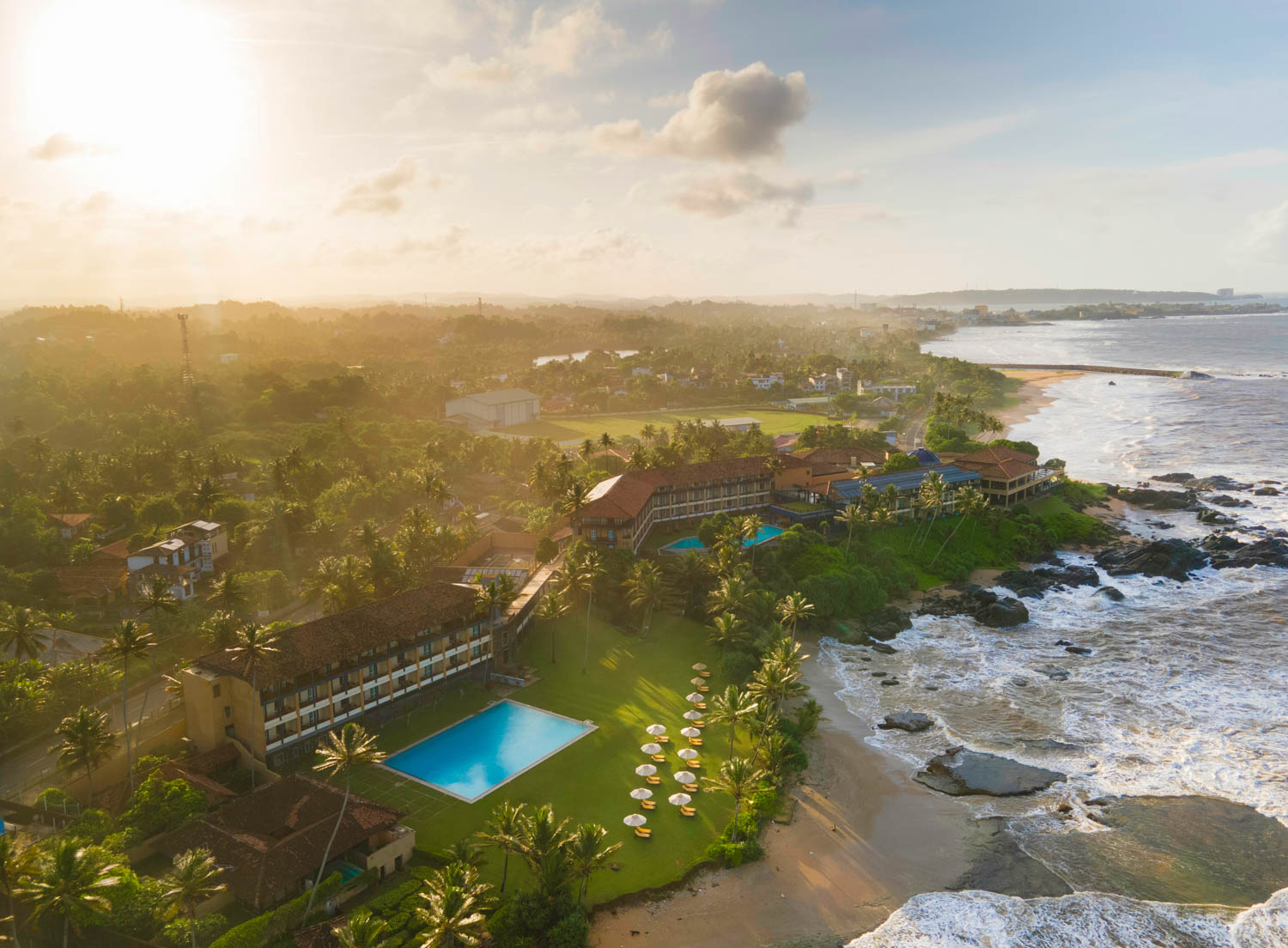
Beyond the walls, Galle’s coastline is lined with golden beaches, luxury resorts with swimming pools, and nearby surf towns like Unawatuna, Dalawella, and Weligama. The beaches near Galle are the busiest stretch of beach in Sri Lanka, running parallel to the main east-west highway.
It’s the perfect base for travellers seeking a blend of culture, history, and seaside relaxation. The local fruit, spice, and flower markets near Galle Fort are excellent places to experience authentic Sri Lankan culture and local produce, offering a taste of Sri Lanka's rich heritage and renowned cuisine.
How many nights, and where it fits
Counted off the routes we actually sell, not guessed.
Is it worth basing here?
Some towns are a lunch stop, not a base. We say which.
Galle in Sri Lanka is where heritage meets horizon — a place where cobblestone streets echo with centuries of stories and the sea whispers just beyond the walls.
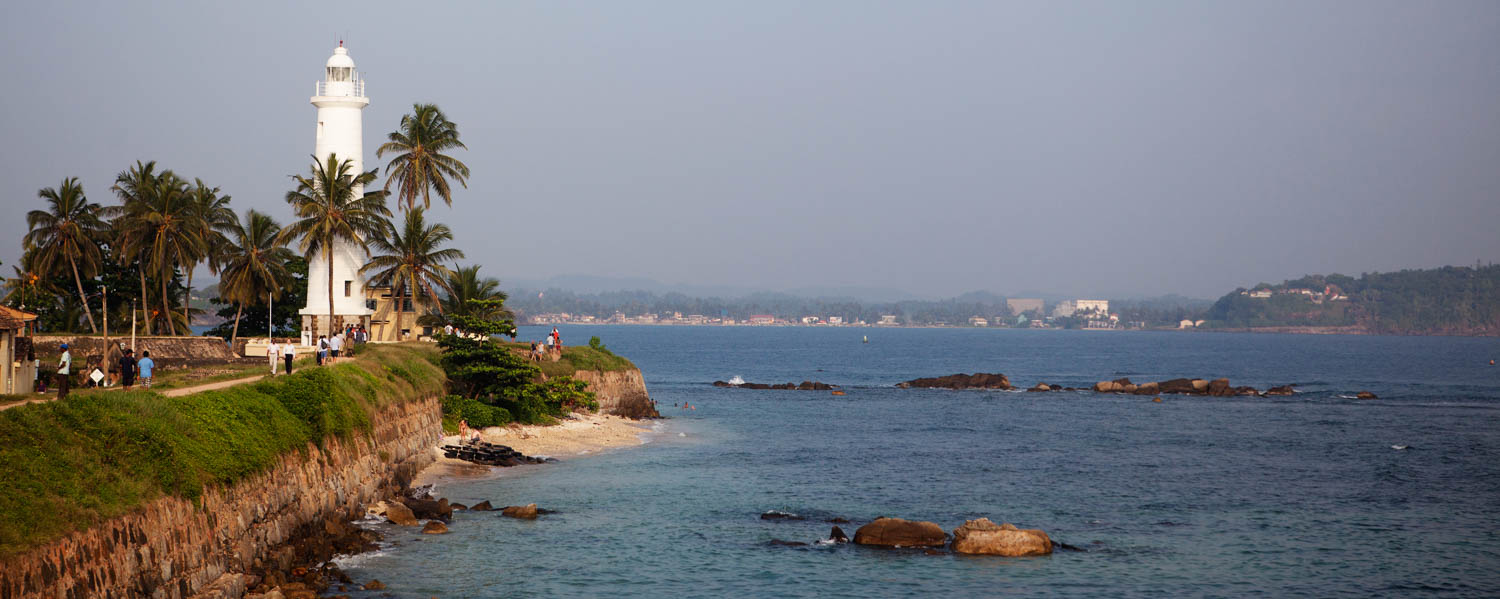
Galle has a rich history as a major trading hub for centuries due to its strategic location along ancient shipping routes. Galle is home to several ancient mosques, churches, and colonial-era buildings that depict its multicultural history.
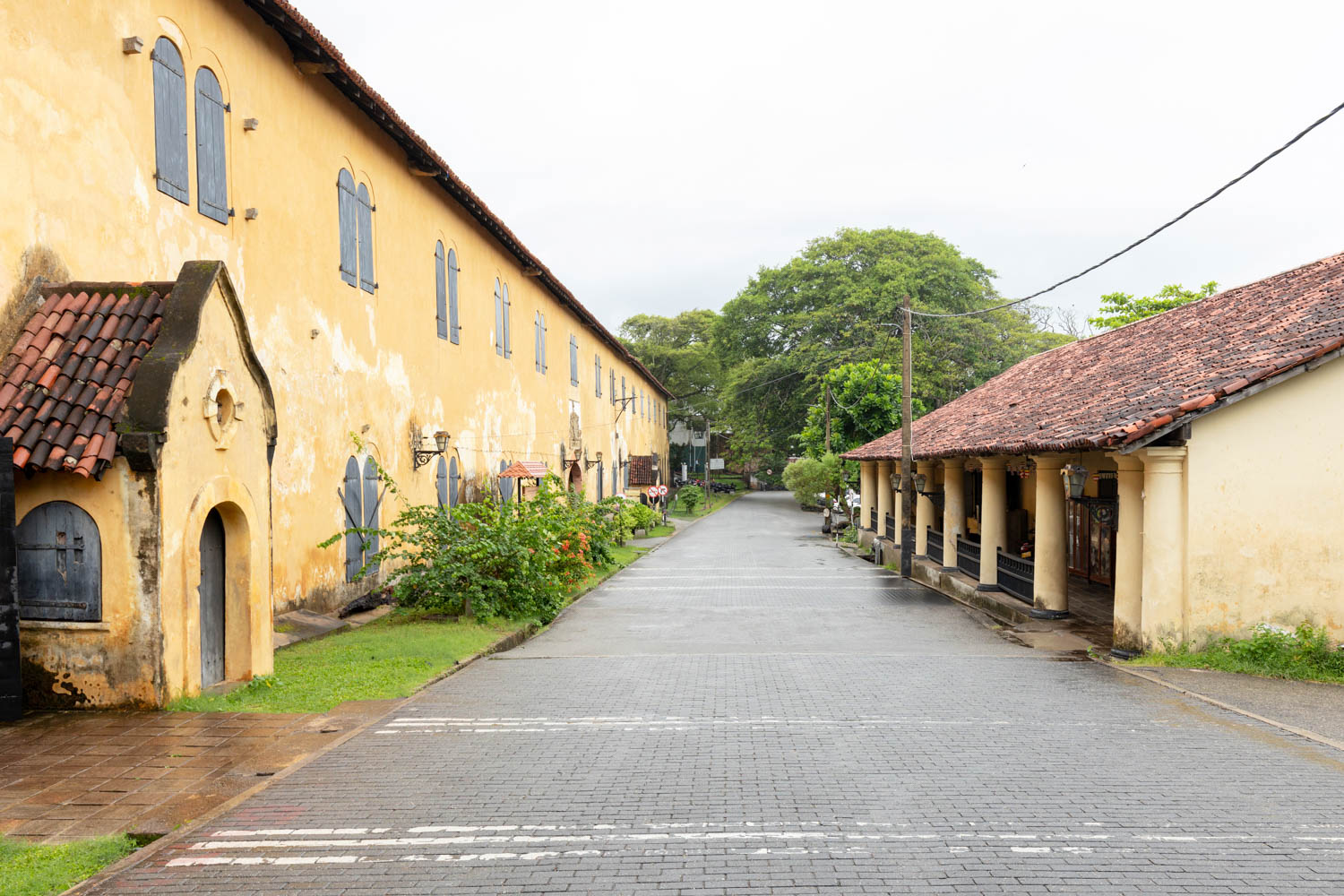
Galle Fort showcases distinctive streetscapes with houses featuring narrow sides facing the streets and high overhanging roofs supported by slender columns.
From colonial ramparts to designer boutiques, from sunset strolls to gourmet dining, Galle seamlessly blends history with modern sophistication. Whether you’re here for romance, relaxation, or exploration, this southern gem promises an unforgettable journey.
Plan your Galle getaway with Sithiyam — and discover why it remains one of Sri Lanka’s most timeless destinations.
What to do
The place itself, then everything around it opens up.
.jpeg)

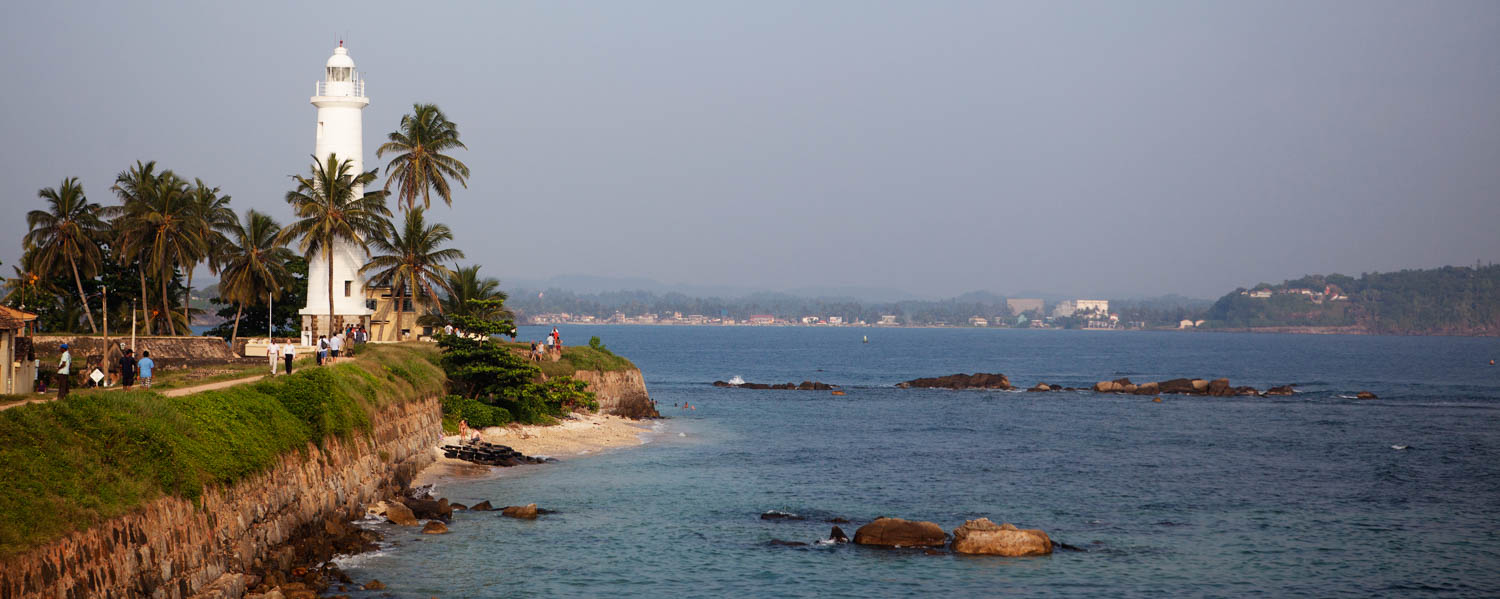
- Walk the Ramparts at Sunset – The fort’s walls offer panoramic ocean views and perfect lighting for photography.

- Café Hop Inside the Fort – Explore coffee spots and ice cream parlors like Poonie’s Kitchen, Dumplings Café, and Pedlar’s Inn.
- Shopping Local Boutiques – Galle is a shopping hotspot, with boutiques, art galleries, and specialty stores along Pedlar Street and within Galle Fort. Browse for handcrafted jewelry, batik clothing, and sustainable souvenirs in the narrow streets.
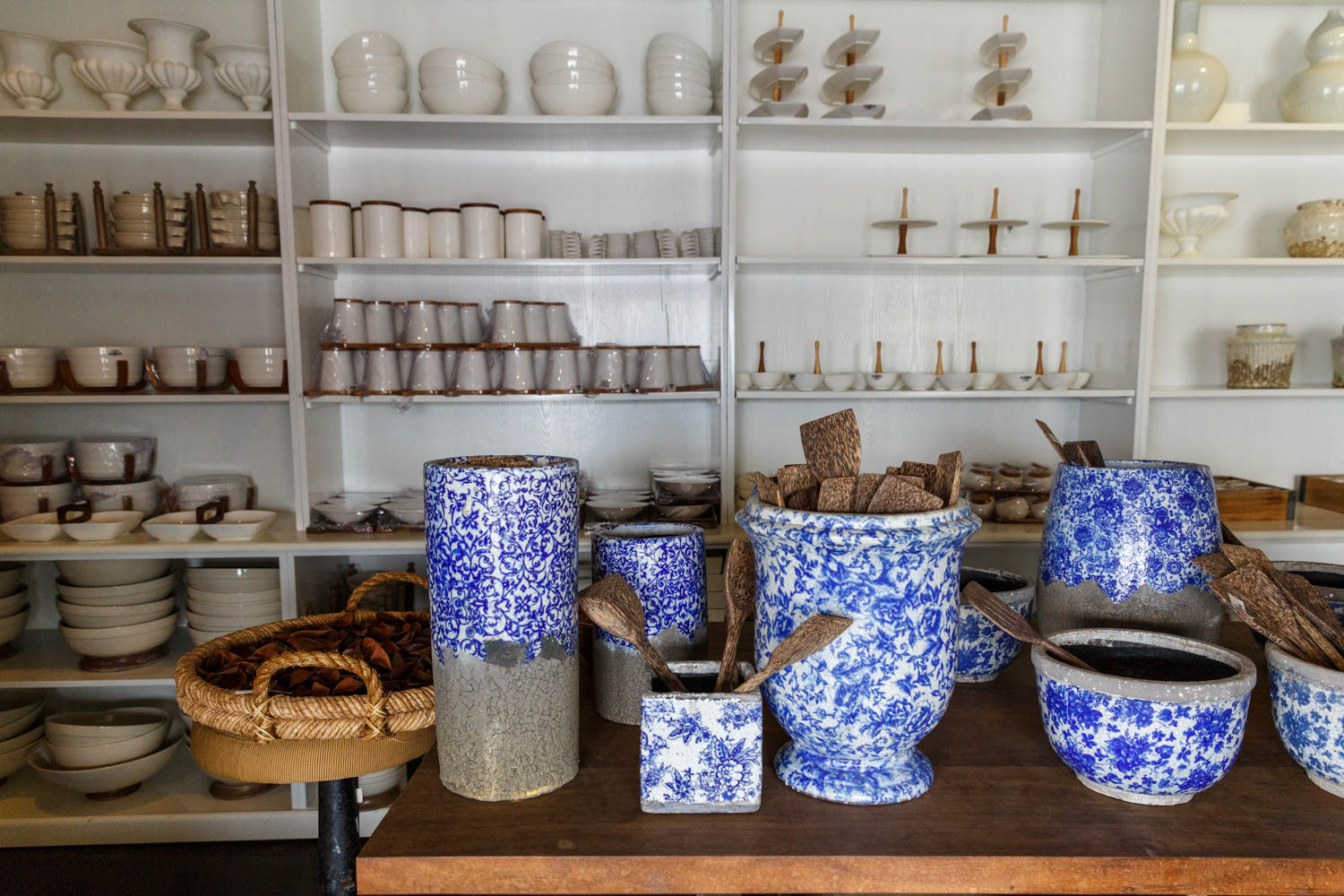
- Visit Art Galleries – Stop by Barefoot Gallery or Exotic Roots for Sri Lankan art and design.
- Explore Galle by Bicycle – Rent a bike and ride through the old town and the nearby coast.
- Enjoy Lunch on a Guided Tour – Many guided city tours in Galle include lunch, offering a chance to savor authentic Sri Lankan cuisine during your sightseeing or cultural outings.
- Visit Historical Churches & Mosques – Experience the blend of European and South Asian culture.
- Beach Day Trips – Unawatuna, Jungle Beach, and Dalawella are just minutes away.
- Join a Cooking Class – Learn to cook authentic Sri Lankan dishes using local spices and fresh ingredients from the markets.
Beaches Near Galle
Unawatuna Beach (5 km)
One of Sri Lanka’s most popular beaches — perfect for swimming, diving, and beach bars. Its main beach is horseshoe-shaped, making it ideal for swimming. Calm waters make it ideal for families. Swimming is also possible in the sheltered lagoons of Unawatuna and Wijaya, making them particularly family-friendly. Unawatuna is home to many beachside bars and restaurants offering local and international cuisine. Visitors can relax on sunbeds, enjoy a cocktail, or simply unwind after exploring the local sights. The beaches of Unawatuna and Wijaya are accessible by a 15 to 20 minutes drive from Galle.

Dalawella Beach (6 km)
Home to the famous Palm Swing, this beach is ideal for Instagram-worthy photos and turtle spotting. Dalawella beach is located just south of Galle and Unawatuna and features a famous rope swing, which has gained popularity among travelers for its Instagram appeal. Nearby Mihiripenna beach features a beach swing over a natural lagoon.
Jungle Beach
Hidden between cliffs and accessible via a short hike, this secluded cove is great for snorkeling and quiet swims.
Hikkaduwa Beach (20 km north)
A lively beach with coral reefs, surf schools, and nightlife. Hikkaduwa beach is home to a more expansive beach and popular surf breaks, located 35 minutes north of Galle.
Nightlife in Galle
Galle’s nightlife is refined and laid-back, centering around cocktails, jazz, and starlit dining.
- The Living Room by TPV: Creative cocktails and chic ambiance.
- Tonic Bar at Fort Bazaar: Craft drinks and good music.
- A Minute by Tuk Tuk: Oceanfront drinks with a lively vibe.
For more buzz, Unawatuna and Hikkaduwa offer beach parties and late-night beach bars just a short tuk-tuk ride away.
Day Trips from Galle
🌊 Mirissa (45 min): Whale watching and Coconut Tree Hill.

🐢 Kosgoda Turtle Hatchery (1 hr): Turtle conservation projects.
🌴 Weligama & Ahangama (40 min): Surf towns with boutique cafés.
🏞️ Sinharaja Rainforest (2 hrs): UNESCO biosphere reserve and nature trails.
🍃 Hikkaduwa (30 min): Coral reefs and lively nightlife.
Why come here
The reasons travellers book around this place.
The Galle Fort — locally called “Rampart Town” — is a living museum surrounded by ocean on three sides. Walking along the ramparts at sunset is one of the most memorable experiences in Sri Lanka.
The ramparts provide stunning views of the Indian Ocean and are popular with locals and tourists for sunset viewing. Galle Fort has been visited by countless travelers over the years, each drawn to its unique blend of history and atmosphere.
The fort was significantly damaged during the 2004 tsunami but has since been restored and has become a popular tourist destination.
Many historical buildings within the fort have been preserved and transformed into shops, restaurants, and luxury hotels, contributing to its charm and accessibility.
1. Galle Lighthouse
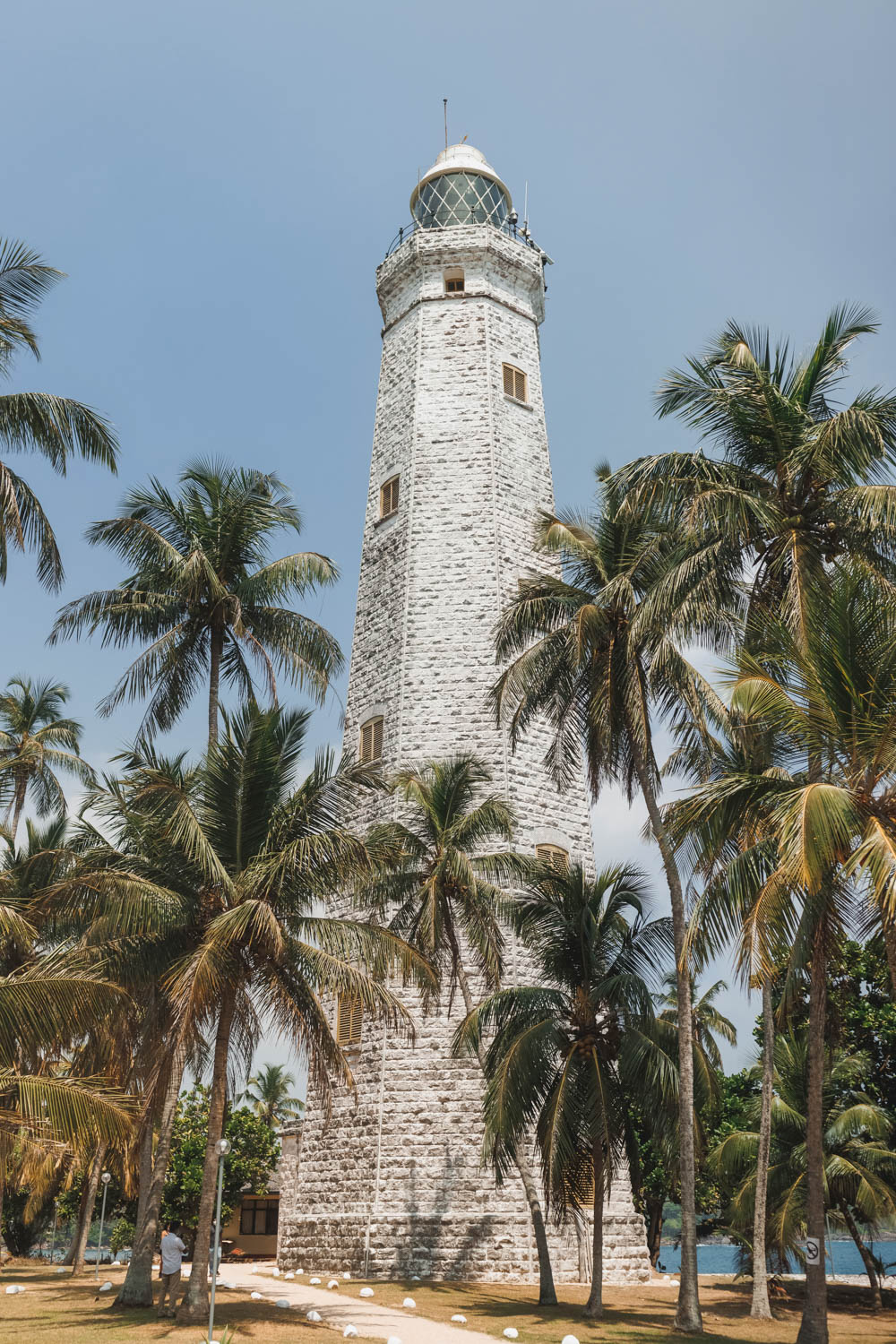
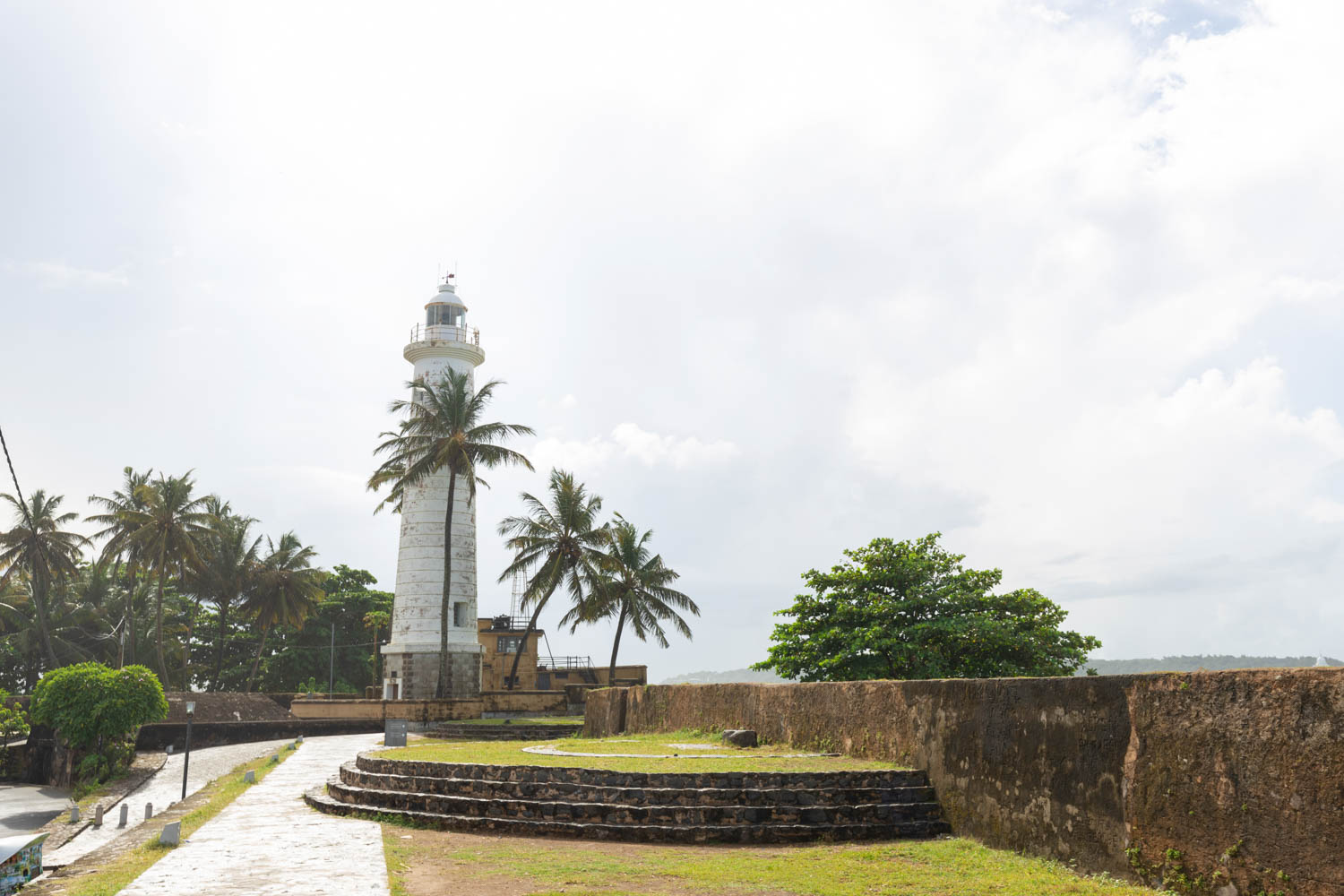
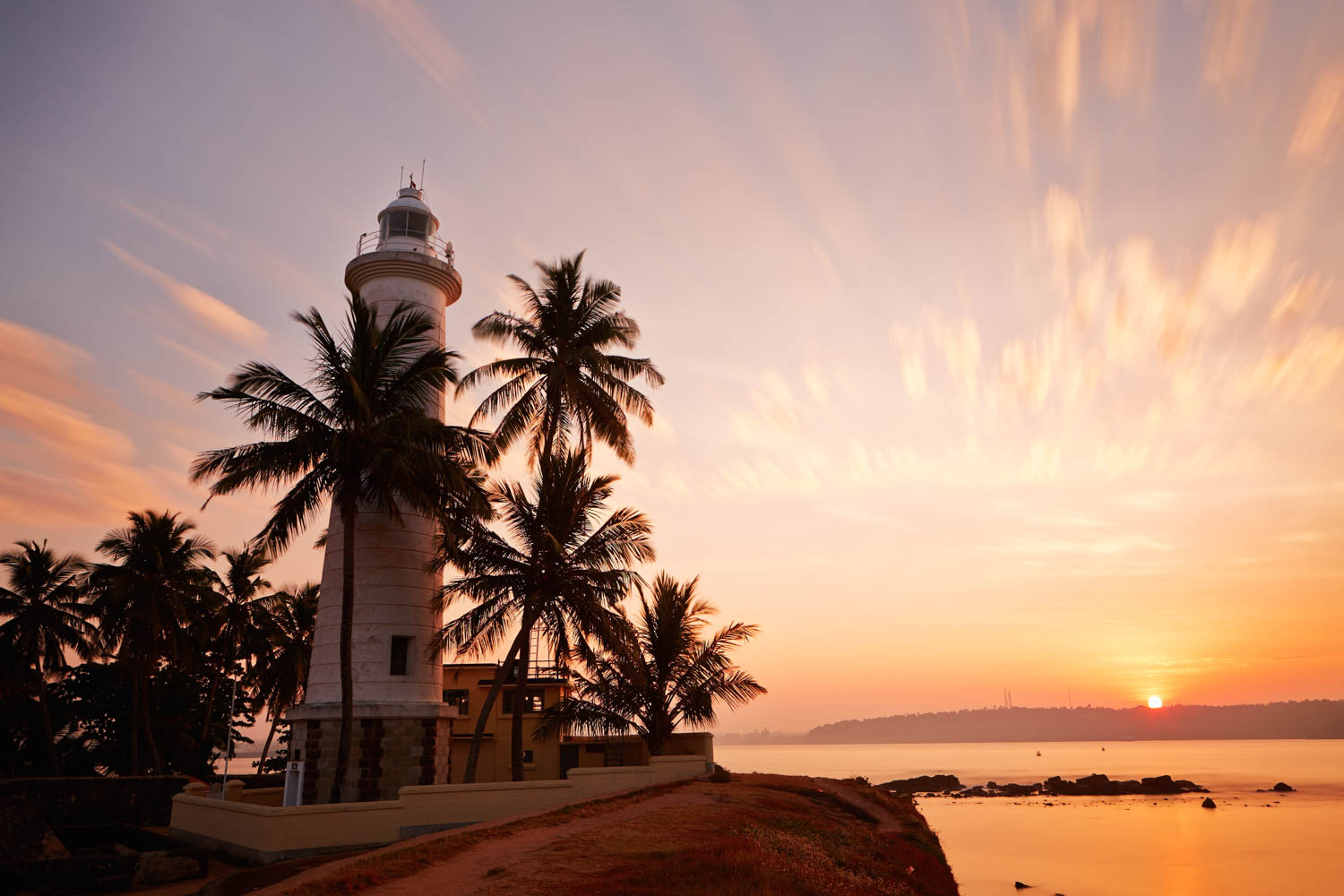
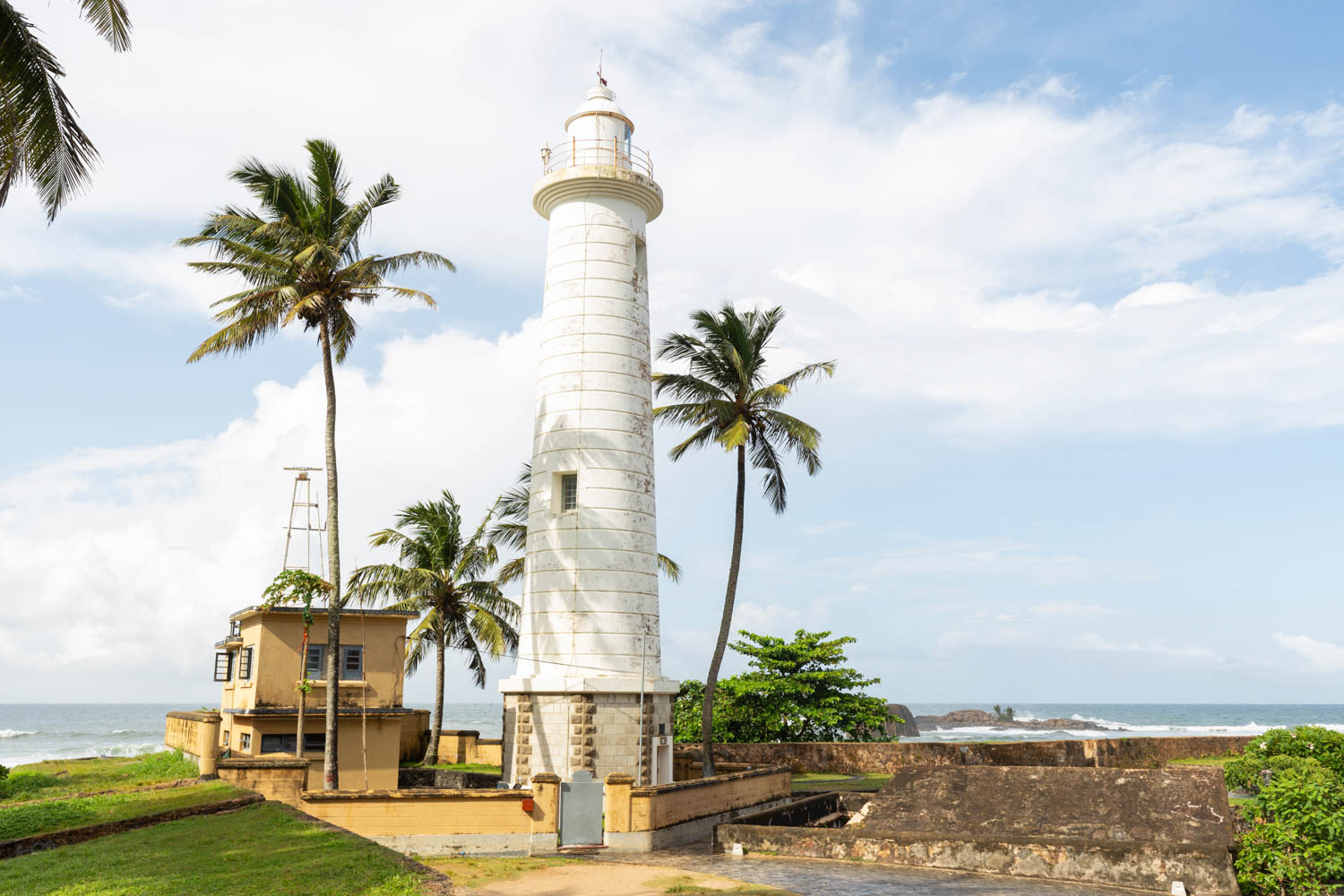
The most photographed spot in Galle, standing proudly at the southeastern tip of the fort. Built in 1848 and rebuilt in 1939, it remains one of the most recognized features of Galle Fort. Perfect for sunrise walks or evening golden-hour shots.
2. Dutch Reformed Church (Groote Kerk)
Built in 1755, this whitewashed church showcases Dutch colonial architecture and ancient tombstones.
3. National Maritime Museum
Located inside an old Dutch warehouse, the museum displays artifacts recovered from shipwrecks off the southern coast.

4. Old Gate & Clock Tower
The main entrance to Galle Fort bears the Dutch coat of arms and leads to a charming mix of cobbled streets, art galleries, and boutique hotels.
5. Flag Rock Bastion
A popular sunset viewpoint where locals and travelers gather to watch the waves crash against the ramparts.
👉 Pro Tip: Visit early morning or sunset for fewer crowds and softer light for photography.
Hiraz's take
Getting here
From Colombo airport (CMB), three good ways down the coast.
Once you have arrived in Galle, most hotels offer a smooth check-in process, making it easy for guests to settle in and start exploring.
Once you're there
How to move around once you have arrived.
Where to stay
Close in for the atmosphere, further out for the quiet.
.jpeg)
Where to eat
Cafés, local kitchens, and a few worth the drive.
eat ~ Inside the Fort ~ Slow breakfasts & courtyards ~ Poonie's Kitchen, Pedlar's Inn and a dozen cafe courtyards for a long morning between the lanes. || eat ~ By the water ~ Seafood on the coast ~ Grilled catch and cold beers at the beach shacks of Unawatuna and Dalawella, a short tuk-tuk from the walls. || eat ~ Worth the table ~ A proper dinner ~ The Tuna & The Crab or Fort Bazaar for a dressed-up evening, book ahead in season.
eat ~ Inside the Fort ~ Slow breakfasts & courtyards ~ Poonie's Kitchen, Pedlar's Inn and a dozen cafe courtyards for a long morning between the lanes. || eat ~ By the water ~ Seafood on the coast ~ Grilled catch and cold beers at the beach shacks of Unawatuna and Dalawella, a short tuk-tuk from the walls. || eat ~ Worth the table ~ A proper dinner ~ The Tuna & The Crab or Fort Bazaar for a dressed-up evening, book ahead in season.
When to go
The dry, bright window and the months to sit out.
The ideal time to visit Galle is during the dry season, from December to April, with February being one of the best months due to ideal weather conditions. During this period, you can enjoy sunny weather perfect for sightseeing and relaxing on the beaches.
This time offers clear skies and vibrant sunsets, making it the most popular time for travelers.
For those seeking fewer crowds and more affordable accommodations, the shoulder seasons of May to June and October to November are excellent choices.
The weather remains warm, and you can still experience much of what Galle has to offer without the peak-season bustle.
While the monsoon season from May to September brings occasional rain, it also provides unique opportunities for photography with dramatic skies and lush landscapes.
If you don’t mind brief showers, visiting during this time can offer a different, quieter perspective of this historic coastal city.
✨ Read our our month-by-month travel insights on best time to visit Sri Lanka for a a perfect getaway!
What it costs
Rough, honest per-person guides — we price the real thing to your dates.
Travel tips
The small things that make the difference here.
In frames
A gallery of the destination.

Common questions
Everything worth knowing before you go.
Is Galle worth visiting?
Yes — it's one of the best-preserved colonial sea forts in Asia and, unusually, still a living town. Even a single afternoon on the ramparts is memorable; two nights lets it and the surrounding coast unfold properly.
How many days do you need in Galle?
Two nights covers the Fort and one beach or whale trip. Three to four is ideal if you want to add Yala, surf, or slower beach days without feeling rushed.
What's the best time of year to visit Galle?
December to March — the southwest dry season — is best, with calm seas and reliable sun. April and July–August are quieter shoulder months; May–June and September–October see the heaviest monsoon rain.
How do you get from Colombo airport to Galle?
The Southern Expressway makes it a 2–2½ hour drive by private car, the way we send most guests. The coastal train is slower but scenic, and expressway buses are cheap and frequent.
Is Galle good for families?
Very. The Fort is compact and walkable, Unawatuna offers safe swimming, and there's enough — beaches, boats, wildlife — to keep every age engaged over a few days.
How can I get around Galle Fort?
Galle Fort is best explored on foot or by renting a bicycle. Tuk-tuks are also readily available for longer trips outside the fort walls.
Sources and checked
Make it yours.
Tell us what pulls at you and we'll thread this journey into one private itinerary — sent back on a live link within 24 hours.