Kandy
Written by the Sithiyam Travel team in Colombo
Kandy in the hill country: the Temple of the Tooth, how many nights to give it, getting there from Colombo, and where to stay.
.jpeg) Sri Lanka
Sri LankaOverview
What makes this place worth the journey.
Why Visit Kandy in Sri Lanka?
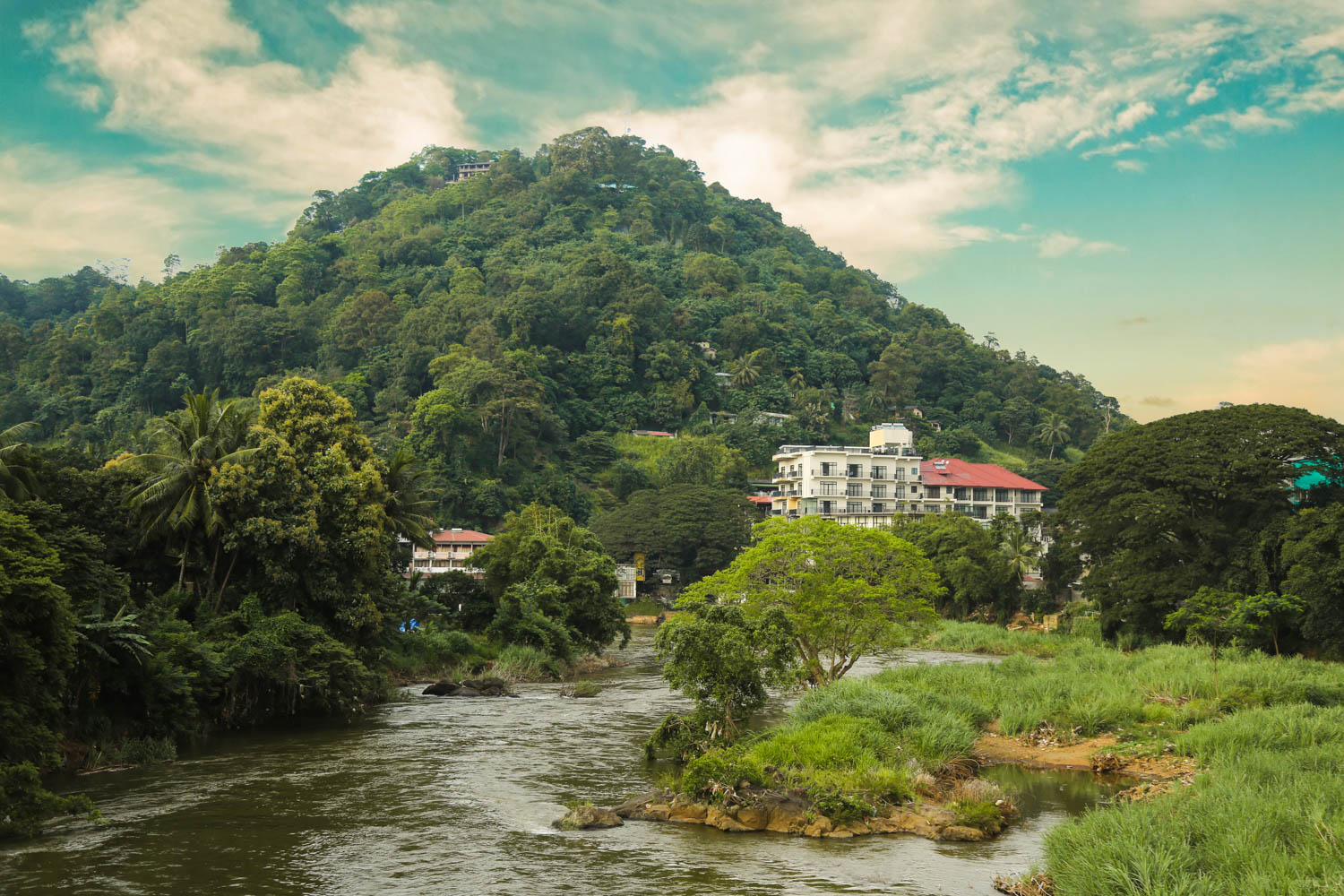
Kandy, known locally as Maha Nuwara (“Great City”), is the cultural heartbeat of Sri Lanka and the island’s second city, nestled in the lush central highlands. Surrounded by emerald hills and centered around a tranquil artificial lake, this sacred city offers a perfect blend of history, spirituality, and scenic beauty. Kandy lies amid rolling tea plantations, rice paddies, and misty hills, making it a picturesque gateway to Sri Lanka’s hill country.
The city played a crucial role in preserving unique customs, culture, and arts during colonial invasions by the Portuguese and Dutch, earning its reputation as a vibrant cultural hub. Kandy was the last stronghold of the Sinhalese monarchy, fiercely defending its independence until the British crown took control in 1815. British rule brought significant political and cultural changes to Kandy, transforming it into a colonial administrative and cultural center and impacting the local monarchy and traditions.
.jpg)
Kandy is often referred to as Sri Lanka's second city due to its historical and cultural significance. The city’s unique atmosphere is shaped by its diverse ethnic groups, including Sinhalese, Moors, and Tamils, all contributing to its colorful and dynamic culture.
Whether you’re here for the Temple of the Tooth, those stunning Peradeniya Royal Botanical Gardens, or that legendary scenic train ride toward Ella, Kandy town Sri Lanka has this amazing way of blending total serenity with fascinating history and pure spectacle. And what’s more, you can walk to pretty much everything.
For tea enthusiasts, the Ceylon Tea Museum offers a fascinating insight into the history and process of tea production in Sri Lanka, making it a must-visit for anyone exploring the city.
Kandy is associated with significant Buddhist heritage and craftsmanship, particularly in its many ancient temples.
The Temple of the Tooth Relic, also known as Sri Dalada Maligawa, is a prominent Buddhist shrine situated in Kandy, Sri Lanka. The temple attracts millions of pilgrims and tourists every year due to its significance in Buddhism.
✦ Want Kandy woven into a seamless trip? Take our 2-minute quiz at sithiyam.com and we’ll design your Luxe, Flex, or Group route.
Despite its fame, there are many Kandy lies—for example, some believe Kandy was always isolated, but in reality, it was a vibrant center of trade and culture throughout history.
Where is Kandy in Sri Lanka?
So where exactly is this place? Kandy sits in Sri Lanka's Central Province, roughly 115 km northeast of Colombo (that's about 3–4 hours by road if you're wondering) and 60–70 km from those gorgeous tea hubs like Nuwara Eliya and Hatton.
Think of it as the perfect middle ground - it's the hinge between the Cultural Triangle (hello Sigiriya, Dambulla, and Polonnaruwa) and the dreamy Hill Country (we're looking at you, Ella and Nuwara Eliya).
These days, it's also the administrative and religious capital of Sri Lanka's Central Province, and stands out as a major city in the region - pretty important stuff.
Keywords: where is Kandy in Sri Lanka, Sri Lanka Kandy city, Sri Lanka Kandy
How many nights, and where it fits
Counted off the routes we actually sell, not guessed.
How Kandy fits in your route
- Cultural Triangle → Kandy → Ella → South Coast: The classic first-timer route and it's classic for good reason.
- Kandy mini-break + tea bungalow: Perfect for shorter visits.
- Wildlife loop: Kandy → Udawalawe or Yala → coast for the ultimate adventure.
Sithiyam Insider: We time your Temple of the Tooth visit perfectly with puja, reserve those incredible scenic train legs, and group sights smartly so you're not zigzagging all over the place.
Is it worth basing here?
Some towns are a lunch stop, not a base. We say which.
Conclusion
Kandy is the kind of place that lingers in your memory long after you’ve left. Set amidst the rolling hills of Sri Lanka’s central province, this city is a vibrant tapestry of cultural heritage, natural beauty, and timeless tradition. From the revered sacred tooth relic at the heart of the city to the lush expanses of the Royal Botanic Gardens, every corner of Kandy invites exploration and awe.
Wander through the misty tea plantations that blanket the hill country, marvel at the intricate artistry of Buddhist temples, and lose yourself in the tranquil beauty of the surrounding hills. Whether you’re drawn by the city’s rich history, its lively festivals, or the simple pleasure of a scenic train ride through emerald landscapes, Kandy offers something for every traveler.
So, if you’re dreaming of a destination that blends ancient wonders with natural splendor, make sure Kandy is at the top of your Sri Lanka itinerary. Come for the sacred tooth, stay for the unforgettable experiences, and leave with a heart full of memories from one of Sri Lanka’s most enchanting cities.
What to do
The place itself, then everything around it opens up.
-2.jpeg)


Top things to do in Kandy
1) Sri Dalada Maligawa (Temple of the Tooth)
This is it - Kandy’s spiritual heart. Built between 1687–1707 right within the royal palace complex, the Temple of the Tooth is an important religious shrine in Kandy, constructed to house the Buddha’s tooth relic (which made its way to Sri Lanka way back in the 4th century - quite incredible, really).
.jpg)
The temple was constructed to honor this sacred relic, which is believed to have belonged to Gautama Buddha, greatly enhancing the temple's spiritual significance. The relic symbolizes sovereignty—whoever holds it is seen as the rightful ruler. Pretty powerful stuff.
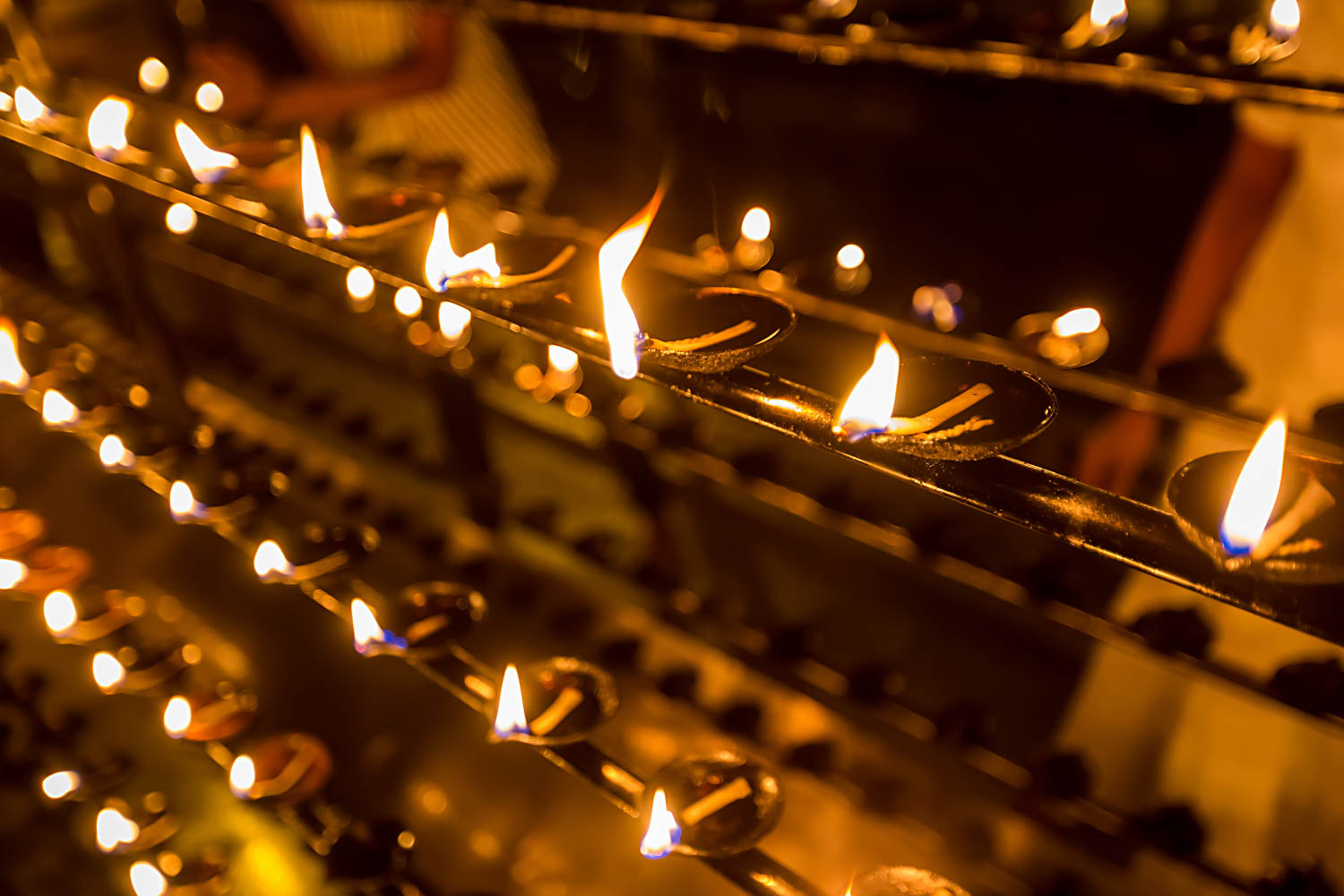
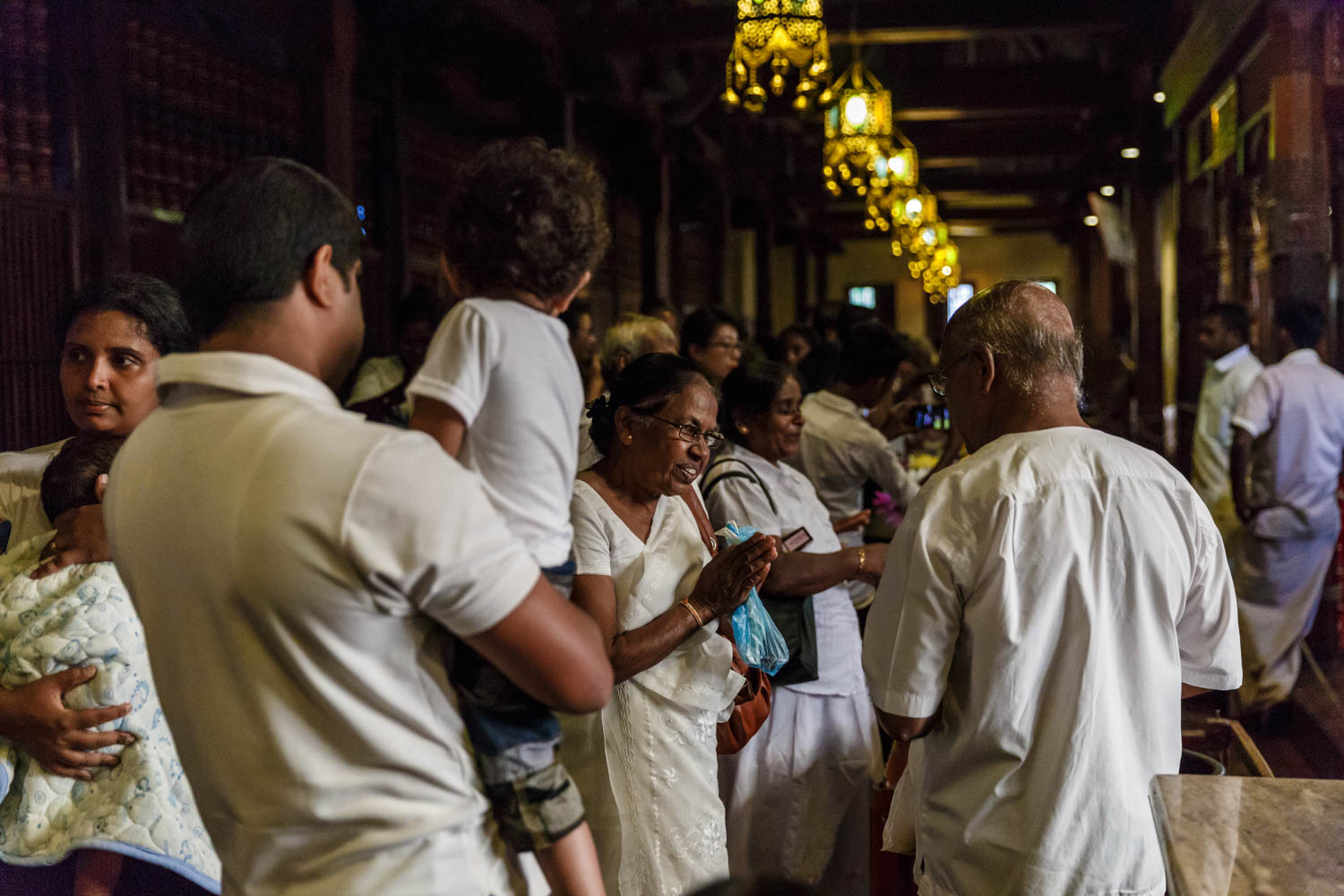
Inside, you’ll find a temple complex with stunning murals, peaceful meditation halls, and those amazing puja rituals with morning and evening drumming plus flickering lamps. Several meditation areas and rooms are adorned with elaborate Buddhist murals, adding to the temple’s serene and spiritual atmosphere. For many Sri Lankans, visiting here is literally a life goal.
👉 Just remember: dress modestly and shoes come off inside.
2) Kandy Lake (Nuwara Wewa)
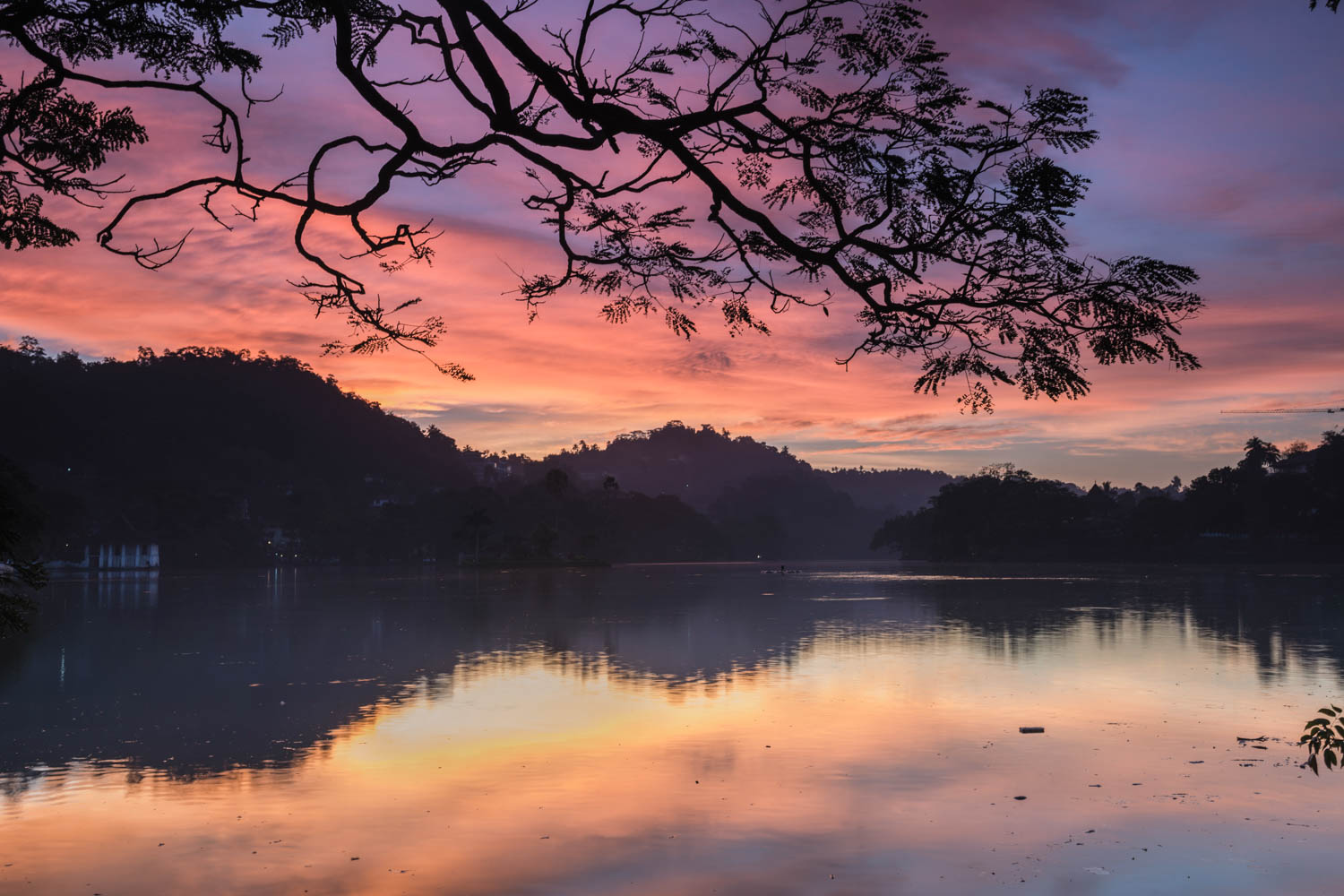
This gorgeous 3.5 km circuit is perfect for those golden-hour strolls we all love. Plus, it's great for birdwatching and checking out those beautiful colonial villa views. The best part? Most of the major sights are totally walkable from here.
3) Peradeniya Royal Botanic Gardens
Just 5 km west of Kandy, these 147-acre gardens are home to over 4,000 species - it's like nature's own theme park (and what's more, they're stunning).
The highlights? That orchid house, the cannonball tree (yes, really), flying fox colonies hanging out everywhere, the iconic Royal Palm Avenue, and this massive Javan fig that spans 2,500 sqm.
The avenue of royal palms is particularly famous and highly photographed by visitors. Originally these were just for Kandyan royals (lucky them), but they opened to us regular folks in 1821.
The Royal Botanical Gardens in Peradeniya, located near Kandy, is a large park that is perfect for walks and outdoor activities. Entry's around LKR 1,500 for adults and you'll want to give yourself 2–3 hours minimum.
Visitors can find a café within the gardens serving snacks and drinks. The gardens attract around 2 million visitors annually.
4) Bahirawakanda Vihara Buddha
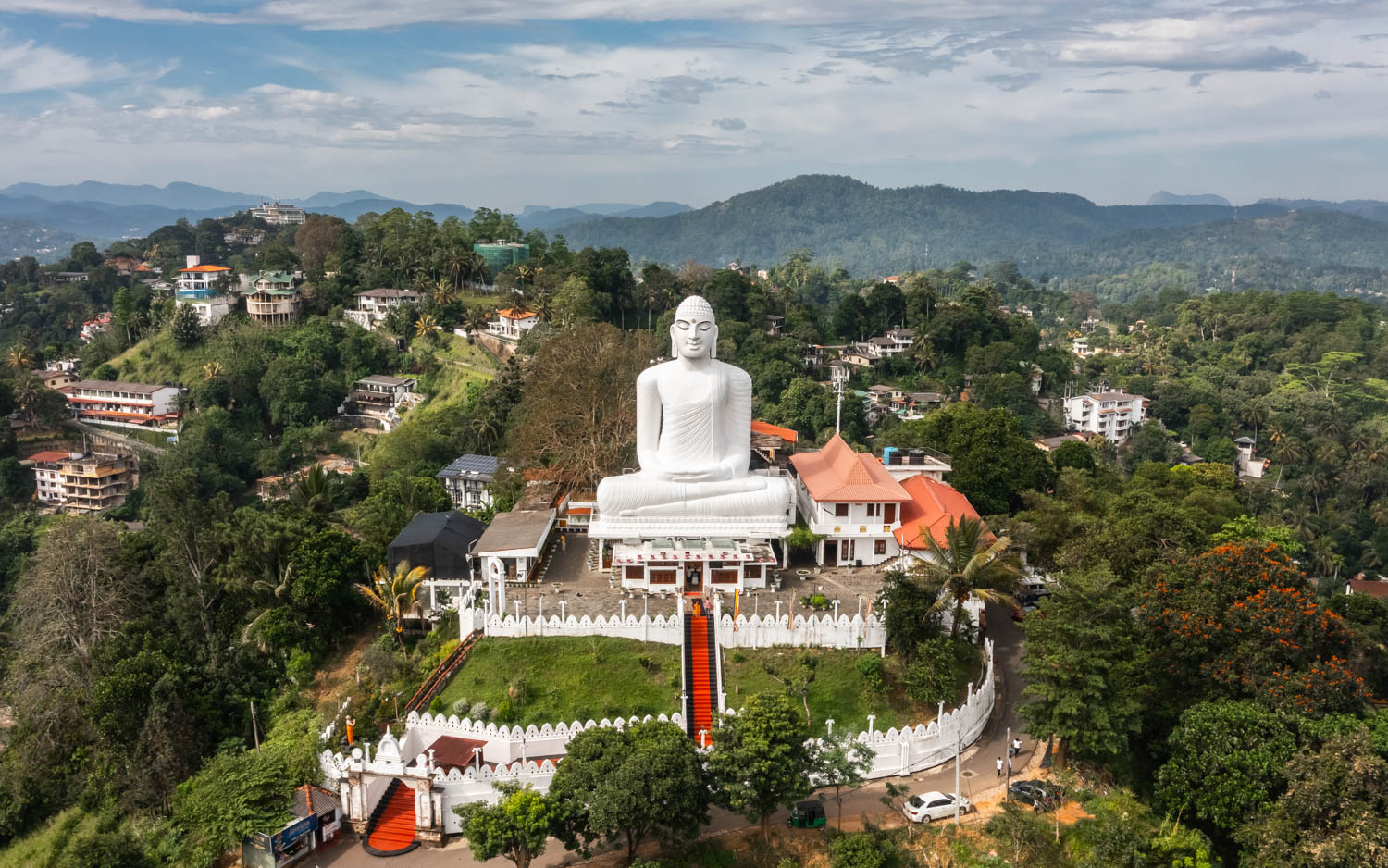
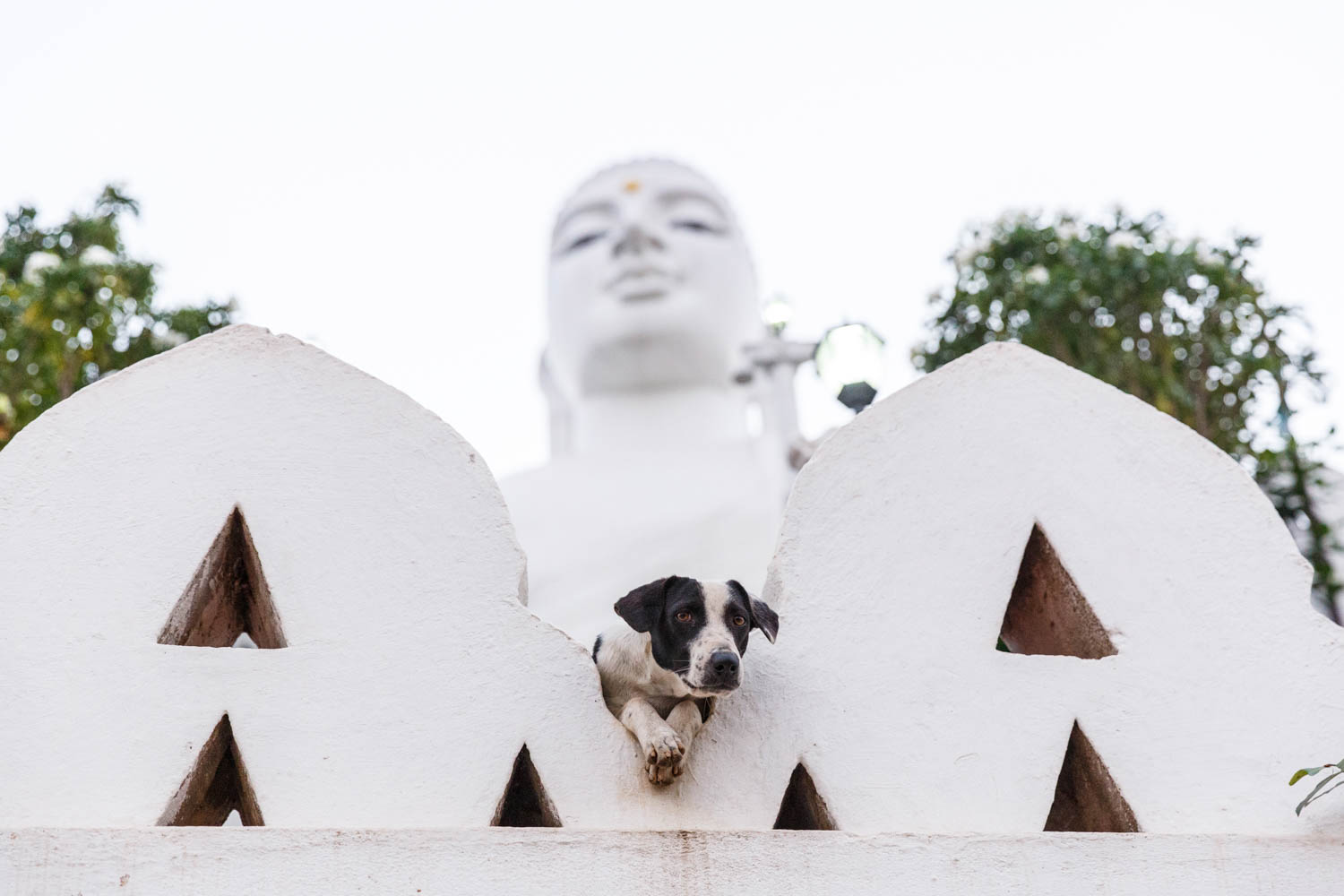
This towering white Buddha has the most incredible view over Sri Lanka Kandy city. Perfect for sunrise or sunset (we can't decide which is better).
The Bahirawakanda Buddha Statue not only offers panoramic views of Kandy from its hillside location but also serves as a serene spot for reflection and photography. Arthur's Seat is another fantastic panoramic lookout nearby.
5) Kandyan Dance & Drumming
These colorful nightly shows are pretty mesmerizing - we're talking masks, fire-walking, and rhythms that echo through the famous Esala Perahera.
The Kandyan dance form is known for its colorful costumes and storytelling through movement.
The Esala Perahera is one of the most spectacular festivals in Sri Lanka, celebrated with grand processions and traditional performances.
During the annual Esala Perahera festival, a replica of the tooth relic is paraded through Kandy, accompanied by a grand procession.
The Kandy Cultural Dance Show features many Sri Lankan dance types such as Magul Bera and Devol Natuma.
That annual festival parades a replica tooth relic with dancers, drummers, and elephants. It's honestly one of Asia's grandest religious pageants.
The Kandyan Cultural Centre also hosts traditional Kandyan dance performances, making it a great spot to experience this vibrant art form.
6) Ceylon Tea 101
You simply cannot leave without touring a factory near Hantana or checking out the Ceylon Tea Museum. For a complete experience, visit a tea plantation to see the tea-growing process firsthand. Learning about the whole process from plucking → rolling → fermenting is fascinating, and then you get to sample some of the world’s best tea. Win-win.
7) Markets & Crafts
The Central Market is bursting with spices, fresh fruit, and those delicious short-eats. Nearby workshops sell gorgeous woodcarvings, batik, and brassware. Kandy’s market streets offer a vibrant experience filled with local vendors and a variety of goods, making it an ideal spot to immerse yourself in the city’s lively culture. And speaking of local dining - you’re in for a treat:
- Balaji Dosa: seriously standout South Indian flavors. Balaji Dosa serves delicious masala dosa in Kandy.
- Mandiya: their curries are legendary.
- Cafe Secret Alley: this hip café hideaway is perfect for chilling out. Cafe Secret Alley is one of the recommended places to eat in Kandy, known for its cozy atmosphere and delicious offerings.
- Hideout Lounge: a popular spot in Kandy for food and relaxation, Hideout Lounge is well-loved by visitors looking to unwind and enjoy great local cuisine.
Keywords: things to do in Sri Lanka Kandy, places visit in Kandy, beautiful places in Kandy
Scenic Viewpoints in Kandy
Kandy is a city that begs to be seen from above. Nestled among the rolling hills of Sri Lanka’s central province, it offers countless scenic viewpoints where you can soak in the beauty of the city and its surroundings.
One of the best ways to experience Kandy’s landscape is with a leisurely walk around Kandy Lake, the shimmering artificial lake built in 1807 by King Sri Wickrama Rajasinha. From here, you’ll catch glimpses of the city centre, the lush slopes that cradle the town, and the distant peaks that define the region. For a more adventurous perspective, hike up to Hanthana Mountain or explore the trails near the Royal Botanic Gardens—each spot rewards you with sweeping views of the city, the gardens, and the iconic palace complex.
The nearby Udawattakele Forest Reserve is an urban forest and wildlife sanctuary within Kandy, offering a unique natural escape right in the heart of the city. Hiking the Hanthana Mountain Range typically takes 4 to 6 hours and requires a moderate level of fitness. The train passes through lush green tea plantations, misty mountains, and cascading waterfalls during the journey. Wales Park, a scenic and historical park located within Kandy, also offers great views of the city and serves as a peaceful spot for recreation and relaxation. Whether you’re a photographer, a nature lover, or just in search of a peaceful escape, Kandy’s surrounding hills and scenic lookouts are sure to leave you inspired.
Kandy Viewpoint
No visit to Kandy is complete without a stop at the famous Kandy Viewpoint—better known as Arthur's Seat. Perched just above the city centre, this spot offers pretty impressive panoramic views of Kandy Lake, the Royal Botanic Gardens, and the surrounding hills that make this city so enchanting. On a clear day, you can even spot the golden rooftops of the Temple of the Tooth, one of Sri Lanka's most sacred Buddhist sites, glinting in the sunlight. The Kandy Viewpoint is especially magical at sunset, when the sky is painted in shades of pink and orange and the city lights begin to twinkle below. Getting there is easy: it's a short walk or tuk-tuk ride from downtown Kandy, and the entrance fee is minimal—making it an accessible must-see for every traveler. Bring your camera, breathe in the fresh hill country air, and take in the unforgettable views that define Kandy's unique charm.
Arthur’s Seat
Arthur’s Seat is one of those magical spots in Kandy Sri Lanka that you simply can’t miss. Perched just a short stroll from Royal Palace Park, this iconic viewpoint offers some of the most breathtaking panoramic views you’ll find anywhere in the city. Named after Sir Arthur, a British governor who loved to soak in the scenery here, Arthur’s Seat is the perfect place to pause and take in the beauty of Sri Lanka’s second city.
From this vantage point, you’ll be treated to sweeping vistas of Kandy Lake shimmering below, the majestic Royal Palace, and the sacred Temple of the Tooth nestled among the city’s rooftops. The surrounding hills roll out in every direction, creating a lush green backdrop that’s especially stunning at sunset, when the sky glows and the city lights begin to twinkle. Whether you’re a photographer, a romantic, or just someone who loves a good view, Arthur’s Seat is a tranquil escape right in the heart of Kandy. Bring a camera, a sense of wonder, and let the magic of Kandy Sri Lanka unfold before your eyes.
Day trips from Kandy
So many options here.
- Knuckles Range: Cloud forests, incredible hikes, charming villages.
- Matale & Aluvihara: Rock-cave monastery and spice gardens (just pick ethical ones).
- Ramboda Falls / Tea Country: Gorgeous waterfalls plus estate visits on your way to Nuwara Eliya.
- Sigiriya & Dambulla: Possible in one day but way better with an overnight stop.
- Hanthana Mountains: 4–6 hour hike that’s pretty stunning (best Dec–Apr).
- Hulu River Waterfall: Perfect scenic escape nearby.
- Three-Temple Loop: Beautiful Kandyan-era shrines in peaceful countryside. The historic three-temple loop near Kandy is an attractive hike that showcases ancient Kandyan-era temples amidst scenic countryside.
- Horton Plains National Park: Unique montane ecosystem, misty grasslands, and breathtaking views at World’s End.
For those seeking coastal experiences, consider a trip to the east coast—Arugam Bay is a standout beach destination known for its natural beauty and Bali-like vibe.
Why come here
The reasons travellers book around this place.
Brief History of Kandy
Step into the heart of Sri Lanka’s central province and you’ll find Kandy—a city with a story as rich as its scenery.
Dating back to the 14th century, Kandy rose to fame as the last capital of the Kandyan Kingdom, ruled by the Kandyan kings who fiercely resisted both Portuguese and Dutch invaders when much of the island fell under colonial sway.
This proud resistance helped Kandy preserve its unique customs, arts, and traditions, even as British rule swept across Sri Lanka in the 19th century.
When the British finally annexed Kandy in 1815, the city’s royal palace complex and sacred Buddhist sites became symbols of national identity and resilience.
Notably, during the reign of King Kirti Sri Rajasinha, Buddhism was revived and significant cultural developments, including architecture and festivals, flourished in Kandy.
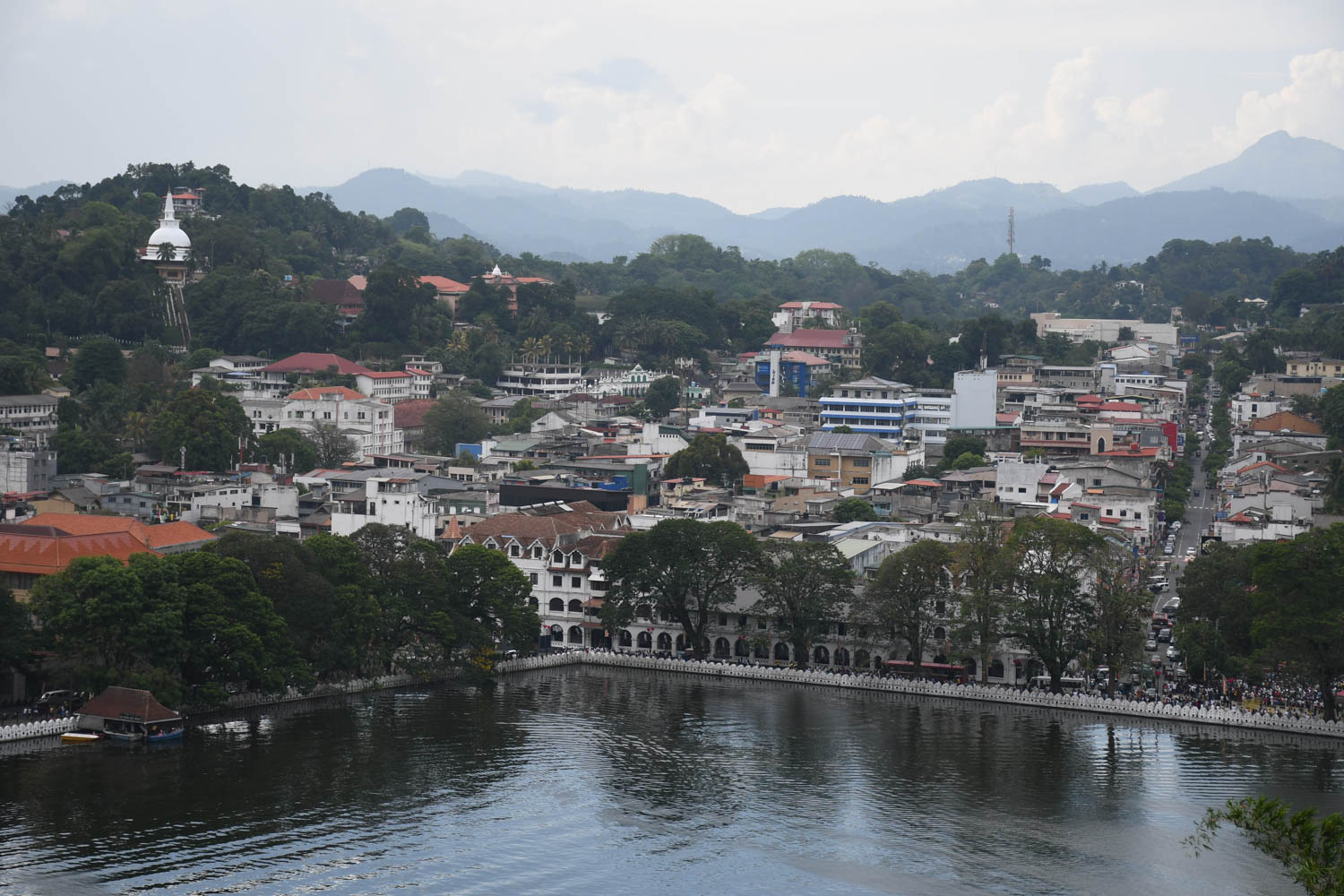
Today, Kandy is celebrated as a UNESCO World Heritage Site, drawing travelers from around the globe to experience its living history, vibrant festivals, and deep spiritual roots.
It’s not just a city—it’s a living testament to Sri Lanka’s enduring cultural heritage.
Colonial Era Influence in Kandy
Kandy’s charm isn’t just ancient—it’s also shaped by the colonial era, when the British left their mark on the city’s landscape and way of life.
Stroll through downtown Kandy and you’ll spot grand colonial-era buildings, like the iconic Queen’s Hotel, which once hosted British officers and now welcomes travelers with old-world elegance.
The British also introduced the now-famous tea plantations to the hills around Kandy, transforming the region into the heart of Sri Lanka’s tea industry.
After the British annexed Kandy, the region—including royal reserves—came under the control of the British Crown, which influenced conservation and land use policies during the colonial period.
Don’t miss a visit to the Royal Botanic Gardens, established in 1821, where you can wander among towering palms and rare blooms—a living legacy of colonial horticultural ambition.
These influences blend seamlessly with Kandy’s traditional culture, making the city a fascinating crossroads of history, architecture, and lush, green tea country.
Hiraz's take
Getting here
From Colombo airport (CMB), three good ways down the coast.
Once you're there
How to move around once you have arrived.
Getting to Kandy (and around)
Getting there is half the fun, trust us.
- By train: The Colombo ↔ Kandy route (~2.5–3 hrs) is pretty popular - and we mean popular, so definitely reserve early.
- The Kandy train station is a central hub for arrivals and departures, making it easy to connect to other destinations.
- The train journey itself is one of the most scenic in Sri Lanka, offering beautiful views along the way.
- Tickets for the Kandy to Ella train should be booked in advance due to the journey's popularity.
- The scenic train ride from Kandy to Ella is popular for its breathtaking views of lush landscapes and tea plantations.
- Kandy → Ella train: Now this is the good stuff. ~116 km, ~6 hrs of pure eye candy along the famous railway line connecting Kandy to Ella.
- We're talking lush tea hills, magical forests, and waterfalls that'll make your Instagram followers pretty envious.
- The best views? Nanu Oya → Ella - known for its dense forests and breathtaking scenery, you'll thank us later.
- Classes: First (A/C and comfy as anything), Second (windows you can actually open plus all the local vibes), Third (pure local energy with open doors - it's an adventure).
Pro tip: Window seats or those doorway standing spots mean unbeatable photos. Seriously unbeatable.
✨ Read our our month-by-month travel insights on best time to visit Sri Lanka for a a perfect getaway!
- By road: Get yourself a private driver via A1/expressways (journey takes about 3–4 hrs of scenic goodness) from Colombo.
- From Sigiriya/Dambulla: Easy 2–3 hrs by car, though some routes can be done in as little as one hour depending on traffic.
- Onward to Ella: Book those scenic daytime legs. We often combine Hatton → Ella and it's pretty stunning.
- Within town: The lake loop is perfect for walking. Use tuk-tuks or PickMe for those hills (your legs will thank you). Public buses are a cheap local option if you're feeling adventurous. Tuk-tuks are the primary mode of transportation for short distances in Kandy. Kandy is a major city that is well connected to the rest of Sri Lanka by train and bus. Kandy's transportation links, including roads and railway, emphasize its historical significance as a central hub in Sri Lanka.
Kandy City Centre is a convenient spot for shopping, dining, and accessing transportation around town.
Where to stay
Close in for the atmosphere, further out for the quiet.
Where to stay
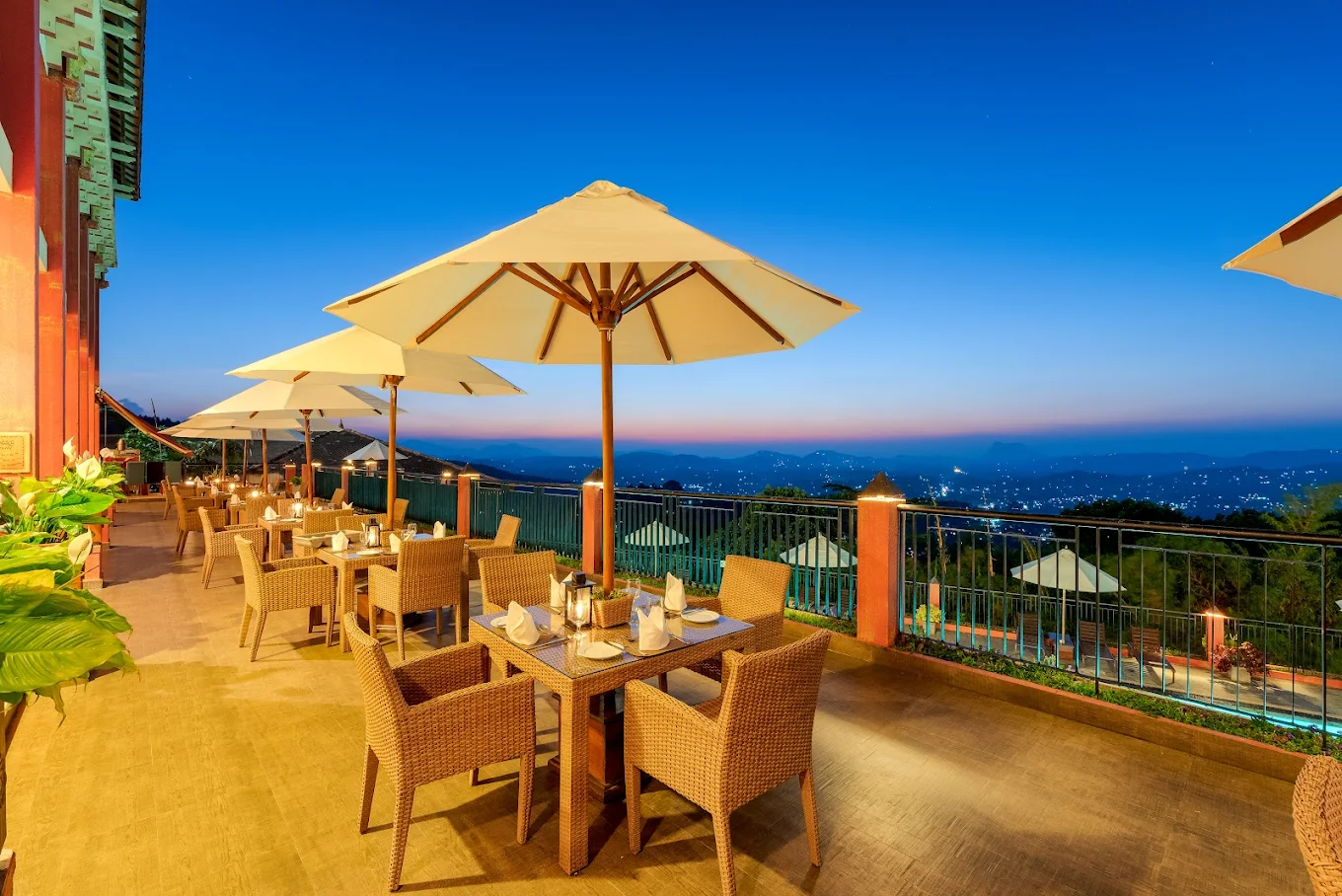
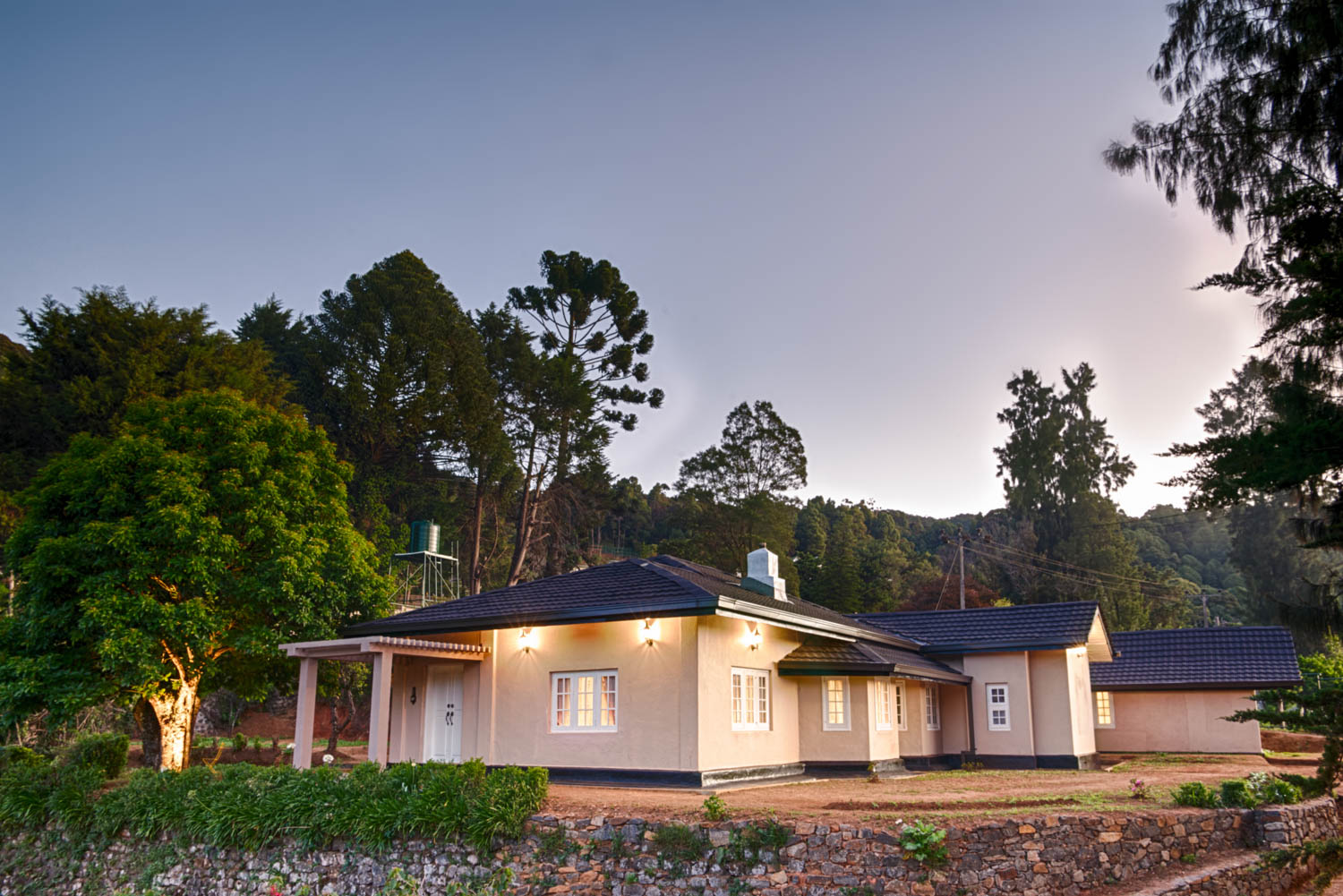
- Luxe: Those dreamy hillside boutique hotels with pools, heritage suites right by the lake, or Hatton tea bungalows (pure magic).
- Flex: Lovely mid-range guesthouses around Upper Lake Drive with terraces and cafés practically on your doorstep.
- Group/Budget: Central Kandy guesthouses - clean, affordable, and you can walk everywhere. Accommodations in Kandy cater to all budgets, making it easy for travelers to find suitable lodging, whether you're looking for luxury or something more economical.
Sithiyam tip: Split 2 nights in Kandy + 1 in Hatton for those incredible tea-estate sunrises before catching the Ella train.
.jpeg)
Where to eat
Cafés, local kitchens, and a few worth the drive.
Food & drink
Get ready for some serious food adventures.
- Rice & curry spreads with sambols, dhal, and amazing fish or veg curries. Kandy is known for its traditional dish rice and curry.
- Hoppers & string hoppers (definitely try egg hoppers with lunu miris - you'll be obsessed).
- Short-eats like samosas and rolls make perfect train snacks.
- Kottu roti is must-try street food - the sound alone is music to your ears.
- Cafés on Upper Lake Drive and Peradeniya Road are perfect for tea and cake breaks.
- For a refreshing drink, try a traditional mango lassi—a tasty yogurt-based beverage often enjoyed with dosas and curries. Kandy's food scene also includes both Sri Lankan and South Indian vegetarian options, offering a variety of flavors for every palate.
👉 Quick etiquette tip: eat with your right hand and don't be shy about asking for "less spicy" if you need to.
Food & drink
Get ready for some serious food adventures.
- Rice & curry spreads with sambols, dhal, and amazing fish or veg curries. Kandy is known for its traditional dish rice and curry.
- Hoppers & string hoppers (definitely try egg hoppers with lunu miris - you'll be obsessed).
- Short-eats like samosas and rolls make perfect train snacks.
- Kottu roti is must-try street food - the sound alone is music to your ears.
- Cafés on Upper Lake Drive and Peradeniya Road are perfect for tea and cake breaks.
- For a refreshing drink, try a traditional mango lassi—a tasty yogurt-based beverage often enjoyed with dosas and curries. Kandy's food scene also includes both Sri Lankan and South Indian vegetarian options, offering a variety of flavors for every palate.
👉 Quick etiquette tip: eat with your right hand and don't be shy about asking for "less spicy" if you need to.
When to go
The dry, bright window and the months to sit out.
Here’s some good news - thanks to its hill elevation, Kandy’s climate is way more comfortable than the coast. No sweltering heat here.
- Dec–Apr: Pretty much perfect. Dry, sunny, and ideal for wandering through gardens and temples. Most visitors spend a few hours enjoying the gardens or temple during these ideal months. Jan–Apr is when everyone wants to be here (and you can see why).
- May–Aug: Still lovely with some warm afternoons and refreshing showers. But hey - Esala Perahera (Jul/Aug) is quite something. This vibrant festival is one of the most renowned in Asia, celebrating culture and religion with grand processions and traditional performances. Just make sure you book early because everyone’s trying to get here for this festival.
- Sep–Nov: This is the inter-monsoon period, and honestly, it’s gorgeous. Lush, green scenery everywhere, fewer crowds to deal with, and those quick tropical downpours that actually feel quite refreshing.
Many travelers who have visited Kandy during different seasons mention how the weather and atmosphere can completely change the experience, from vibrant festivals in the summer to peaceful, green landscapes in the monsoon.
Sithiyam tip: Got fixed dates? No worries. We balance Kandy with whichever coast is in season so you always get sun somewhere.
Kandy's Climate: What to Expect
If you're looking to escape the tropical heat of Sri Lanka's lowlands, Kandy is your perfect hill country retreat.
Thanks to its elevation, the city enjoys a pleasantly mild tropical climate, with temperatures usually hovering between 19°C and 28°C year-round.
Expect two main monsoon seasons: the heaviest rains fall from May to July and again from October to December, bringing the surrounding hills to life with lush greenery.
The best time to visit Kandy is from January to April, when the days are sunny, the air is crisp, and the gardens are in full bloom.
Evenings can be refreshingly cool, so pack a light jacket or shawl—especially if you're planning to explore the misty tea plantations or take in a sunset over the city.
Sudden showers are part of the charm, so an umbrella or raincoat is always a smart addition to your travel kit.
What it costs
Rough, honest per-person guides — we price the real thing to your dates.
Travel tips
The small things that make the difference here.
Practical tips
- Transport apps: PickMe and Uber are your friends.
- Cash & cards: ATMs everywhere. Keep small notes for tuk-tuks and markets.
- Shoes: Comfy ones for all those stairs and garden walks.
- Weather kit: Light jacket and a shawl or sarong for temples.
- Bus station: Central hub that connects to pretty much everywhere. The main bus station in Kandy offers services to various destinations across the island.
- Photos: Just ask before shooting locals, priests, or during puja - it's polite.
Costs & time
- Attractions: Really modest entry fees for temple, gardens, and dance shows.
- Guides: Totally worth it at the Temple and Botanic Gardens - they bring everything to life.
- Time needed: 1–2 days for all the highlights, 3 if you want to add hikes and day trips.
Practical tips
- Transport apps: PickMe and Uber are your friends.
- Cash & cards: ATMs everywhere. Keep small notes for tuk-tuks and markets.
- Shoes: Comfy ones for all those stairs and garden walks.
- Weather kit: Light jacket and a shawl or sarong for temples.
- Bus station: Central hub that connects to pretty much everywhere. The main bus station in Kandy offers services to various destinations across the island.
- Photos: Just ask before shooting locals, priests, or during puja - it's polite.
Costs & time
- Attractions: Really modest entry fees for temple, gardens, and dance shows.
- Guides: Totally worth it at the Temple and Botanic Gardens - they bring everything to life.
- Time needed: 1–2 days for all the highlights, 3 if you want to add hikes and day trips.
In frames
A gallery of the destination.
.jpeg)

.jpeg)


Common questions
Everything worth knowing before you go.
Is Kandy worth visiting?
Yes. UNESCO listed the city in 1988 for its cultural significance, and the Temple of the Tooth is part of that listing.
How many days do I need in Kandy?
One to two days for the essentials; three if you want to add the Knuckles range or side trips.
Is Kandy safe?
Yes, with normal city awareness. Use PickMe or licensed tuk-tuks, keep valuables close, and respect temple customs.
What is the dress code at the Temple of the Tooth?
Cover shoulders and knees, remove shoes and hats, and speak softly.
Where can I see Kandyan dance?
At the cultural centres near the lake and temple. We pre-book seats with clear views.
How do I get to Kandy from Colombo?
By private car it is about 3 to 3.5 hours. The Colombo–Kandy train takes roughly the same time and is the more scenic option.
What is Kandy best known for?
The Temple of the Tooth and the UNESCO-listed city centre, added to the list in 1988.
Sources and checked
Make it yours.
Tell us what pulls at you and we'll thread this journey into one private itinerary — sent back on a live link within 24 hours.