Negombo
Written by the Sithiyam Travel team in Colombo
Negombo, 20 minutes from the airport: the beach, the lagoon and fish market, how many nights it is worth, and where to stay.
.jpeg) Sri Lanka
Sri LankaOverview
What makes this place worth the journey.
Why Visit Negombo?
Negombo, affectionately called “Nego” by locals, is far more than a convenient transit point near Colombo’s Bandaranaike International Airport. It is a town steeped in centuries of history, a thriving fishing hub, and a cultural melting pot where Buddhism, Hinduism, and Christianity coexist harmoniously. Historically significant as a trading port for spices, Negombo attracted Arab, Chinese, and European merchants, shaping its cosmopolitan identity.
Negombo’s origins trace back to its role as a key cinnamon trading port long before European colonizers arrived. Arab traders sailed into the lagoon to purchase prized cinnamon and pearls, establishing early commercial links. The Portuguese fortified Negombo in the 1500s, introducing Catholicism and leaving behind impressive colonial architecture and churches that still grace the town today.
As one of the first towns in Sri Lanka taken by the Portuguese, Negombo’s Christian heritage remains strong, earning it the nickname “Little Rome.” The Dutch, who took control in the 17th century, expanded the fort, dug the Dutch Canal to facilitate spice transport from dry land to the coast, and further influenced the town’s cultural fabric.
The Negombo Dutch Fort, originally a Portuguese fort, was later rebuilt by the Dutch and is now mostly in ruins, with parts repurposed as a prison featuring a historic clock tower. The British modernized Negombo as a fishing and trade port, adding layers to its rich history.
Today, Negombo blends colonial remnants, a bustling fishing community, and modern tourism seamlessly.
Visitors can watch fishermen at dawn unloading their catch at the famous Negombo Fish Market, explore centuries-old cathedrals like St. Mary’s Cathedral, enjoy a boat ride on the expansive Negombo Lagoon, and unwind at luxury resorts—all within a compact area. The Negombo Lagoon is a natural paradise with picturesque landscapes, rich biodiversity, and diverse wildlife, making it popular for boat tours and birdwatching.
The nearby Muthurajawela wetlands, Sri Lanka’s largest salt marsh, and the Henerathgoda Botanical Gardens offer unique opportunities for wildlife spotting and relaxation amidst stunning natural beauty.
Whether you use Negombo as a starting point for exploring the cultural triangle, a base for day trips to places like Kandy and Wilpattu National Park, or a final stop before flying home, it promises an unforgettable experience filled with history, cuisine, and coastal charm.
How many nights, and where it fits
Counted off the routes we actually sell, not guessed.
Is it worth basing here?
Some towns are a lunch stop, not a base. We say which.
Conclusion
Negombo is more than Sri Lanka’s airport town — it is a vibrant blend of colonial history, fishing heritage, golden beaches, and modern tourism.
From Arab traders to Portuguese forts, Dutch canals, and Catholic churches, every corner tells a story. Fishing remains a vital part of Negombo's identity, supporting generations of families.
The Negombo Dutch Fort, originally a Portuguese fort rebuilt by the Dutch, stands as a testament to the town’s rich past, with parts now serving as a prison. The landmark Brown's Beach Hotel was reported as being demolished and planned to be rebuilt as a new five-star hotel, enhancing the town’s luxury offerings. With lagoon safaris, fresh seafood feasts, beach sunsets, and proximity to wildlife parks like Wilpattu, Negombo remains one of Sri Lanka’s most enduring and unforgettable destinations.
Plan your journey with Sithiyam and discover the charm and natural beauty of Negombo — the perfect beginning or final stop on your Sri Lanka adventure in 2026.
What to do
The place itself, then everything around it opens up.
Top Attractions & Things to Do in Negombo
Negombo Fish Market
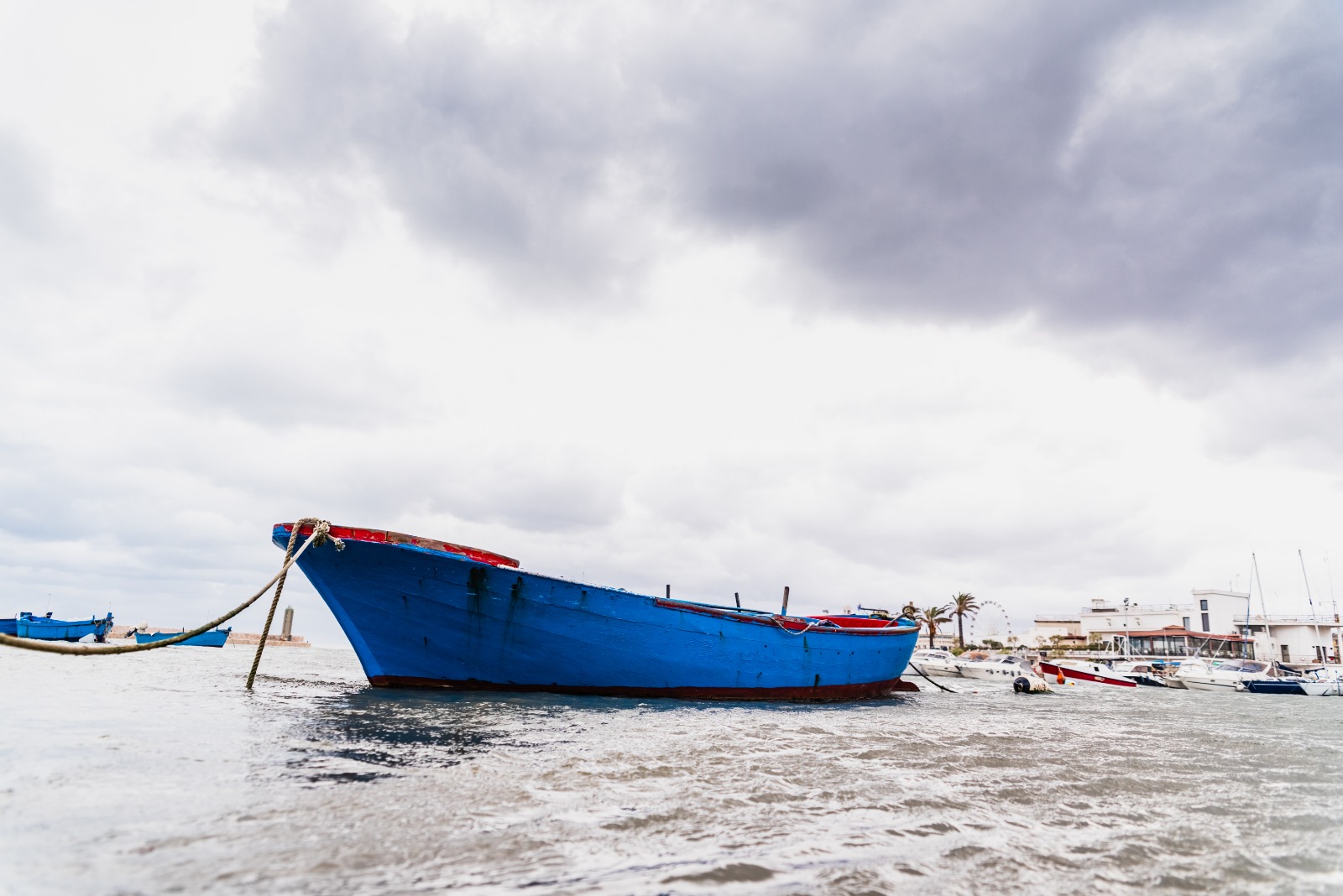
One of Sri Lanka’s largest and busiest fish markets, active from early morning. Witness the chaotic auctions as fishermen unload tuna, prawns, squid, and crabs. The fresh catch is carefully segregated by type and size before being sold. The market offers a raw glimpse into local life and is a must-visit for an authentic cultural experience. Nearby, the Church of Our Lady of Good Voyage stands as a significant Portuguese-influenced landmark dedicated to Mother Mary. The market is also one of the largest open-air fish markets in the world. Negombo is also famous for its unique fishing boats, known as oruwas, which are used by local fishermen.
St. Mary’s Cathedral
Built in the 19th century, this Neo-classical cathedral features fresco-painted ceilings and is central to Negombo’s Catholic community. The church hosts colorful processions and festivals, reflecting the town's strong Christian heritage.
Dutch Canal (Hamilton Canal)
Originally constructed by the Dutch in the 1600s, this canal stretches approximately 100 km north to Puttalam. The Dutch built canals in Negombo for the transportation of spices from the interior dry land to the coast. Today, boat tours let visitors glide past fishing villages, lush countryside, and vibrant birdlife. Some tours include sampling toddy, a traditional drink made from coconut sap, adding a unique cultural touch.
Remains of Negombo Fort
Though mostly in ruins, the fort remains a key historical site near the lagoon, symbolizing Negombo’s colonial past. The fort’s clock tower is a distinctive landmark visible from dry land, offering a glimpse into the town’s layered history.
Angurukaramulla Temple
A significant Buddhist temple featuring a 6-meter reclining Buddha, a dragon-arched entrance, and intricate murals depicting Buddhist legends and colonial history. The Angurukaramulla Viharaya is a notable landmark in Negombo, attracting visitors with its serene atmosphere and cultural significance. Nearby is the Sri Singama Kali Amman Kovil, a prominent Hindu temple serving the local Tamil community. St. Mary's Church, another notable landmark, is a large Catholic church central to the town's Christian community.
Negombo Lagoon Safari
Enjoy a tranquil boat ride through the lagoon’s mangroves, observing stilt fishermen and a variety of bird species, including kingfishers and herons.
Cultural Strolls
Explore Negombo town on foot to experience lively markets, colonial churches, spice stalls, and canals that weave through daily life. Guided tours often include visits to coir factories and birdwatching spots along the Dutch Canal.
Nightlife in Negombo
Negombo’s nightlife is lively yet laid-back compared to larger cities. After sunset, the town’s beachside bars and clubs come alive with music, cocktails, and social gatherings.
- 🍹 Beach Bars – Along Lewis Place, enjoy reggae music, beach BBQs, and sundowners. The northern end of Negombo's beach strip is known for its rowdy nightlife, with popular bars like Rodeo Bar and Pub Sherry drawing locals and tourists alike.
- 🎶 Hotel Lounges – Upscale hotels such as Jetwing and Heritance offer rooftop bars, live music, and cultural shows.
- 🍺 Rodeo Pub & Lords Restaurant – Favorite spots for backpackers featuring live music, pub food, and dancing.
- 🎲 Casinos & Clubs – Some luxury resorts include gaming lounges for evening entertainment.
For more high-energy nightlife, Colombo is just an hour away by car.
Negombo vs Other Beach Towns
- Negombo vs Colombo: Negombo offers beaches and a relaxed vibe, while Colombo is an urban bustle.
- Negombo vs Bentota: Negombo is near the airport and ideal for cultural experiences; Bentota is known for luxury resorts and watersports.
- Negombo vs Hikkaduwa: Negombo is family-friendly with cultural attractions; Hikkaduwa is famous for reef snorkeling and a party atmosphere.
- Negombo vs Unawatuna: Negombo serves as an airport base; Unawatuna offers a scenic southern coast experience.
Day Trips from Negombo
- 🦩 Muthurajawela Wetlands (30 min) – Explore biodiversity-rich marshlands on a guided boat tour.
- 🛕 Munneswaram Temple (1.5 hrs) – Visit one of Sri Lanka’s oldest Hindu temples in Chilaw.
- 🌴 Colombo (1 hr) – Experience shopping, dining, and nightlife in the capital.
- 🐘 Pinnawala Elephant Orphanage (3 hrs) – Interact with rescued elephants in a family-friendly setting.
- 🏰 Galle (2.5 hrs) – Discover the UNESCO World Heritage Site of Galle Fort with its colonial architecture.
- 🐾 Wilpattu National Park (3–4 hrs) – Embark on a wildlife safari to spot leopards, sloth bears, elephants, and enjoy the park’s numerous lakes.
- 🕉️ Kandy (3 hrs) – Visit the sacred Temple of the Tooth Relic, a UNESCO World Heritage Site, and explore its lush botanical gardens
Why come here
The reasons travellers book around this place.
Best Beaches in Negombo
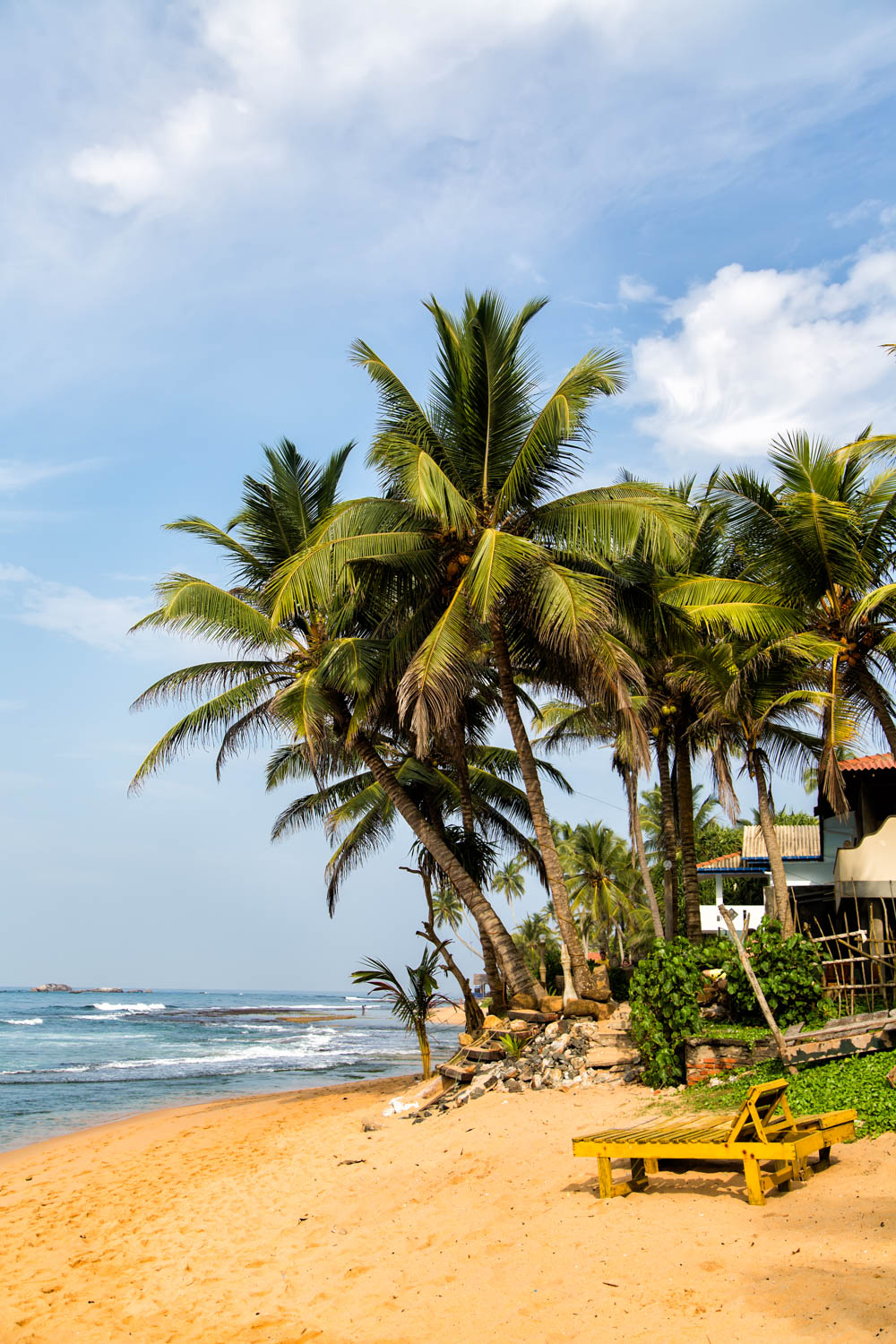
Negombo’s 10 km stretch of coastline along the western coast offers diverse beach experiences suitable for all travelers, from families to solo adventurers.
🌴 Negombo Beach
The town’s main beach is lively and picturesque, lined with hotels, cafés, and colorful fishing boats. It is a perfect spot for sunset walks, swimming during the dry season, and mingling with locals. The beach also hosts kitesurfing events from January to March, attracting water sports enthusiasts seeking thrilling adventures on the waves.
👉 Best for: Families, first-time visitors, and water sports lovers.
🌊 Lewis Place Beach
Located in the backpacker district, this beach area buzzes with energy from beach bars, pubs, and budget guesthouses. It’s a social hub where travelers gather for volleyball games, live music, and vibrant nightlife.
👉 Best for: Budget travelers and nightlife seekers.
🌅 Negombo North Beach
This quieter stretch features boutique villas and luxury retreats, offering a peaceful setting for couples and honeymooners looking for relaxation and sunbathing away from the crowds.
👉 Best for: Couples and peaceful retreats.
🐢 Kammala Beach (north of Negombo)
A less developed and more secluded beach where visitors can enjoy long walks and, occasionally, turtle sightings. Its natural beauty and tranquility make it ideal for off-the-beaten-path explorers.
👉 Best for: Nature lovers and solitude seekers.
Negombo Lagoon & Water Sports
The Negombo Lagoon, covering approximately 3,200 hectares, is a biodiversity hotspot and central to local life. Its mangroves and mudflats provide vital habitats for fish, birds, and other wildlife. The lagoon connects to the historic Hamilton (Dutch) Canal, once used for transporting cinnamon and other spices from the interior dry land to the coast.
Boat trips along the Dutch Canal often include visits to a coir factory and birdwatching opportunities, offering a unique glimpse into the region's natural and cultural heritage. Negombo is a coastal town in Sri Lanka known for its fishing village culture and seafood-centric cuisine.
Negombo Lagoon is about 10 km long and connects to the open sea through a narrow mouth, making it ideal for various water activities and wildlife viewing.
Top activities include:
- 🚤 Lagoon Boat Tours – Glide through mangrove forests, spot herons, kingfishers, cormorants, monitor lizards, and even crocodiles. These tours offer an unforgettable experience of the lagoon’s natural beauty and biodiversity.
- 🦀 Fishing Trips – Join local fishermen on traditional catamarans (oruwas) for crab fishing or to learn about age-old fishing techniques.
- 🏄 Watersports – Enjoy parasailing, windsurfing, kitesurfing (best from January to March), jet skiing, and banana boat rides along the coast.
- 🤿 Diving & Snorkeling – Explore coral reefs and shipwrecks like the Chief Dragon cargo ship, discovering vibrant marine life.
- 🛶 Kayaking – Paddle through the serene waters of the Negombo Lagoon, offering a peaceful and eco-friendly way to explore its beauty. Local boat trips sometimes include a chance to sample toddy, a traditional drink made from coconut sap, making for a unique evening activity.
Don’t miss: Muthurajawela Wetlands Safari, located south of the lagoon. This is Sri Lanka's largest salt marsh and a sanctuary for over 190 species of flora and fauna, including rare birds and reptiles. The wetlands offer a peaceful retreat for nature lovers and birdwatchers seeking relaxation and an unforgettable adventure.
Hiraz's take
Getting here
From Colombo airport (CMB), three good ways down the coast.
🚐 By Car/Taxi: Approximately 20 minutes from Bandaranaike International Airport and 45–60 minutes from Colombo, depending on traffic. Traveling from Colombo to Negombo by taxi typically takes around 30-45 minutes, depending on traffic conditions. Private drivers can also be hired for flexible travel between the two locations.
🚆 By Train: About 1 hour on the Colombo–Puttalam line. Tickets can be purchased at Colombo Fort railway station, with fares to Kattuwa (just after Negombo) costing around 80 LKR.
🚌 By Bus: Regular services run from Colombo Fort. Pre-arranged buses from the airport or Colombo to Negombo are available.
Local transport options include tuk-tuks, taxis, bicycles, and lagoon boats. Private drivers can also be hired for flexible travel.
Once you're there
How to move around once you have arrived.
Where to stay
Close in for the atmosphere, further out for the quiet.
Hotels in Negombo
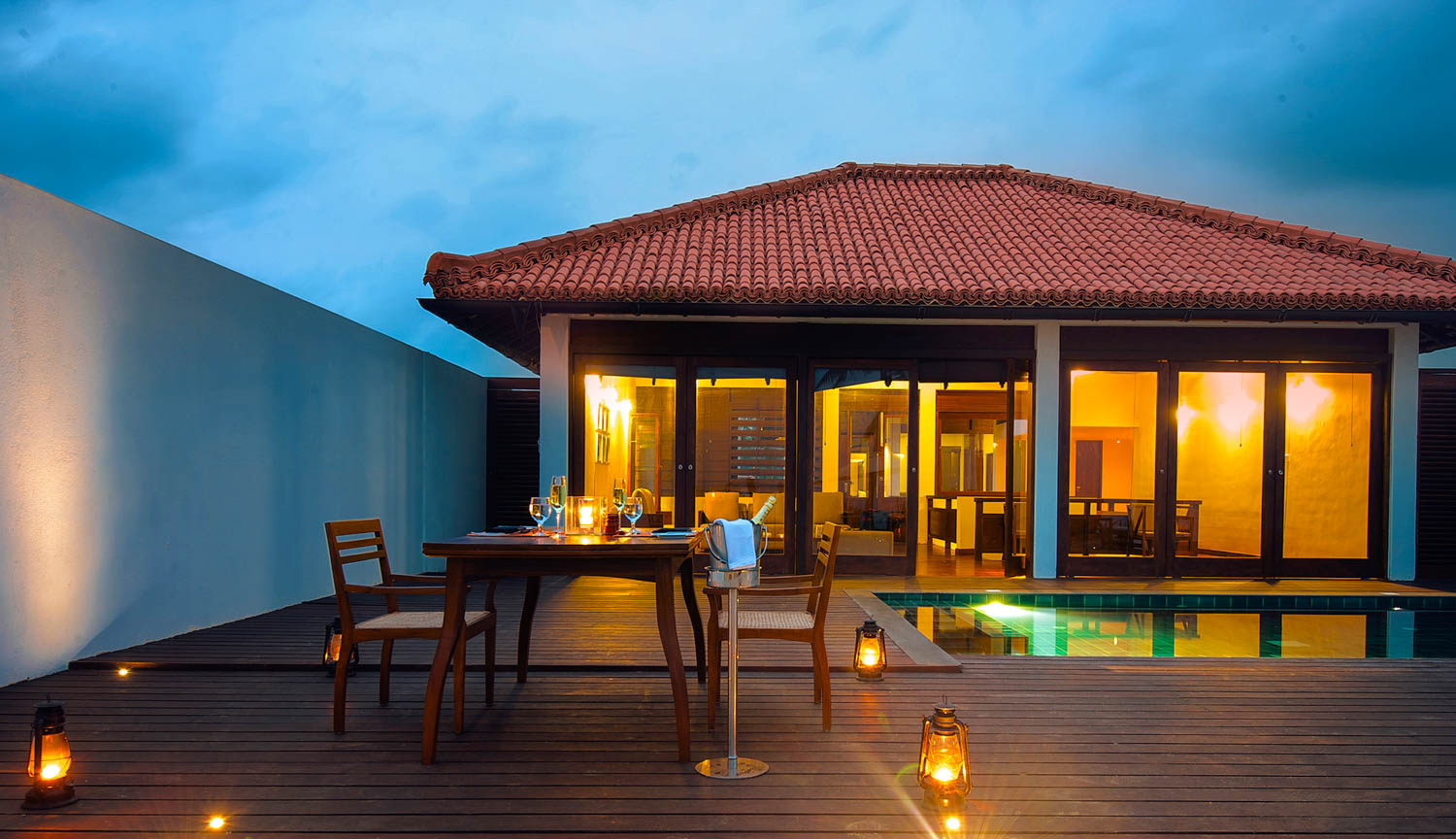
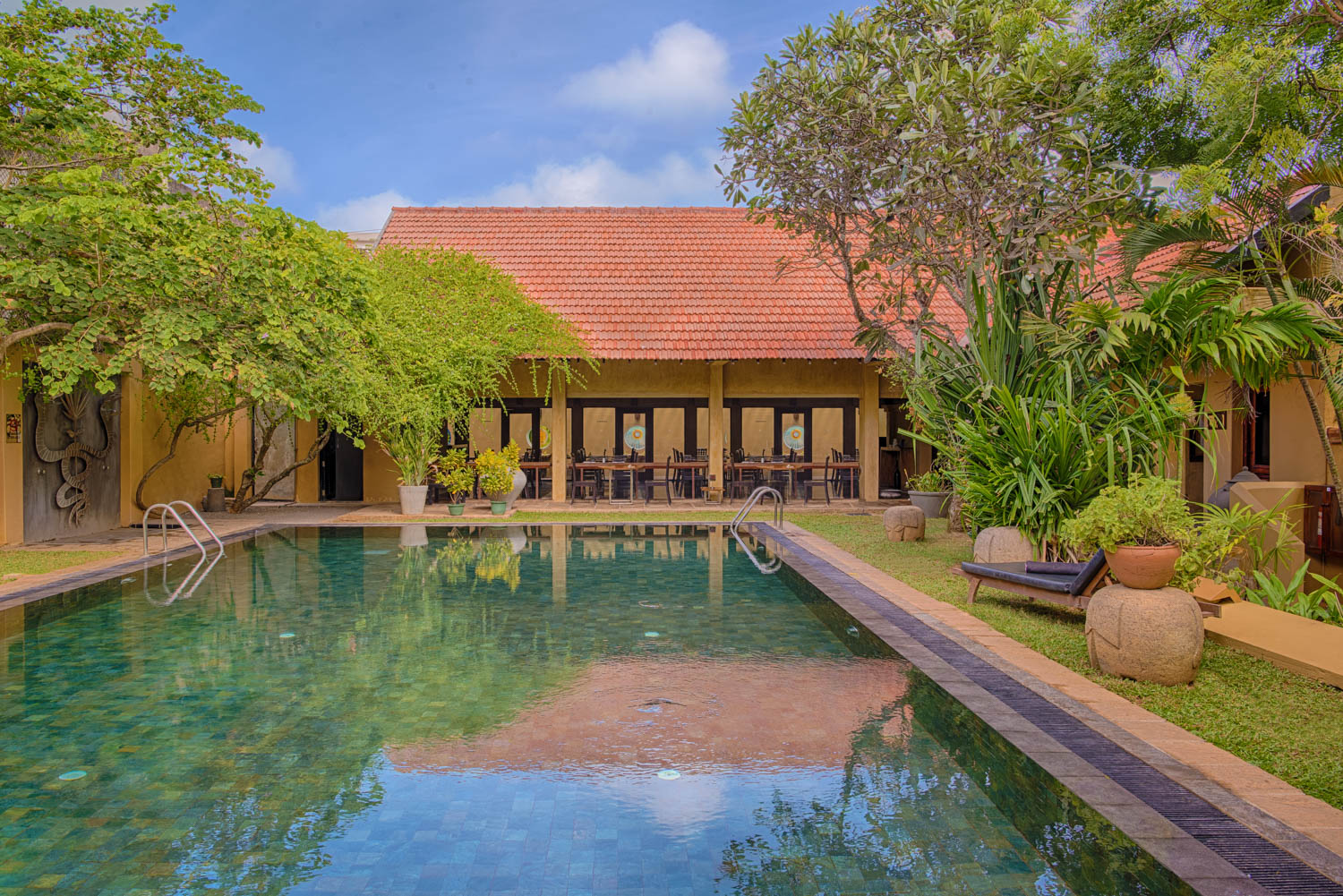
Negombo offers a wide range of accommodation options catering to all budgets and preferences, from budget hostels to luxury resorts.
Budget ($20–40):
- Guesthouses and hostels in Lewis Place, offering basic comforts and local meals.
Mid-Range ($60–150):
- Goldi Sands Hotel – Family-friendly with swimming pools and beachfront access.
- Jetwing Sea – Modern design, infinity pool, and spa facilities.
- Pledge Scape – Boutique luxury with rooftop dining.
Upmarket accommodation options are concentrated along or just off Porutota Road in the suburbs of Ettukala and Palangatura. Some budget hotels in Negombo retain a retro 1970s charm, offering a nostalgic experience for travelers. Most budget accommodation is located in the Lewis Place area at the southern end of the beach, making it a popular choice for backpackers and budget travelers.
Luxury ($200+):
- Heritance Negombo – 5-star resort with pools, bars, and entertainment.
- Jetwing Blue – Large beachfront property with multiple dining options.
- Jetwing Lagoon – Designed by Geoffrey Bawa, featuring lagoon-facing rooms and an Ayurveda spa.
Many of the larger international hotels in Negombo cater to tourists seeking proximity to the international airport.
👉 For peace and natural beauty, stay at lagoon-facing hotels; for nightlife and socializing, Lewis Place is ideal.
Where to eat
Cafés, local kitchens, and a few worth the drive.
Restaurants in Negombo
Negombo is a seafood lover’s paradise, with local markets offering fresh lagoon prawns, crabs, lobsters, and a variety of fish daily. The town’s cuisine reflects its rich spice trade history, featuring distinctive flavors from pepper, cinnamon, and other local spices. Traditional drinks like toddy, made from coconut sap, add to the authentic culinary experience. Many restaurants along the main road cater to tourists, serving both local and international dishes.
Traditional drinks like toddy, made from coconut sap, add to the authentic culinary experience. Many restaurants along the main road cater to tourists, serving both local and international dishes. Toddy is a traditional drink made from palm wine, produced from coconut sap in Negombo.
🍤 Seafood Specialties – Lagoon crab, jumbo prawns, and tuna steaks are must-tries.
🍛 Sri Lankan Curry & Rice – A staple dish with a variety of flavorful curries.
🍕 International Choices – Italian, Thai, Chinese, and Western cuisines are available.
Top Picks:
- Lords Restaurant – Renowned for seafood platters and cocktails.
- Rodeo Pub – Live music, beers, and pub fare.
- Sea View Restaurant – Local seafood with beachside views.
- Heritance & Jetwing Hotels – Upscale fine dining and buffet options.
Budget travelers can find rice and curry meals for under LKR 600.
Restaurants in Negombo
Negombo is a seafood lover’s paradise, with local markets offering fresh lagoon prawns, crabs, lobsters, and a variety of fish daily. The town’s cuisine reflects its rich spice trade history, featuring distinctive flavors from pepper, cinnamon, and other local spices. Traditional drinks like toddy, made from coconut sap, add to the authentic culinary experience. Many restaurants along the main road cater to tourists, serving both local and international dishes.
Traditional drinks like toddy, made from coconut sap, add to the authentic culinary experience. Many restaurants along the main road cater to tourists, serving both local and international dishes. Toddy is a traditional drink made from palm wine, produced from coconut sap in Negombo.
🍤 Seafood Specialties – Lagoon crab, jumbo prawns, and tuna steaks are must-tries.
🍛 Sri Lankan Curry & Rice – A staple dish with a variety of flavorful curries.
🍕 International Choices – Italian, Thai, Chinese, and Western cuisines are available.
Top Picks:
- Lords Restaurant – Renowned for seafood platters and cocktails.
- Rodeo Pub – Live music, beers, and pub fare.
- Sea View Restaurant – Local seafood with beachside views.
- Heritance & Jetwing Hotels – Upscale fine dining and buffet options.
Budget travelers can find rice and curry meals for under LKR 600.
When to go
The dry, bright window and the months to sit out.
🌞 November–April (Dry Season): Ideal for beach activities, swimming, sunbathing, water sports, and vibrant nightlife.
🌧️ May–October (Monsoon Season): Characterized by heavy rains and rough seas, but lush greenery and fewer tourists.
👉 Best overall: December–March for optimal weather and relaxation.
✨ Read our our month-by-month travel insights on best time to visit Sri Lanka for a a perfect getaway!
What it costs
Rough, honest per-person guides — we price the real thing to your dates.
Travel tips
The small things that make the difference here.
Travel Tips for Negombo
✔️ Visit the fish market at dawn for an authentic and unforgettable experience.
✔️ Dress modestly when visiting churches and temples.
✔️ Use licensed operators for lagoon tours and water sports.
✔️ Carry cash for tuk-tuks and local markets.
✔️ Stay near the airport for late-night or early-morning flights.
Travel Tips for Negombo
✔️ Visit the fish market at dawn for an authentic and unforgettable experience.
✔️ Dress modestly when visiting churches and temples.
✔️ Use licensed operators for lagoon tours and water sports.
✔️ Carry cash for tuk-tuks and local markets.
✔️ Stay near the airport for late-night or early-morning flights.
In frames
A gallery of the destination.
Common questions
Everything worth knowing before you go.
What is Negombo famous for?
Golden beaches, Negombo Fish Market, Negombo Lagoon, Catholic churches, and luxury hotels.
Is Negombo worth visiting?
Absolutely — beyond being a transit stop, it offers rich history, culture, natural beauty, and unforgettable experiences.
Can you swim in Negombo?
Yes, especially during the dry season (November to April). Some beach areas are ideal for swimming and sunbathing.
What are the top things to do?
Visit the fish market, enjoy lagoon safaris, explore the Dutch Canal, tour churches and temples, and relax on the beach.
Is Negombo family-friendly?
Yes — calm resorts, lagoon tours, and cultural attractions make it suitable for all ages.
Where should I stay?
Luxury: Heritance Negombo, Jetwing Lagoon. Mid-range: Jetwing Sea, Goldi Sands. Budget: Lewis Place guesthouses.
How far is Negombo from Colombo Airport?
Only about 20 minutes by car.
Sources and checked
Make it yours.
Tell us what pulls at you and we'll thread this journey into one private itinerary — sent back on a live link within 24 hours.