Trincomalee
Written by the Sithiyam Travel team in Colombo
Trincomalee's combination of natural beauty, historical significance, and cultural diversity creates a compelling destination that caters to a wide range of interests. Whether it's lounging on pristine beaches, exploring underwater worlds, or delving into the city's ancient heritage, Trincomalee provides an idyllic setting for both adventure and relaxation.
 Sri Lanka
Overview
What makes this place worth the journey.
Why Visit Trincomalee?
Trincomalee in Sri Lanka (often called “Trinco” by locals) is one of the island’s most spectacular coastal cities. Known for its pristine beaches, rich cultural history, and vibrant marine life, it’s a must-visit for travelers who want to experience a different side of Sri Lanka beyond the southern coast. Trincomalee is a historic coastal city in Sri Lanka known for its large natural harbor and beautiful beaches like Nilaveli and Uppuveli. It is also a hub of Tamil culture and has ancient roots as a trading port.
Unlike Colombo or Galle, Trincomalee offers a slower pace, fewer crowds, and a blend of Buddhist and Hindu heritage, making it culturally diverse as well as naturally stunning. Whether you’re diving with reef sharks, whale watching at dawn, or wandering through centuries-old temples, Trincomalee combines relaxation with adventure. Its laidback vibe sets it apart from the more touristy beaches in the south of Sri Lanka, making it a nice place for those seeking paradise by the shore.
How many nights, and where it fits
Counted off the routes we actually sell, not guessed.
Is it worth basing here?
Some towns are a lunch stop, not a base. We say which.
Conclusion
With its golden beaches, world-class diving, whale watching, and ancient temples, Trincomalee in Sri Lanka offers a perfect blend of relaxation, adventure, and culture.
Whether you’re sunbathing on Nilaveli Beach, snorkeling at Pigeon Island, or praying at Koneswaram Temple, Trinco is a destination that delivers unforgettable experiences.
Plan your journey with Sithiyam and discover the best of Sri Lanka’s eastern coast in 2026.
What to do
The place itself, then everything around it opens up.
.jpeg)

Top Attractions & Things to Do in Trincomalee
Beyond the beaches, Trincomalee offers plenty of cultural and historical attractions. The Shri Pathrakali Amman Kovil, dedicated to the goddess Bhadrakali, is a significant Hindu temple reflecting local Tamil architecture.
Koneswaram Hindu Temple
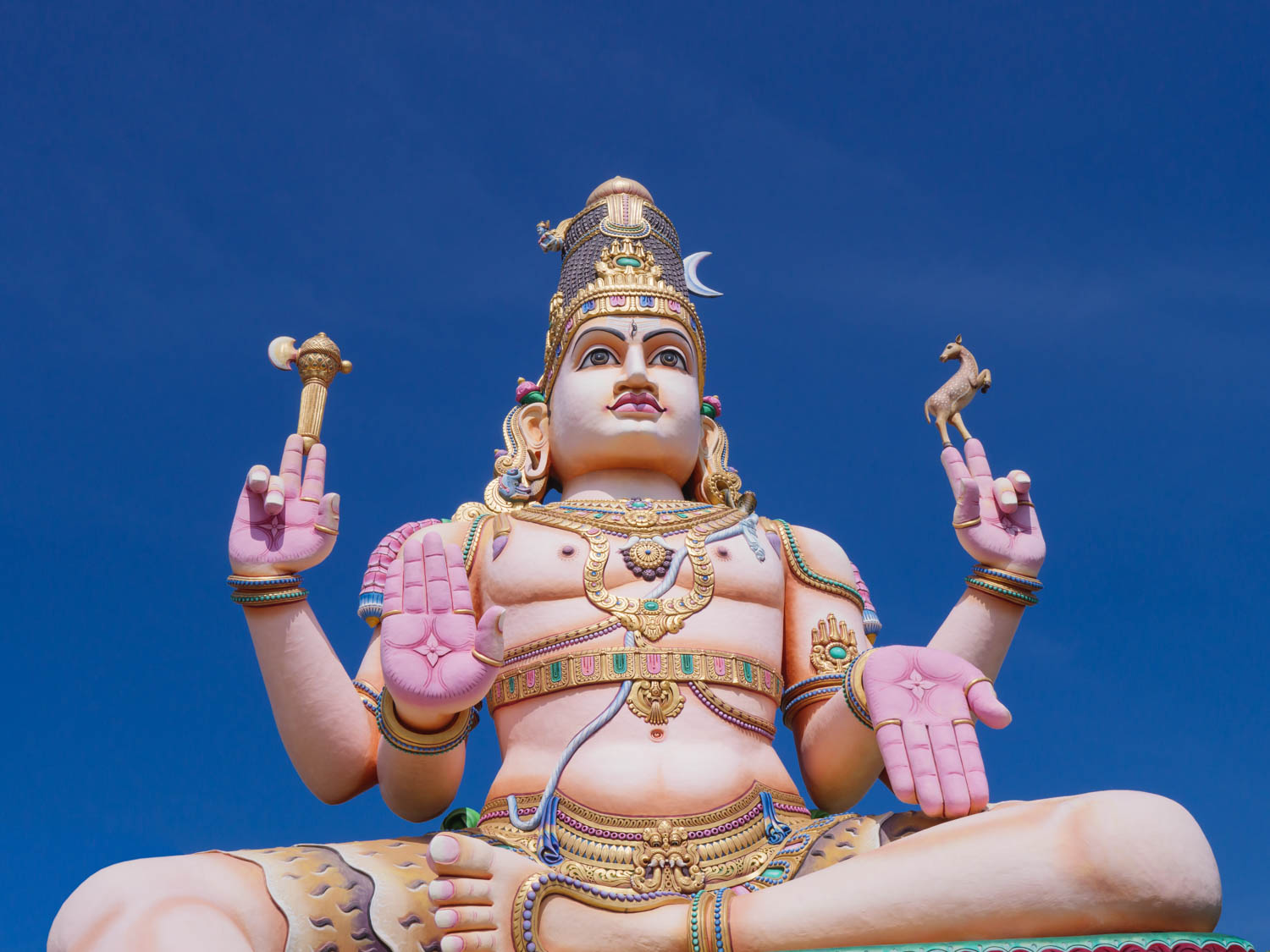
Dedicated to Lord Shiva, this temple is perched on a cliff with breathtaking views of the Indian Ocean. The temple is especially vibrant during Ther Thiruvila, its annual chariot festival. Koneswaram Temple is believed to date back to 400 BC, making it one of the most ancient and revered Hindu temples in Sri Lanka. The temple features multiple small shrines, a prayer hall, and a large Shiva statue, adding to its spiritual and architectural significance. The entrance to Koneswaram Temple is free but requires respectful dress.
Fort Frederick
Explore colonial history and enjoy panoramic views of Trincomalee Bay. Wild deer often wander the fort grounds, adding to its charm.
Maritime & Naval History Museum
Located near the harbor, this museum showcases Sri Lanka’s naval history, including ancient trade routes and colonial wars.
Best Beaches in Trincomalee
Trincomalee is famous for its east coast beaches, often considered quieter and more pristine than Sri Lanka’s south coast. It is also considered one of Sri Lanka's most underrated beach destinations, offering amazing spots for both relaxation and adventure.
Nilaveli Beach
One of the most famous Trincomalee beaches, Nilaveli is a postcard-perfect stretch of golden sand lined with palm trees. It’s ideal for swimming, sunbathing, and boat trips to nearby Pigeon Island National Park, a snorkeling hotspot. Pigeon Island is the most popular place for snorkeling in Trincomalee. Nilaveli Beach is considered one of the most beautiful beaches in Sri Lanka, offering seclusion and pristine sands. Both Nilaveli and Uppuveli Beaches are known for their white sands, clear turquoise waters, and are ideal for swimming and snorkeling. The entrance fee for Pigeon Island National Park is approximately 3000 to 4000 rupees per person. Boat trips to Pigeon Island cost around 2000 rupees for a boat that accommodates 6-7 people.
Visitors looking for luxury hotels will find excellent options in Nilaveli, with beach resorts offering infinity pools, spa facilities, and direct beach access. Staying at a Nilaveli beach hotel provides a tranquil escape with breathtaking sea views and easy access to snorkeling and diving adventures.
Uppuveli Beach
Closer to the city, Uppuveli is known for its laid-back vibe, guesthouses, and beach bars. It’s a hub for backpackers and mid-range travelers looking for a balance between comfort and authenticity. Uppuveli Beach is also a popular area for accommodation, offering a range of options for different budgets. The beach is a favorite among visitors for its relaxed atmosphere and accessibility to local amenities. Nilaveli Beach offers more secluded accommodation options compared to Uppuveli.
Uppuveli is also famous for its sunset drinks scene, with several beachfront bars where most people gather in the evening to enjoy cocktails while watching the sun dip below the horizon. Fernando’s Bar is one of the best places for Uppuveli beach sunset drinks, combining a lively atmosphere with beautiful views.
Marble Beach
Managed by the Sri Lankan Air Force, Marble Beach is a hidden gem with crystal-clear waters and excellent swimming conditions. Entry is regulated, making it cleaner and quieter than other beaches. This nice place is ideal for visitors who want to enjoy a peaceful day by the water with fewer crowds.
Dutch Bay Beach
Another beautiful and calm spot in Trincomalee, Dutch Bay Beach is especially popular with locals during weekends. Its calm waters make it perfect for swimming and relaxation, providing a more authentic experience away from tourist-heavy areas.
Water Adventures in Trincomalee
For ocean lovers, Trincomalee things to do go beyond lounging on the sand. The Kanniya Hot Springs in Trincomalee consists of seven square-shaped wells, each containing water at different temperatures, providing a unique natural spa experience.
- Diving: Trincomalee is one of the top diving spots in Sri Lanka, with shipwrecks, coral reefs, and abundant marine life. Dive centers offer PADI certifications and trips for all levels. Many diving schools in Trincomalee offer PADI scuba diving courses for beginners and advanced divers. Scuba diving around Trincomalee is best from April to September. Popular diving sites near Trincomalee include Pigeon Island, Swami Rock, and the HMS Hermes shipwreck. The cost for two boat dives in Trincomalee is about 70 USD.
- Snorkelling: Pigeon Island National Park is the crown jewel for snorkeling, where you can spot reef sharks, turtles, and colorful corals. Snorkeling gear rental typically costs around 500-600 rupees per day.
- Whale Watching: From May to October, Trincomalee is one of the best places in the world to spot blue whales and sperm whales. Dolphin-watching tours are also popular in the same season. Whale watching tours can be booked in the morning, offering a chance to witness these majestic creatures in their natural habitat.
Why come here
The reasons travellers book around this place.
History & Cultural Heritage
Trincomalee is one of the oldest cities in Asia, with historical references dating back more than 2,500 years. Its deep natural harbor has made it a strategic naval point for Portuguese, Dutch, French, and British colonizers. During World War II, Trincomalee served as a vital Allied naval base and was targeted by Japanese forces in 1942. The local Trincomalee Fish Market offers visitors a vibrant experience of the local community, showcasing the daily life of fishermen and a variety of fresh seafood.
- Fort Frederick: Built by the Portuguese in the 17th century, later expanded by the Dutch and British. Today, it’s still an army garrison but open to visitors, offering stunning ocean and sea views and glimpses of wild deer roaming freely. Fort Frederick houses the famous Hindu temple, Koneswaram Temple, at its end. The fort was taken over by the Dutch and then the British, showcasing its historical significance. Fort Frederick features well-preserved fortified walls and ruins of former outposts, adding to its historical charm. Visitors can also enjoy views of the sea and observe local wildlife, making it a must-visit historical site in Trincomalee. Fort Frederick is currently occupied by the Sri Lankan military.
Hiraz's take
Getting here
From Colombo airport (CMB), three good ways down the coast.
Once you're there
How to move around once you have arrived.
Getting Around & Tours
- Tuk-tuks: Best for short distances.
- Scooter rentals: Popular for beach hopping.
- Private drivers: Recommended for day trips to Sigiriya, Polonnaruwa, or Dambulla.
- Trincomalee tours: Organized excursions include diving, whale watching, and temple visits. Fernando's Bar is a popular spot for sunset drinks at Uppuveli Beach.
Where to stay
Close in for the atmosphere, further out for the quiet.
Where to Stay in Trincomalee
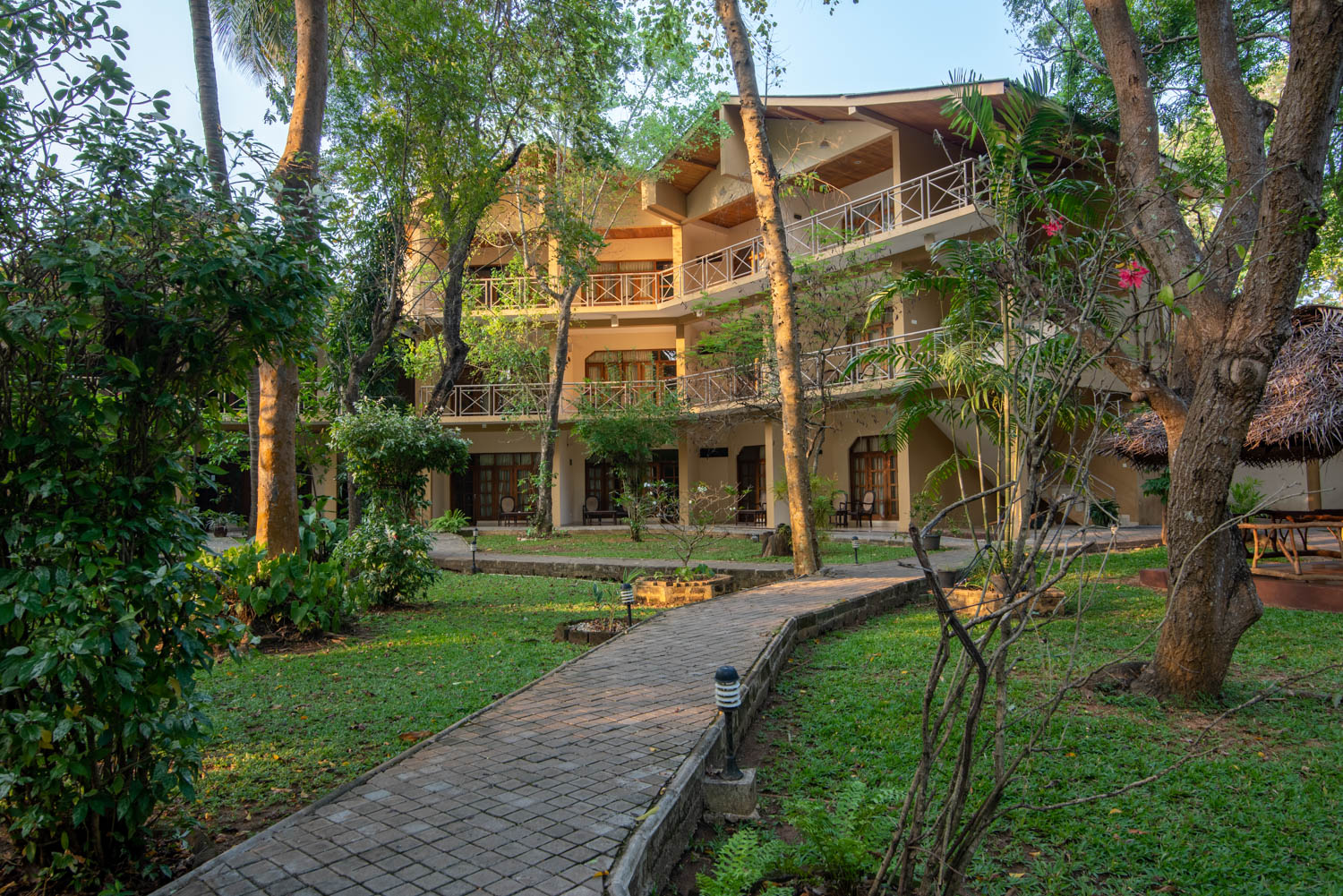
From budget guesthouses to luxury beach resorts, Trincomalee offers accommodation for every traveler.
- Budget ($20–50): Guesthouses near Uppuveli Beach. The White House is a budget guesthouse in Uppuveli starting from AU$16 per night. Oceanic White House in Nilaveli offers budget accommodations with double rooms starting from AU$20 per night. The Social Shack is a budget backpackers hostel in Trincomalee.
- Mid-range ($80–150): Comfortable beach hotels with pools and ocean views. Golden Beach Cottages is a mid-range accommodation option in Uppuveli with prices starting at AU$40 per night. The Blue Sands is a mid-range hotel located right on the beach in Trincomalee.
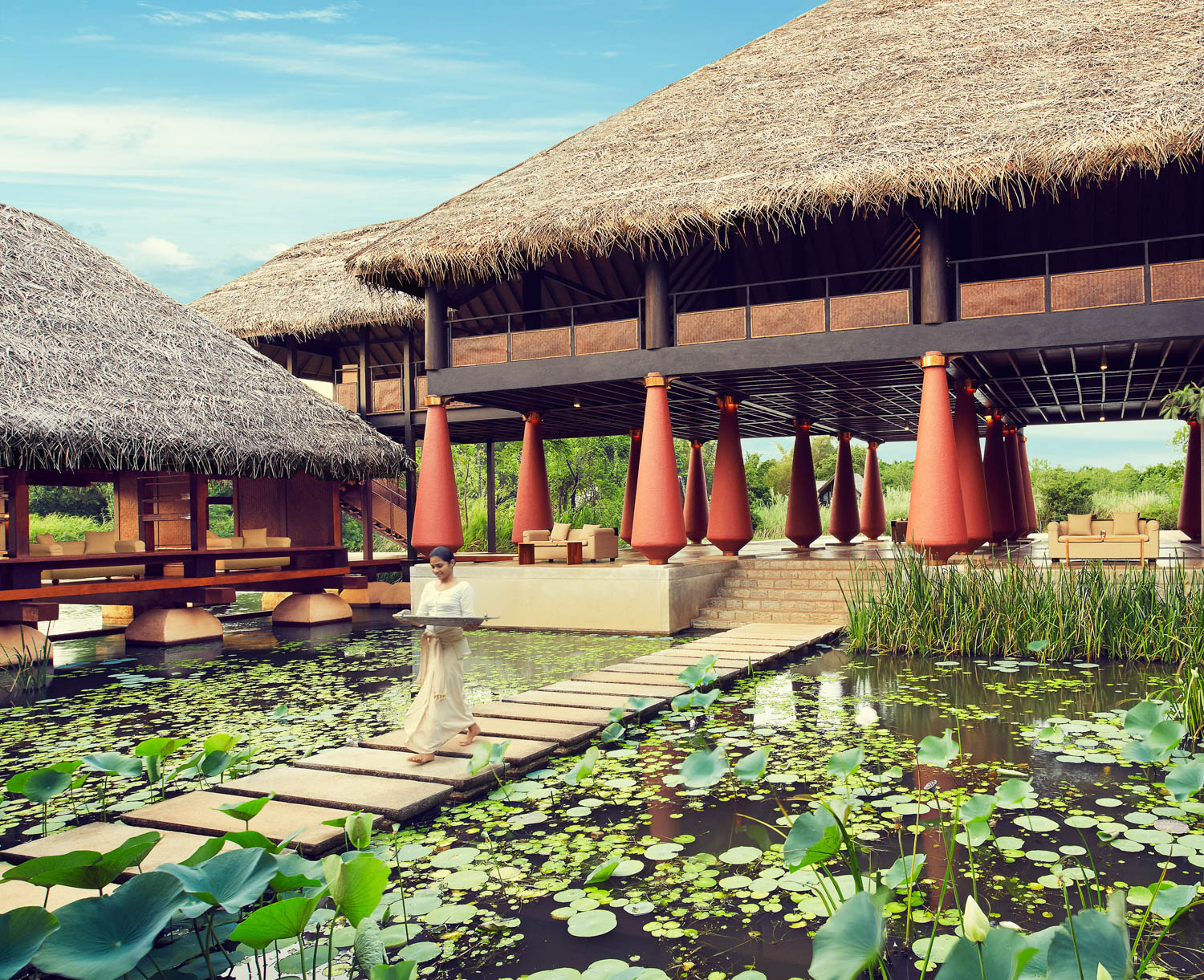
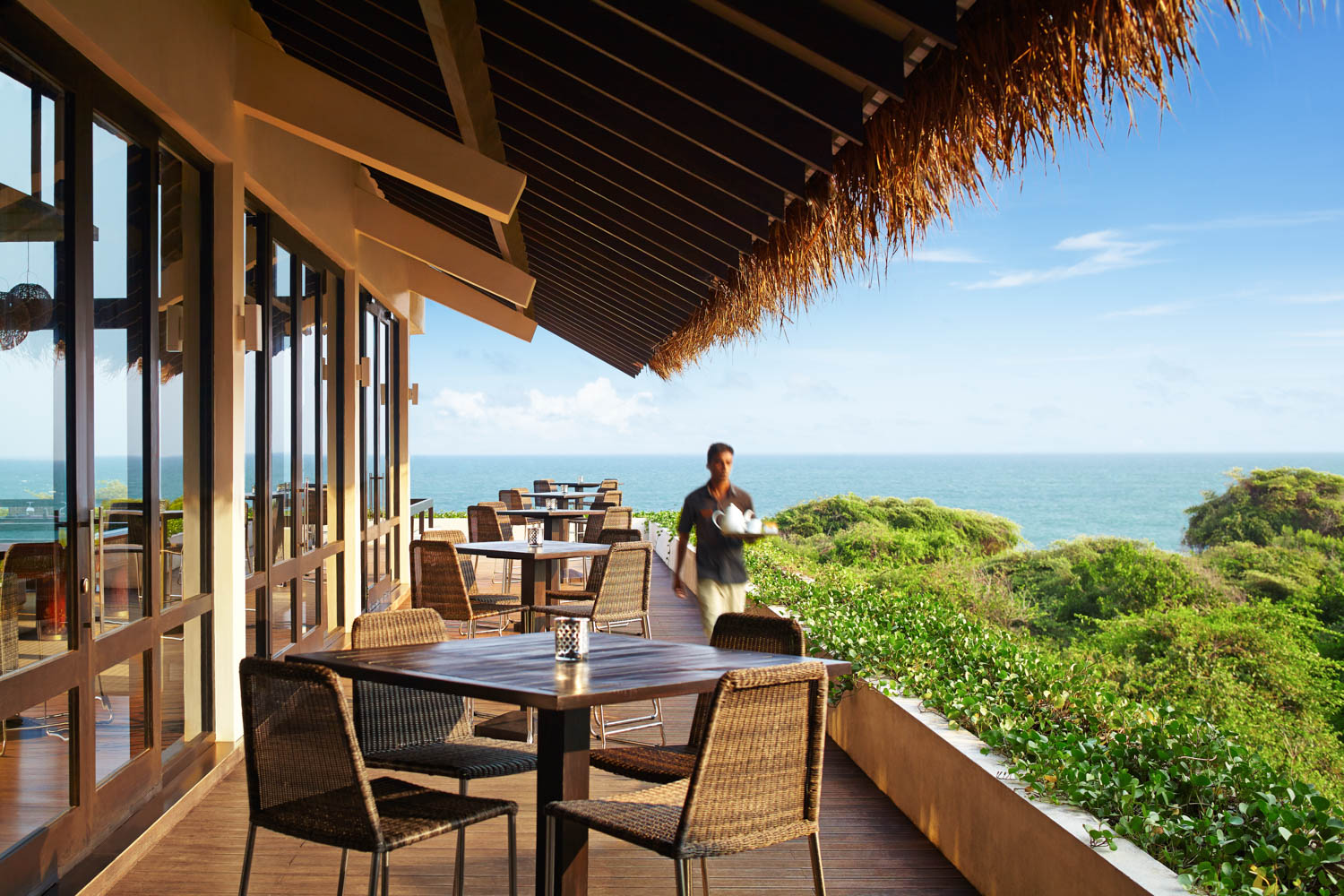
- Luxury ($200+): Resorts in Nilaveli with direct beach access, infinity pools, and spas. Villa Nilaveli Cabana offers luxury accommodations on the beachfront in Nilaveli starting from AU$120 per night. Amaranthe By Resort & Spa is a luxury accommodation option that features a massive pool and high-quality dining.
Many accommodations offer air conditioning and hot water, ensuring comfort for travelers. Most hotels are within walking distance of the beach, making it easy to enjoy the sun and sand daily.
Where to eat
Cafés, local kitchens, and a few worth the drive.
Food & Restaurants in Trincomalee
Trincomalee’s cuisine is heavily influenced by its Tamil heritage and coastal location. The local fish market in Trincomalee showcases plenty of seafood, including dried fish, which is a popular Sri Lankan delicacy.
- Seafood: Fresh crab, prawns, and fish curries are specialties. Seafood dining is a highlight in Trincomalee, with many visitors enjoying fresh catches from local eateries.
- Local Restaurants: Tamil rice & curry, kottu roti, and hoppers. Affordable local restaurants offering delicious food can be found along Sarvodaya Road, close to Uppuveli Beach.
- Beach Cafés: Western-style menus for tourists at Uppuveli and Nilaveli. Trincomalee offers a mixture of Sri Lankan and Western food at beachfront bars and local restaurants. Ralla Restaurant is known for serving seafood platters at reasonable prices near Marble Beach.
Popular dining spots include Fernando’s Bar (beachfront) and local curry houses in Trinco town. Many travelers enjoy a hearty breakfast at local cafés before heading out to explore.
Food & Restaurants in Trincomalee
Trincomalee’s cuisine is heavily influenced by its Tamil heritage and coastal location. The local fish market in Trincomalee showcases plenty of seafood, including dried fish, which is a popular Sri Lankan delicacy.
- Seafood: Fresh crab, prawns, and fish curries are specialties. Seafood dining is a highlight in Trincomalee, with many visitors enjoying fresh catches from local eateries.
- Local Restaurants: Tamil rice & curry, kottu roti, and hoppers. Affordable local restaurants offering delicious food can be found along Sarvodaya Road, close to Uppuveli Beach.
- Beach Cafés: Western-style menus for tourists at Uppuveli and Nilaveli. Trincomalee offers a mixture of Sri Lankan and Western food at beachfront bars and local restaurants. Ralla Restaurant is known for serving seafood platters at reasonable prices near Marble Beach.
Popular dining spots include Fernando’s Bar (beachfront) and local curry houses in Trinco town. Many travelers enjoy a hearty breakfast at local cafés before heading out to explore.
When to go
The dry, bright window and the months to sit out.
The best time to visit Trincomalee is May to October, when the seas are calm, skies are clear, and it’s prime season for whale watching. However, the dry season in the region starts earlier, making April to September an excellent time to explore the area.
- May–Oct: Peak beach and diving season; whale watching tours in full swing.
- Nov–Apr: Off-season with occasional rains; fewer tourists, but rough seas.
👉 Pro Tip: If your focus is whale watching and beach holidays, plan between June and August.
✨ Read our our month-by-month travel insights on best time to visit Sri Lanka for a a perfect getaway!
What it costs
Rough, honest per-person guides — we price the real thing to your dates.
Travel tips
The small things that make the difference here.
Travel Tips for Visiting Trincomalee
- Pack reef-safe sunscreen for snorkeling and diving.
- Book whale watching tours in advance during peak season.
- Respect cultural etiquette at Hindu temples (remove shoes, dress modestly).
- ATM access is limited — carry some cash for tuk-tuks and street food.
Travel Tips for Visiting Trincomalee
- Pack reef-safe sunscreen for snorkeling and diving.
- Book whale watching tours in advance during peak season.
- Respect cultural etiquette at Hindu temples (remove shoes, dress modestly).
- ATM access is limited — carry some cash for tuk-tuks and street food.
In frames
A gallery of the destination.
Common questions
Everything worth knowing before you go.
What is Trincomalee famous for?
Beaches (Nilaveli, Uppuveli, Marble), whale watching, and Koneswaram Temple.
When is the best time to visit Trincomalee?
May–October for beaches, diving, and whale watching.
Can you see whales in Trincomalee?
Yes, blue whales and sperm whales are spotted between May and October.
Is Trincomalee good for diving?
Yes, it’s one of Sri Lanka’s top diving spots with shipwrecks and coral reefs.
Where should I stay in Trincomalee?
Nilaveli for luxury resorts, Uppuveli for mid-range and budget travellers.
How far is Trincomalee from Colombo?
260 km (6–7 hours by car, train, or bus).
Is Trincomalee family-friendly?
Calm beaches, safe swimming spots, and cultural sites make it suitable for all ages.
Sources and checked
Make it yours.
Tell us what pulls at you and we'll thread this journey into one private itinerary — sent back on a live link within 24 hours.