Colombo
Written by the Sithiyam Travel team in Colombo
Colombo: what one well-planned day looks like, which neighbourhood to stay in, how bad the traffic really is, and airport timings.
 Sri Lanka
Overview
What makes this place worth the journey.
Should You Actually Spend Time in Colombo?
Most Sri Lanka guides tell you to get through Colombo as fast as possible — land, sleep one night, drive to Kandy or the south coast the next morning. There's a reason for that advice: Colombo isn't Galle Fort or Sigiriya, and if you spend your one day here waiting for a "sight" the way you would at a temple or a rock fortress, you'll be disappointed. It's a working capital city, not a curated tourist stop, and a lot of it is traffic, offices and ordinary streets that don't photograph well.
That's the honest starting point. But treat Colombo as a city to spend a day in — walking a neighbourhood, eating well, watching the city relax at sunset — rather than a checklist of monuments, and it earns its place. The mistake most visitors make isn't spending time in Colombo; it's spending the wrong few hours here, stuck in traffic between spread-out sights with no plan.
One Good Day in Colombo
If you only get one day, this is roughly how to spend it. Start early, before the heat and the traffic build: a couple of hours in Pettah Market from around 08:30, while it's at its freshest and least crowded — Colombo's working wholesale bazaar, chaotic and specific, one trade to a street. Follow it with the quieter Colombo National Museum and a walk through Viharamahadevi Park opposite Town Hall, an easy cluster in Cinnamon Gardens. Add Independence Memorial Hall nearby if you're already in the area — it's a 15–20 minute stop, not a destination on its own. Break for lunch somewhere with air conditioning; midday in Colombo is genuinely too hot and too bright to be outdoors doing much else.
Keep the evening for Galle Face Green: arrive by 16:30, buy a kite, work through the food carts, and watch Colombo's sunset ritual play out with the rest of the city rather than a tour group. That sequence — market, museum cluster, sunset green — is a genuinely good Colombo day, and it's the version of the city the "just skip it" advice doesn't account for.
What doesn't belong on that list, unless you have real specialist interest: an extra half-day of gem shops, a temple tour that spends most of its time in traffic, or a second full day in Fort looking at colonial buildings from outside businesses that are shut. Colombo rewards one well-planned day far more than it rewards a loosely-planned two.
How many nights, and where it fits
Counted off the routes we actually sell, not guessed.
Is it worth basing here?
Some towns are a lunch stop, not a base. We say which.
Colombo isn't Sri Lanka's headline destination, and it doesn't need to pretend to be one. Treat it as a single well-planned day — a market morning, a museum cluster, a sunset on Galle Face Green — and it holds its own against the "just skip it" advice that most guides default to. Treat it as a loose two days with no plan, or expect it to feel like Galle or Kandy, and you'll come away thinking the sceptics were right. Go for the day it actually is, pick your neighbourhood on purpose, and respect the traffic, and Colombo is a genuinely good way to open or close a Sri Lanka trip.
What to do
The place itself, then everything around it opens up.
-2.jpeg)
What's Actually Worth It in Colombo
Colombo's individual sights are mostly modest on their own — this is a city best experienced as a whole day, not sight by sight — but a handful are worth building a route around.
- Pettah Market — Colombo's working wholesale bazaar: loud, hot, crowded, and a genuine pickpocket risk if you're careless with a bag, but the most honest look at how the city actually trades.
- Galle Face Green — a seafront lawn that means nothing at 2pm and everything at sunset: kites, street food, and the city's evening ritual rather than a monument.
- Colombo National Museum — the country's main museum, with royal regalia and colonial-era exhibits set in banyan-shaded grounds; reckon on an hour or two, not a quick look.
- Independence Memorial Hall — a Kandyan-style monument marking 1948 independence; free, and worth 15–20 minutes if you're already in Cinnamon Gardens, not a special trip.
- Viharamahadevi Park — the city's largest park, with a gold Buddha statue facing the colonial Town Hall and a dated mini zoo best skipped; thirty to forty-five minutes, paired with the museum next door.
- Sri Lanka Gem and Jewelry Museum — a small showroom-museum run by the national gem authority; free, niche, and worth knowing about mainly so you can tell it apart from the touristy "gem museum" shops elsewhere in the city that pressure visitors to buy stones.
- Mount Lavinia Beach — Colombo's closest proper beach, with a railway station built right on the sand and a seafood strip known as the Golden Mile; currents and crowds make it more of a sunset-and-dinner stop than a swimming beach for most visitors.
The Food
Colombo is where Sri Lanka's food scene concentrates, and it's worth building time around eating rather than treating meals as a break between sights. Short eats — rolls, cutlets, samosas — are sold everywhere from bakeries to hotel counters for a snack between stops. Kottu, the chopped roti stir-fry, is Colombo's late-evening comfort food, found at casual local spots across Kollupitiya and Bambalapitiya. At the top end, the Old Dutch Hospital in Fort is a restored 17th-century building turned restaurant and shopping precinct, home to Ministry of Crab, a globally ranked seafood restaurant founded by two former Sri Lankan cricket captains — worth booking ahead if crab is the point of your evening.
If You Have an Extra Day in Colombo
🐟 Negombo (45 min): A beach town with a working fish market near the airport — a better base than Colombo itself if your flight times bookend the trip.
🛕 Kelaniya Raja Maha Vihara (30 min): An active Buddhist temple on the Kelani River, less visited by tour groups than the city-centre sights, with vivid ceiling murals.
🏛️ Sri Jayawardenepura Kotte (30 min): Sri Lanka's official capital and parliament building — mostly of interest if you want the "which city is actually the capital" trivia answered in person, rather than a must-see stop.
Most visitors don't need a dedicated day trip from Colombo. The city works better as the start or end of a wider Sri Lanka route than as a base to explore from.
Why come here
The reasons travellers book around this place.
Hiraz's take
Getting here
From Colombo airport (CMB), three good ways down the coast.
Getting To and From Bandaranaike Airport
Colombo's Bandaranaike International Airport (CMB) sits at Katunayake, roughly 30 km north of the city centre, connected by the Colombo–Katunayake Expressway. Off-peak, a private car covers it in about 30–40 minutes; during Colombo's morning or evening rush, the same trip can take well over an hour, so build in a genuine buffer rather than timing a transfer to the minute.
A private car or pre-booked taxi is what we recommend and what most visitors use — door-to-door, and the only realistic option with luggage. Airport coaches run a fixed route into the city for less, on a slower, scheduled timetable. There's no direct rail line from the airport itself, and tuk-tuks are banned from the expressway entirely, so they aren't a viable way to cover the distance even though they're the default for short hops inside the city.
For a departing flight: if you're leaving during evening rush hour (roughly 16:45–18:30), allow at least 2–2.5 hours to the airport rather than the usual check-in-window-plus-40-minutes calculation — the drive itself can eat most of that buffer on a bad traffic day.
Once you're there
How to move around once you have arrived.
Colombo's sights are spread across several districts, not walkable to each other, so budget transport time as part of the plan rather than an afterthought. Three practical options cover most of it: a tuk-tuk or a ride-hailing app for anything under 20 minutes, a car with a driver for a day covering multiple areas, and the suburban train line for a handful of specific routes — notably Fort to Mount Lavinia, which is often faster than a car during peak hours because it isn't stuck in the same traffic.
Walking works within a single neighbourhood — inside Pettah, around the Cinnamon Gardens museum cluster, or along Galle Face Green — but not between them; the distances and the heat both work against it.
Where to stay
Close in for the atmosphere, further out for the quiet.
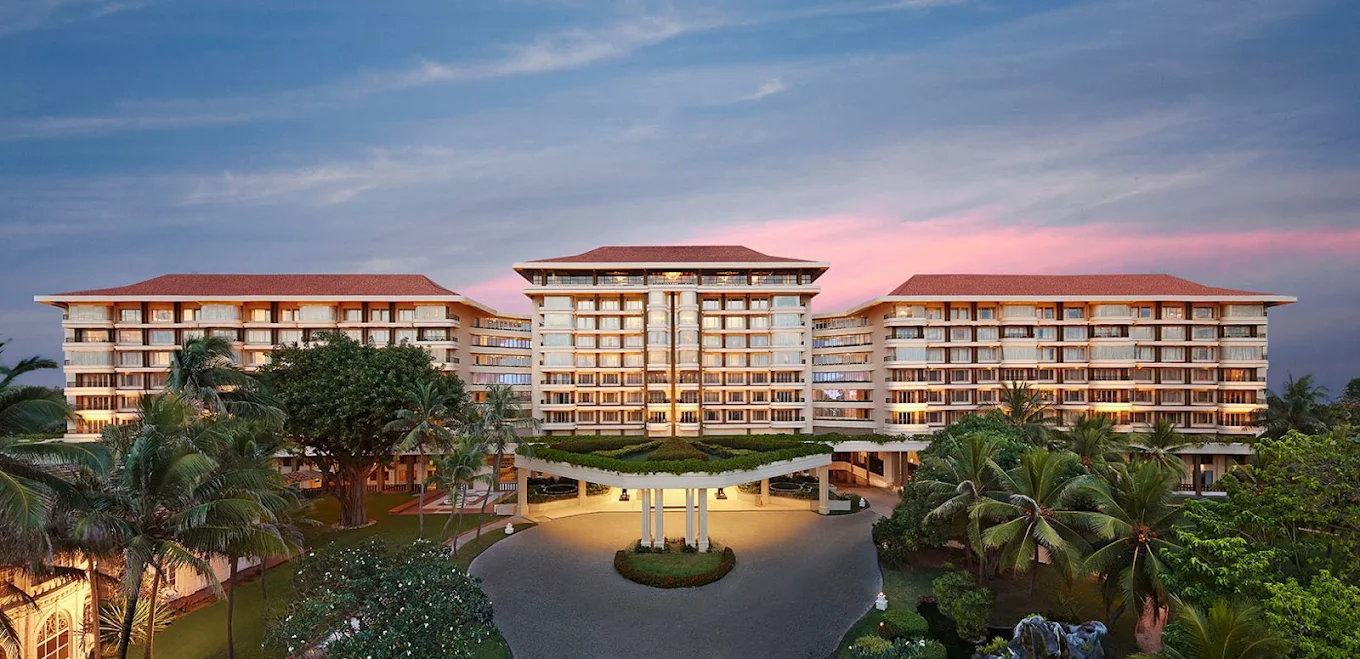
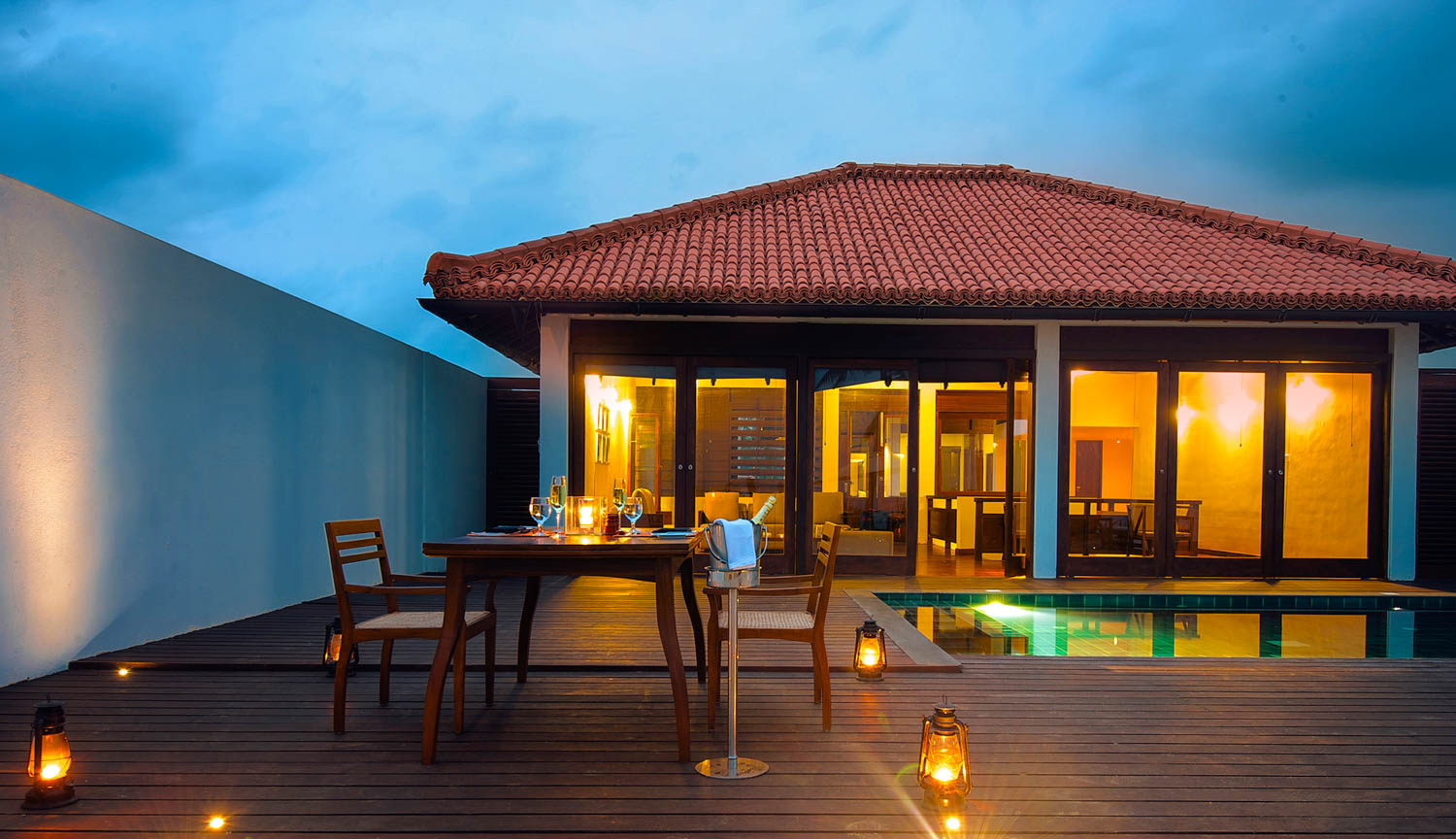
Where to Stay in Colombo, and Why
Which neighbourhood you pick changes the trip more than which specific hotel you book, because Colombo is spread out and the traffic between areas is real. Four areas cover most visitors.
Fort (Colombo 1) — the old colonial and commercial core, and the practical choice if you're catching an early train from Colombo Fort Railway Station or need to be near the harbour and financial district. It empties out once offices close, so it's quieter at night than it looks by day, and it's walking distance from Pettah and the Old Dutch Hospital's restaurants.
Kollupitiya (Colombo 3) — the default choice for most first-time visitors: central, close to Galle Face Green, with the widest range of hotels from guesthouses to five-star, and restaurants and shops open into the evening. If you only remember one area name, this is it.
Cinnamon Gardens (Colombo 7) — the leafiest, quietest central district: wide roads, embassies, colonial-era houses, and the National Museum, Viharamahadevi Park and Independence Square all within walking distance of each other. Good for families or anyone who wants Colombo without Colombo's noise, at the cost of a longer tuk-tuk ride to the seafront in the evening.
Mount Lavinia — a seaside suburb south of the centre, with its own beach, a colonial-era hotel above the waves, and a seafood strip locals call the Golden Mile. It's the right base if a beach evening matters more than being central — but budget 30–45 minutes each way into the city centre depending on traffic, and the train, since Mount Lavinia has its own station, is often faster than a car at busy times.
For a single night either side of a flight, Kollupitiya or Fort make the most sense — both keep you close to what little time you'll actually have. For two nights or more, Cinnamon Gardens or Mount Lavinia are worth the slightly longer rides for a calmer stay.
.jpeg)
Where to eat
Cafés, local kitchens, and a few worth the drive.
When to go
The dry, bright window and the months to sit out.
What it costs
Rough, honest per-person guides — we price the real thing to your dates.
Travel tips
The small things that make the difference here.
In frames
A gallery of the destination.
Common questions
Everything worth knowing before you go.
Is Colombo worth visiting, or should I skip it?
It is worth one well-planned day rather than a rushed half-day or a skipped stopover. Colombo has few standalone monuments, but a morning in Pettah Market, a museum cluster in Cinnamon Gardens, and sunset at Galle Face Green add up to a good day.
How many days do you need in Colombo?
One full day covers the city well for most visitors. A second day only pays off if you specifically want a beach evening at Mount Lavinia or more time in the food scene.
Which neighbourhood should I stay in?
Kollupitiya suits most first-time visitors — central, close to Galle Face Green, with hotels at every budget. Fort suits an early train departure, Cinnamon Gardens suits a quieter stay near the museum and park, and Mount Lavinia suits anyone who wants a beach evening.
How bad is Colombo traffic, really?
Bad at peak times. The evening rush from roughly 17:00 to 18:30 can more than triple travel times on some routes, and suburban traffic can stay heavy until nearly 20:00. Plan around 07:30–09:15 and 16:45–18:30 rather than through them.
How do I get from the airport to Colombo without missing my flight?
Allow 45–90 minutes each way by private car on the Katunayake Expressway depending on the time of day, and add a buffer for a departure during evening rush hour — a trip that takes 35 minutes off-peak can take well over an hour in peak traffic. Tuk-tuks are banned from the expressway.
Is Colombo safe to walk around at night?
Well-lit, busy areas like Galle Face Green and central Kollupitiya are generally fine with ordinary care. Book return transport in advance rather than trying to find a tuk-tuk on an empty street.
What's the best time of year to visit Colombo?
December to March, the driest, sunniest stretch of the year. April and October–November bring the heaviest short-burst monsoon rain, and May to September is wetter and more humid.
Sources and checked
Make it yours.
Tell us what pulls at you and we'll thread this journey into one private itinerary — sent back on a live link within 24 hours.