Galle Face Green
Written by the Sithiyam Travel team in Colombo
-2.jpeg) Sri Lanka
Sri LankaOverview
What makes this place worth the journey.
What Galle Face Green Actually Is
Galle Face Green is a stretch of open lawn on the Indian Ocean, right at the edge of Colombo's Fort district. It is not a monument, a museum or a paid attraction — it's a public park, and most days it looks like one: joggers in the morning, a few food carts at midday, and almost nothing to see if you turn up at 2pm expecting a landmark. If you come at the wrong time, you will wonder why it's on any list at all.
The reason it's worth building into a Sri Lanka itinerary is the evening. From around 16:30 the lawn fills with Colombo residents — families, teenagers on dates, office workers walking off the day, groups flying kites in the sea breeze that picks up reliably in the late afternoon. Street food carts light their lamps and set up in a long row facing the water. By sunset, the green is one of the most lived-in public spaces in the city, and that is the actual reason to go: not to see a sight, but to be where Colombo relaxes.
Best Time to Visit Galle Face Green
Go between 16:30 and 19:30. Sunset over the ocean is the visual payoff, but the atmosphere before and after it — kites going up as the wind builds, the food stalls filling in, families staking out patches of grass — is the real draw. Midday is hot, mostly empty of locals, and there is very little shade; there is no reason to be here at noon unless you're passing through. Weekends, especially Sunday evening, are busiest; a weekday evening gives you the same atmosphere with more room to walk.
The Street Food
This is the main activity, not a side note. The signature snack is isso wade — a lentil fritter stacked with whole prawns, eaten hot off the stall. Alongside it: roasted and boiled corn, king coconut water served straight from the shell, cut fruit, achcharu (spiced pickled fruit), and fresh juice stalls. Quality varies stall to stall. The safer approach is the same one locals use: pick a stall with a visible queue and food being cooked fresh in front of you rather than sitting pre-made, and stick to bottled or coconut water rather than anything mixed with tap ice if you're not used to Sri Lankan street food.
Kite Flying
Kites are sold by vendors along the green for a small amount and the onshore wind in the late afternoon is usually strong enough to fly one without much skill. It is one of the few genuinely participatory things to do here — buy a kite, join the dozens of others already in the air, and you've done the activity Galle Face Green is actually for.
Is Galle Face Green Worth Visiting?
If you're looking for a sight — architecture, a museum, a ticketed attraction — this isn't it, and reviewers who go expecting one are consistently underwhelmed: it is a flat lawn with a sea view. If instead you treat it as an evening out — street food, a walk, watching a city unwind — it delivers something a lot of Colombo's formal attractions don't: an unstaged look at ordinary Sri Lankan life. It suits a stopover evening in Colombo far better than a dedicated half-day.
Is It Safe?
Yes, particularly in the evening, when it is full of families and there is a visible security presence. Standard city sense still applies — keep bags zipped and phones out of back pockets in the crowded stretch near the food stalls — but Galle Face Green is consistently rated among the more relaxed public spaces in Colombo rather than a risk area.
Is it worth it?
Including who should skip it.
What to do
What the visit is actually made of.
What to Look For
- The kites — dozens in the air most evenings, a genuinely photogenic, low-effort thing to join in with.
- The food-cart row — a long line of stalls facing the sea, each lit by its own lamp after dark.
- The Galle Face Hotel — the colonial-era hotel anchoring the southern end of the green, visible from the lawn even if you don't go in.
- The Presidential Secretariat — the domed former Parliament building at the northern end, part of the same waterfront sightline.
- The open horizon — with no buildings between the lawn and the water, it's one of the few uninterrupted sea views in central Colombo.
Why come here
The reasons travellers book around this place.
History of Galle Face Green
Galle Face Green started as marshland at the edge of Colombo Fort. British governor Sir Edward Barnes had it filled and levelled in the 1820s so it could be used as a racecourse — horses ran here as the Colpetty Race Course until racing moved to a purpose-built track in 1893. In 1859, Governor Sir Henry George Ward laid it out as a formal promenade, and for decades it also hosted golf, cricket, polo and tennis; the Colombo Golf Club held its first meeting in 1880 with no clubhouse and no real course, just the open lawn.
The green ran to roughly 200 acres in the colonial period and has since shrunk to about 5 hectares (12 acres) as land was carved off for hotels, roads and the Galle Face waterfront development. What's left is a flat strip of open lawn running along the Indian Ocean, between the Galle Face Hotel and the Presidential Secretariat.
There is no ticket, no monument and no set route here. Its significance today is social rather than historical: it is one of the only large open public spaces in central Colombo, and in the evening it fills with residents of the city rather than tour groups.
Hiraz's take
Getting here
Every realistic way in, with times and fares.
Getting to Galle Face Green
Galle Face Green sits on the edge of Colombo Fort, within walking distance of several major hotels. A tuk-tuk or taxi from most central Colombo hotels takes 10–20 minutes depending on traffic.
If you're staying in Fort or Kollupitiya, it's walkable — roughly 10–15 minutes on foot from Colombo Fort Railway Station. There is no dedicated parking area; drivers usually park along the side roads bordering the green.
Once there, the green itself is flat, open lawn — no paths to follow, just walk toward the water.
Travel tips
The small things nobody tells you until you are there.
- Small cash notes (LKR) for street food
- Light layer for the evening sea breeze
- Comfortable shoes for grass and uneven ground
- Hand sanitiser/wet wipes for eating street food
- A hat or sunglasses if visiting before late afternoon
Travel Tips
✔️ Go for sunset, not for the afternoon — it's a different place with almost nobody around before 16:00.
✔️ Bring small cash notes for the food stalls; card is not an option at carts.
✔️ Pick food stalls that are busy and cooking to order, not sitting pre-made.
✔️ Buy a kite if you see people flying them — it's cheap and it's the local thing to do.
✔️ Keep bags zipped and phones out of pockets in the crowded stretch near the food carts, as you would in any busy public space.
✔️ Don't expect a monument or a ticketed sight — treat it as an evening out, not a landmark visit.
✔️ Pair it with a walk through Fort during the day, since the green itself has little to offer before late afternoon.
When to go
The dry, bright window and the months to sit out.
A Galle Face Evening, in Order
- 16:30–17:00 — Arrive while there's still light. Walk the length of the green from the Galle Face Hotel end toward the Presidential Secretariat end; it takes about 20 minutes at a slow pace.
- 17:00–18:00 — Buy a kite from one of the vendors and fly it while the wind is up. This is the window locals use.
- 18:00 (approx., check locally) — Sunset. Face the ocean side; there's no obstruction, so almost any spot on the lawn works.
- 18:15–19:30 — Work along the food carts. Start with isso wade, then whatever else looks freshly cooked. Bring cash in small notes.
- 19:30 onward — The Galle Face Hotel's seafront terrace is an option for a drink with the same ocean view in a quieter, seated setting, if you want to end the evening off the lawn.
Pair it with
Worth combining into the same day.
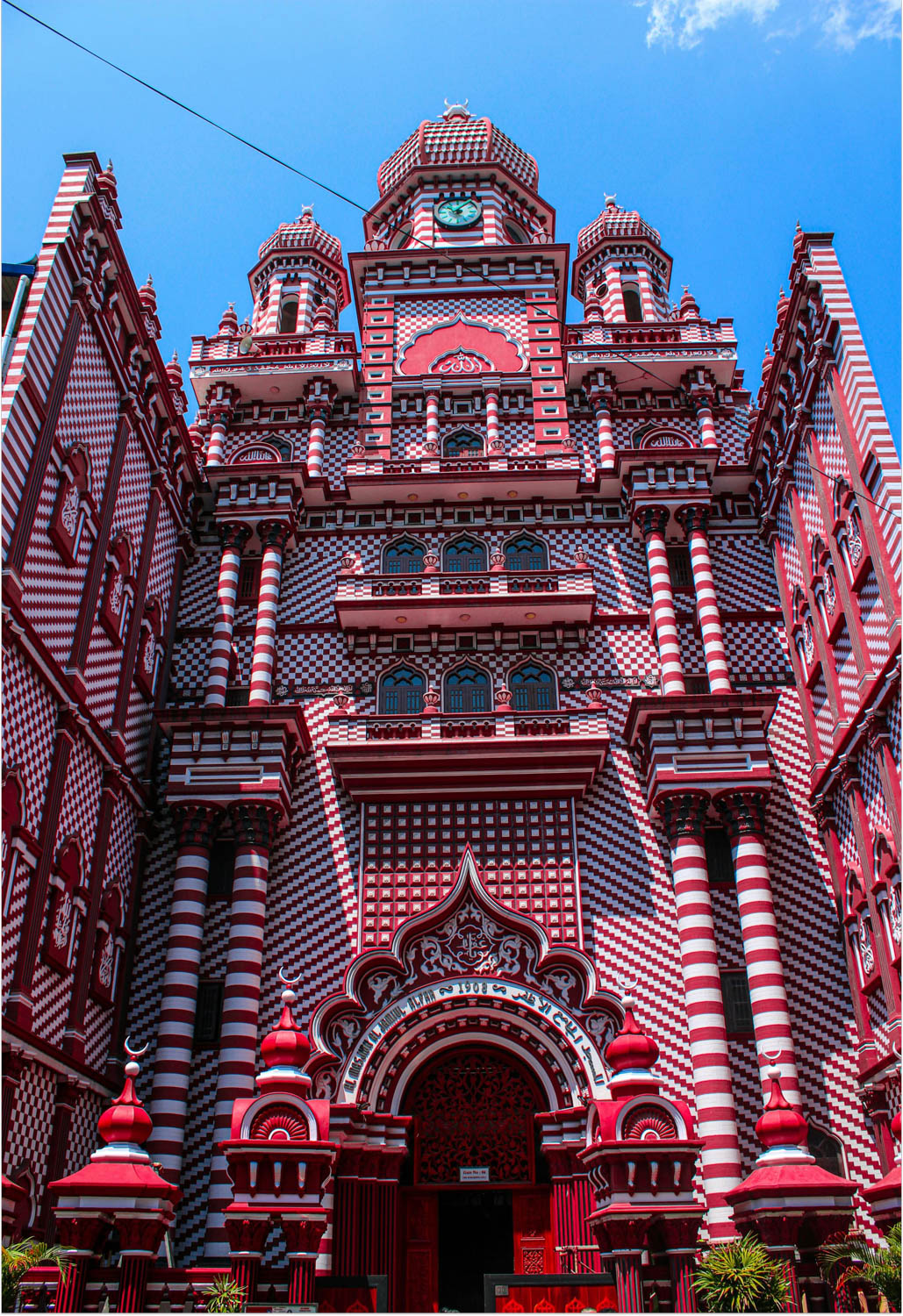
On our routes
In frames
A closer look, frame by frame.
Where to stay
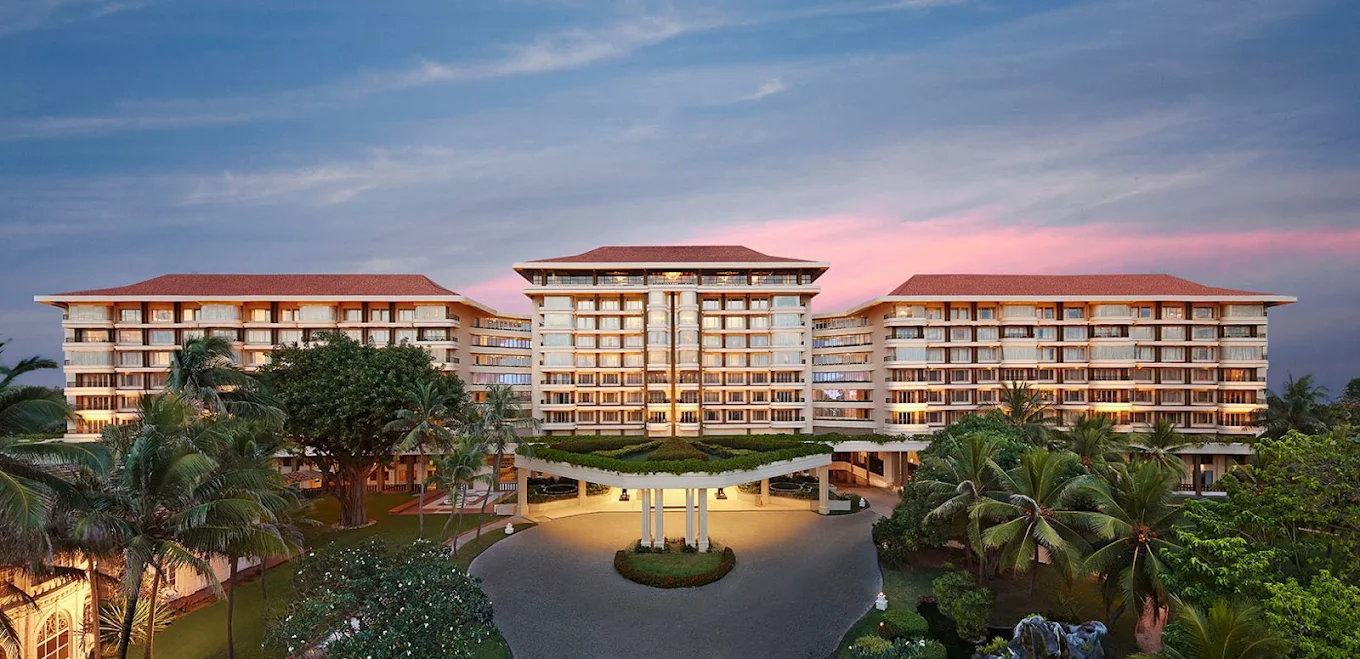
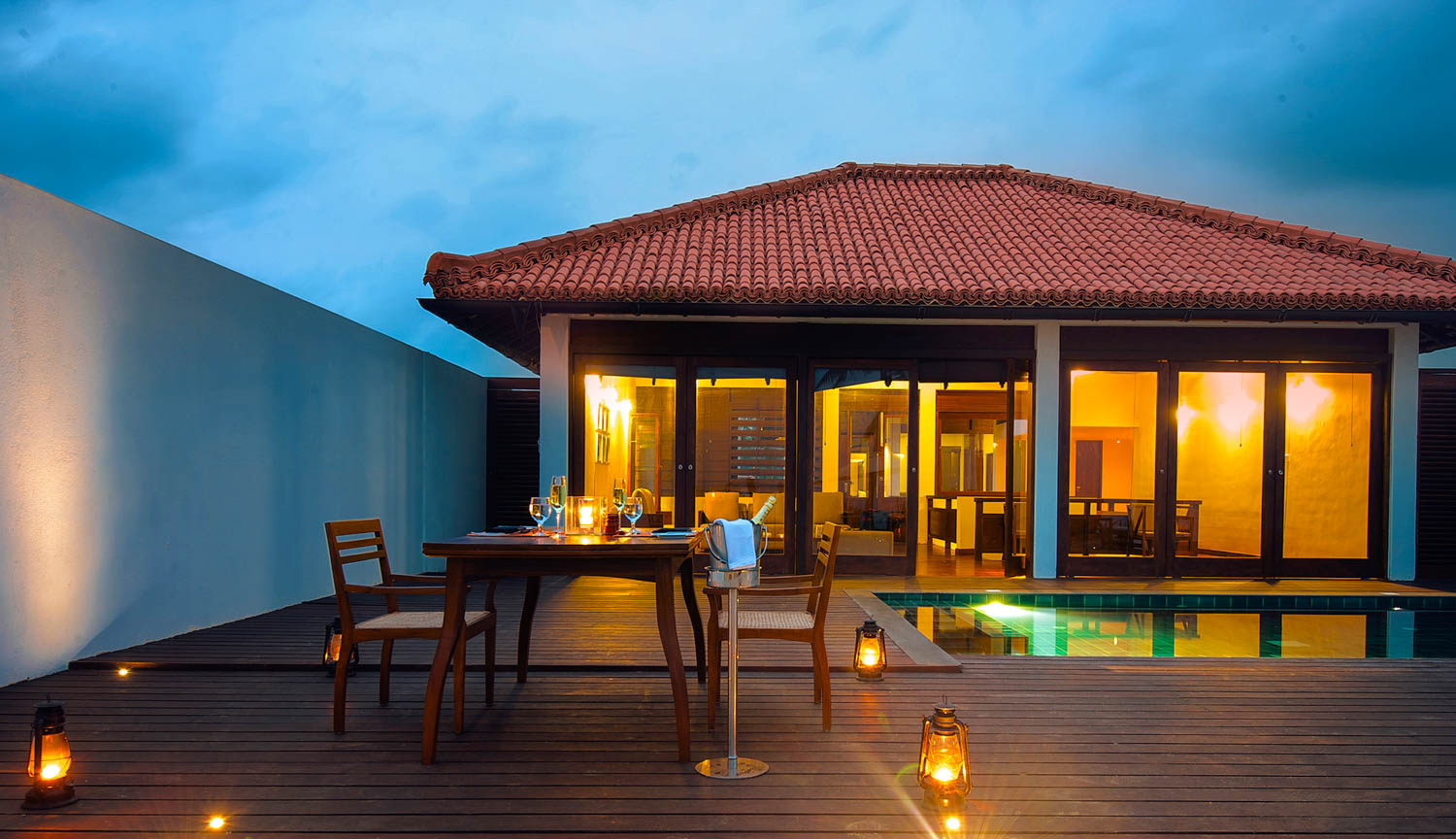
Places we actually put people, at three budgets.
.jpeg)
Common questions
Taken from what people actually search for.
What is Galle Face Green known for?
It is Colombo's main seafront public lawn, known for evening kite flying, street food stalls, and sunset views over the Indian Ocean — it is a locals' gathering spot rather than a ticketed sight.
What is the best time to visit Galle Face Green?
Late afternoon into sunset, roughly 16:30 to 19:30, when the sea breeze picks up for kite flying and the food stalls open. Midday is hot, largely empty, and has little shade.
Is the street food at Galle Face Green safe to eat?
Most visitors eat there without issue, but quality varies by stall. Choose carts that are busy and cooking food fresh in front of you rather than food sitting pre-made, and drink bottled or coconut water.
Is Galle Face Green worth visiting if I only have a short time in Colombo?
Yes, but only in the evening — it is a lawn with no monuments, so a daytime visit will feel like nothing is there. Come for sunset and the food stalls and it becomes one of Colombo's most memorable, low-cost evenings.
Is Galle Face Green safe at night?
Generally yes — it is full of families and has a visible security presence in the evening, making it one of the more relaxed public spaces in Colombo. Ordinary precautions with bags and phones still apply in the busiest stretches.
How do I get to Galle Face Green?
It is on the edge of Colombo Fort, a 10–20 minute tuk-tuk or taxi ride from most central hotels, or a 10–15 minute walk from Colombo Fort Railway Station.
What is there to do at Galle Face Green besides eat?
Fly a kite (sold by vendors on-site), walk the length of the lawn, watch the sunset over the ocean, or sit at the seafront terrace of the historic hotel anchoring the green's southern end.
Sources and last checked
Make it yours.
Tell us what pulls at you and we'll thread this journey into one private itinerary — sent back on a live link within 24 hours.
Fit Galle Face Green into Your Trip
We build private Sri Lanka itineraries that include a Colombo evening at Galle Face Green timed for sunset and the food carts, with a driver-guide who knows which stalls are worth stopping at and where to go next. No set tour bus schedule, no rushing off before the kites come out. Message us on WhatsApp to talk through where Galle Face Green fits around the rest of your route.