Royal Botanical Gardens, Peradeniya
Written by the Sithiyam Travel team in Colombo
 Sri Lanka
Overview
What makes this place worth the journey.
Why Visit the Royal Botanical Gardens in Peradeniya?
The Royal Botanical Gardens at Peradeniya, 5 km outside Kandy, are the largest botanical garden in Sri Lanka at 147 acres, folded into a bend of the Mahaweli River. This is not a manicured show garden you walk through in twenty minutes — it is a working scientific collection with over 4,000 plant species, and it takes real time to see properly. Most people who rush it come away thinking it's "just a big park." Most people who give it two to three hours come away remembering specific trees.
The single most photographed spot is the Avenue of Royal Palms, a straight line of towering palms planted in the 1950s that runs the length of the garden and looks good in any light. Nearby is the garden's actual showstopper: a single Java fig tree (Ficus benghalensis) whose canopy has spread wide enough that its own branches, propped by supports, look like a small forest from one trunk. At dusk, thousands of flying foxes hang and stir in the tall trees near the river — genuinely startling if you don't expect it, and one of the things visitors mention most.
The Orchid House and specialist collections
The Orchid House holds several hundred varieties, including Sri Lankan endemics, and is one of the few shaded, cooler spots in the garden on a hot afternoon. Elsewhere there are dedicated sections for spices, medicinal plants, palms, and a cactus house — useful if you want to break the visit into themed stops rather than one long walk.
The suspension bridge and the river loop
A pedestrian suspension bridge crosses the Mahaweli at the garden's edge and sways noticeably underfoot — popular for photos, and a natural turning point if you're doing the shorter loop. The path that follows the riverbank is flatter and shadier than the interior lawns, which matters in the middle of the day.
Royal and colonial trees
Several trees were planted by visiting royalty and heads of state and are marked with small plaques — a Cannonball Tree planted by King George V and Queen Mary in 1901 is one of the better-known ones. It's a minor detail, but it's the kind of specific thing that makes the garden feel like more than a generic park once someone points it out.
How much of it should you actually see?
The full path network is roughly 4.5 km, which is a genuine 3–4 hour walk if you cover all of it. If you only have 90 minutes to two hours, the standard shortlist is: Avenue of Royal Palms, the Great Lawn and Java fig, the Orchid House, and the suspension bridge — that covers what most first-time visitors actually want to see. Families with young children or anyone visiting in the middle of the day should budget for shade breaks; large sections of the garden are open lawn with no cover.
The crowds and the annoying parts
Weekends and Sri Lankan public holidays bring large numbers of local families with picnics, which is pleasant but changes the pace — expect the lawns near the entrance to be busy and the parking area to be tight. On a hot, dry-season afternoon there is very little shade across the open lawn sections, and there's no shortage of loose vendors and unofficial "guides" near the main gate offering to walk you round for a tip; you don't need one, the paths are signed. Toilets and a small café/snack stand exist near the entrance but not much beyond it, so plan accordingly if you're doing the full loop.
Is it worth it?
Including who should skip it.
What to do
What the visit is actually made of.
What to look for
- The Java Fig Tree — one tree, propped branches, a canopy wide enough to look like a grove.
- Avenue of Royal Palms — the classic straight-line palm walk that appears in almost every photo of the gardens.
- Flying fox colony — large fruit bats roosting in the tall trees near the river; most active around dusk.
- Orchid House — several hundred varieties under one shaded roof.
- Suspension bridge — a swaying pedestrian bridge over the Mahaweli River at the garden's edge.
- Royal-planted trees — a scattering of trees planted by visiting monarchs and dignitaries since the 1900s, each marked with a small plaque.
Why come here
The reasons travellers book around this place.
History of the Royal Botanic Gardens, Peradeniya
The gardens sit on land that was once a pleasure garden for the last kings of Kandy, used for royal residences before the British took over the kingdom in 1815. The British converted the site into an official botanic garden in 1821, initially for growing spices and cash crops — cinnamon, cocoa, and later rubber and tea — that the colonial administration wanted to test and propagate across the island.
Under successive directors through the 19th century the gardens expanded to their current 147 acres, wrapped in a loop of the Mahaweli River, and became a serious scientific institution as well as a public park. Sri Lanka's first rubber trees, brought from Kew Gardens in London, were planted here in 1876 and went on to seed the island's rubber industry.
Today the gardens are run by the Department of National Botanic Gardens and hold over 4,000 species of plants, including one of the world's best orchid collections. They remain a working research and conservation site as well as one of the most visited attractions in the hill country.
Hiraz's take
Getting here
Every realistic way in, with times and fares.
Getting to the Royal Botanic Gardens
The gardens are about 5–5.5 km from Kandy city centre, on the Peradeniya road past the university.
- By tuk-tuk: the easiest option from anywhere in Kandy — roughly 15–20 minutes depending on traffic.
- By bus: frequent local buses run from Kandy towards the Peradeniya/university area and stop near the garden's gate; the ride takes about 30 minutes and costs a small local fare.
- By private car/driver: a 10–15 minute drive outside peak traffic; there is a car park at the main gate.
Getting around inside
The garden is flat and walkable, but the full network of paths is about 4.5 km. Electric buggies can reportedly be hired inside for visitors who don't want to walk the whole loop.
Travel tips
The small things nobody tells you until you are there.
What to bring
- Comfortable walking shoes — plan for several kilometres if doing the full loop
- Sun hat and sunscreen — much of the garden is open lawn with no shade
- A light rain jacket or umbrella — hill-country weather changes fast
- Water and a snack, especially if visiting outside the main entrance area
- Cash for the entrance ticket and any tuk-tuk fare
Travel Tips
✔️ Go early — before 10 AM — for cooler walking and quieter paths.
✔️ Pick up the map at the entrance; the garden is large enough to lose your bearings without one.
✔️ If you only have 90 minutes, skip the full loop and stick to the palm avenue, the fig tree, and the orchid house.
✔️ Bring water — there isn't much for sale once you're away from the main gate.
✔️ Combine it with the Temple of the Tooth and Kandy Lake on the same day; all three sit within a short drive of each other.
✔️ Weekends bring large local family crowds and picnics — expect a livelier, more crowded garden than on a weekday.
✔️ Watch (and listen) for the flying fox colony near the river in the late afternoon — it surprises most first-time visitors.
When to go
The dry, bright window and the months to sit out.
A suggested order
- Enter from the main (southern) gate and head first to the Avenue of Royal Palms — do it early before the light gets flat and the lawns fill up.
- Great Lawn and the Java Fig Tree (20–30 minutes) — the fig's spread canopy is the garden's single best photo subject.
- Orchid House (20 minutes) — shaded, a good midday stop.
- Spice Garden and Cactus House (20–30 minutes) — smaller, quieter sections most people skip; worth it if you have time.
- Riverside path and suspension bridge (30–40 minutes) — flatter walking, good shade, and the flying fox colony roosts in the tall trees along this stretch. Late afternoon is when the bats start stirring and are easiest to spot.
If you only have 90 minutes, do the palm avenue, the fig tree, and the orchid house, then head to the bridge only if it's on your way out.
Pair it with
Worth combining into the same day.
-2.jpeg)


On our routes
In frames
A closer look, frame by frame.
Where to stay
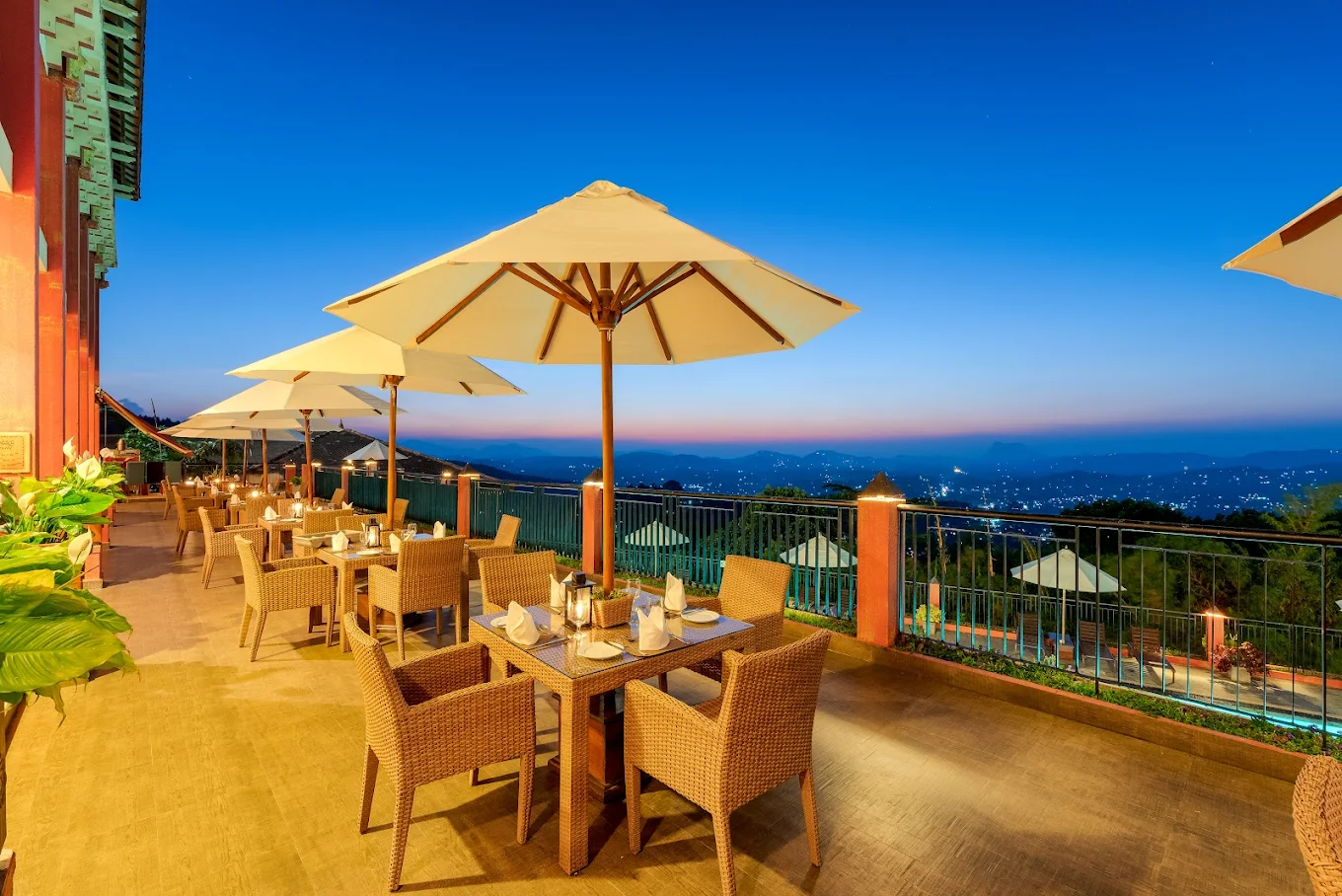
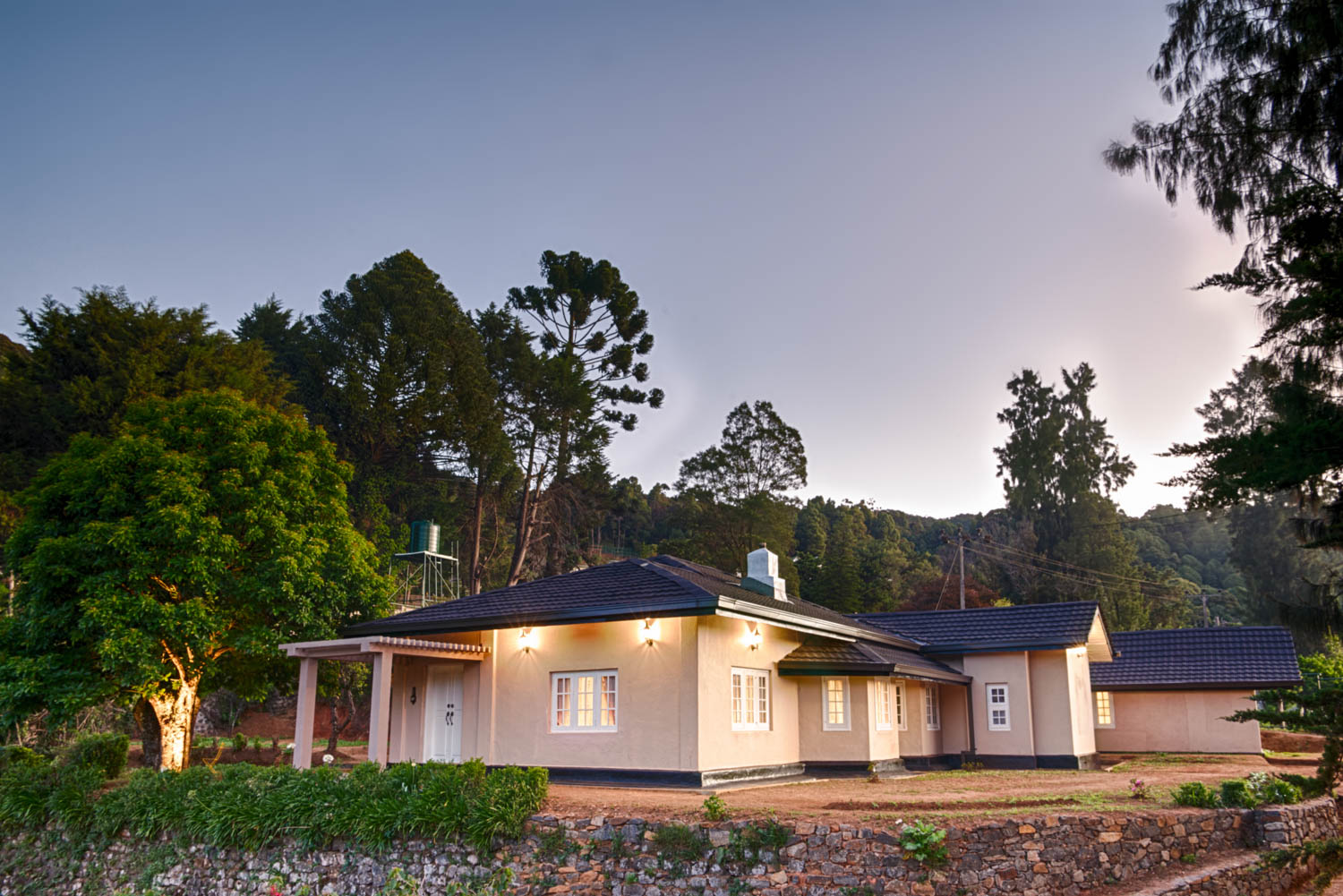
Places we actually put people, at three budgets.
.jpeg)
Common questions
Taken from what people actually search for.
How long do you need at the Royal Botanical Gardens?
Budget 90 minutes to two hours for the highlights — the Avenue of Royal Palms, the Java fig tree, and the Orchid House. Plant lovers, photographers, and families who want a slower pace should allow half a day; the full path network is about 4.5 km.
How much is the entrance fee for foreigners?
Sources quote a foreign adult entrance fee in the region of LKR 3,000–3,600, with lower rates for children and for SAARC-country visitors.
How do you get to the gardens from Kandy?
The gardens are about 5–5.5 km from central Kandy. A tuk-tuk takes roughly 15–20 minutes, and frequent local buses also run from Kandy towards the Peradeniya area for a small fare.
Is the Royal Botanical Gardens the same as the university?
No. The gardens sit immediately next to the University of Peradeniya campus but are a separate, ticketed site run by the Department of National Botanic Gardens.
Can you picnic in the gardens?
Yes, picnicking on the open lawns is common and expected, especially on weekends when Sri Lankan families visit in large numbers. Bring your own food, as options for sale inside are limited to the area near the main entrance.
Is it worth visiting if you are not interested in plants?
Yes, most visitors who are not specialists still rate it highly for the Java fig tree, the palm avenue, and the suspension bridge over the Mahaweli River — but only if you give it at least 90 minutes; rushing it leaves people cold.
Is there shade, and what is the weather like?
Large sections are open lawn with little shade, so sun protection matters in the middle of the day. Kandy's hill-country weather can turn quickly, so carry a light rain jacket or umbrella even on a dry-looking morning.
Sources and last checked
Make it yours.
Tell us what pulls at you and we'll thread this journey into one private itinerary — sent back on a live link within 24 hours.
Visit the Royal Botanical Gardens with Sithiyam
We build private Kandy itineraries that pair the gardens with the Temple of the Tooth, Kandy Lake, and the hill country beyond — with a driver-guide who knows how much time each stop actually needs, and who handles tickets so you're not queuing in the sun. No fixed group timings, no rushing the fig tree to catch a bus.
👉 Message us on WhatsApp to build a Kandy day (or a longer hill-country route) around what you actually want to see.