Pinnawala Elephant Orphanage
Written by the Sithiyam Travel team in Colombo
A long-running state orphanage and its river bathing. Popular, crowded, and genuinely argued over on welfare grounds.
 Sri Lanka
Overview
What makes this place worth the journey.
What Pinnawala Elephant Orphanage Actually Is
Pinnawala, about 90 km east of Colombo and 35 km from Kandy, is home to roughly ninety elephants — the largest captive herd in the world. It started in 1975 as a genuine rescue operation for orphaned wild calves, and some of that mission still happens: injured and abandoned elephants are still occasionally brought in. But since 1982 it has also run an active breeding programme, and most of the herd now lives there permanently rather than passing through on the way back to the wild. That distinction — rescue-and-release versus rescue-and-keep — is the root of almost everything travellers argue about when deciding whether to go.
What you'll actually see
The visit centres on two things: feeding and bathing. Young calves are bottle-fed by mahouts (and, for a fee, by visitors) several times a day, and twice a day the whole herd is walked down a village road to bathe in the Maha Oya river — an event that draws large crowds lining the riverbank and street. Seeing seventy-plus elephants, including tiny calves, in and around the water is genuinely something most people have never seen and won't again. It's also, by most accounts, the best part of the visit and the reason the majority of first-time visitors still call it a highlight.
The part that gets left out of the brochure
Outside of bathing time, most of the elephants — particularly the adult males — are chained, some for long stretches, some with visible scarring on their legs from years of it. A widely cited welfare report by the charity Born Free documented poor conditions at Pinnawala, including males chained during musth (a periodic aggressive hormonal state) in ways that caused wounds, and training methods that rely on the threat of pain from a bullhook or ankus. Several welfare organisations and long-form critics (including responsibletravel.com, which states outright that it does not support the facility) argue that Pinnawala now operates more like a zoo and breeding centre than a sanctuary — animals bred and held for tourism revenue and for supply to temples and private owners, rather than for rehabilitation and release.
None of this is hidden if you go looking — Tripadvisor reviews range from "the best thing we did in Sri Lanka" to "overhyped and not worth visiting," and a meaningful share of visitors rate the experience poorly specifically over the animals' condition and the crowding. It is not a case of one bad source; it is a genuinely split, ongoing debate that includes tourists, journalists, and welfare charities.
Pinnawala vs Udawalawe Elephant Transit Home
The comparison travellers most often make is with the Elephant Transit Home at Udawalawe, about a 2.5–3 hour drive south. Udawalawe's model is different by design: orphaned calves are raised with deliberately minimal human contact, released into Udawalawe National Park's wild herd once they're old enough to fend for themselves (typically age 4–5), and there is no bathing spectacle, no bottle-feeding by tourists, and no permanent captive herd on display. You watch feedings from behind a rope at a distance, then usually combine the visit with a jeep safari to see wild elephants — including many former ETH residents — roaming free in the park.
If the point of your visit is genuine rehabilitation and release, Udawalawe is the model most welfare-focused travellers and conservation writers now point to instead. If you specifically want the up-close bottle-feeding and bathing experience — accepting the trade-offs above — Pinnawala is what delivers that. It is worth deciding which one you actually want before you book either.
Crowds, touts, and the practical annoyances
Bathing time draws large crowds along a narrow riverbank and roadside — expect to be shoulder to shoulder with tour groups, and expect vendors, unofficial photographers, and touts working the crowd. The village around the orphanage exists almost entirely to serve this one attraction, with the usual concentration of souvenir stalls and pressure to buy. Paid extras — fruit feeding, milk feeding, and a paid elephant-bathing experience — are actively sold on-site; you don't need any of them to see the main event.
Is it worth it?
Including who should skip it.
What to do
What the visit is actually made of.
What to look for
- The river bathing — the entire herd, calves included, in the Maha Oya at once; the reason most people come.
- The nursery — very young orphaned calves, some bottle-fed, some still learning to use their trunks.
- Chained adult bulls — visible outside bathing hours, particularly males kept separately; look for leg scarring, which welfare reports have documented.
- The on-site elephant orphanage museum and a small elephant dung paper workshop nearby, if you want context beyond the animals themselves.
Why come here
The reasons travellers book around this place.
History of Pinnawala Elephant Orphanage
Pinnawala was established in 1975 by Sri Lanka's Department of Wildlife Conservation, on a former coconut plantation beside the Maha Oya river. It began with five orphaned elephant calves found wandering near the island's shrinking forests — victims of habitat loss, agricultural conflict, and, in some cases, injuries from landmines and traps.
Its original mission was straightforward rescue and rehabilitation. That changed in 1982, when Pinnawala launched a captive breeding programme — the first successful one for Asian elephants in captivity anywhere. More than twenty calves have since been born on-site. This shift is central to why the facility is contested today: a rescue centre that also breeds captive elephants, and keeps most of them for life, functions differently from a sanctuary whose goal is release.
Pinnawala now holds close to ninety elephants, making it the largest herd of captive elephants in the world. It is run by the Sri Lanka National Zoological Gardens and remains one of the country's most visited attractions, funded substantially by tourist admission and feeding fees.
Hiraz's take
Getting here
Every realistic way in, with times and fares.
Getting to Pinnawala
Pinnawala sits roughly 90 km from Colombo and about 35 km from Kandy, just off the main Colombo–Kandy road.
- From Kandy: around 35 km. By car or taxi, roughly 1–1.5 hours depending on traffic. By train to Rambukkana followed by a short tuk-tuk, or by direct/connecting bus via Kegalle.
- From Colombo: around 90 km, about 2.5 hours by car. Regular buses run from Colombo's Central Bus Stand to Kegalle, with a further bus or tuk-tuk on to Pinnawala.
- From Udawalawe (if comparing the two): roughly 2.5–3 hours by road, making a same-day visit to both impractical — plan for separate days or separate legs of a longer itinerary.
Travel tips
The small things nobody tells you until you are there.
What to bring
- Cash for the entrance ticket and any optional feeding activities
- Comfortable, closed shoes for uneven riverbank ground
- Sun protection — the bathing area has little shade
- A camera or phone with charge — bathing time is the main photo opportunity
- A read of the welfare criticism beforehand, so you're deciding with full information
Travel Tips
✔️ Decide before you go whether the welfare issues matter enough to you to skip it — read the criticism first, not after.
✔️ Time your visit around a bathing session rather than the feeding alone; it's the more memorable part.
✔️ You don't need to pay for the extra bottle- or fruit-feeding activities to see the main event.
✔️ Expect real crowds at the riverbank during bathing — arrive a little early for a better viewing spot.
✔️ If you'd rather see elephants with a release-focused, lower-contact model, visit the Elephant Transit Home at Udawalawe instead, ideally paired with a jeep safari.
✔️ Watch out for touts and unofficial "photographers" working the crowd near the entrance and riverbank.
✔️ Combine it with a Kandy or Colombo–hill-country transfer, since it sits directly on that road.
When to go
The dry, bright window and the months to sit out.
A typical visit, in order
- Morning feeding (reported around 9:15 AM) — calves bottle-fed by mahouts; a paid milk-feeding slot is sold to visitors.
- River bathing, session one (reported around 10:00 AM) — the herd is walked to the Maha Oya and bathes for roughly an hour; the best photo opportunity of the visit.
- Midday feeding (reported around 1:15 PM).
- River bathing, session two (reported around 2:00 PM) — usually less crowded than the morning session.
- Evening feeding (reported around 5:00 PM), shortly before closing.
Most visitors pick one bathing session rather than staying all day — the afternoon slot tends to be quieter than the morning one.
Pair it with
Worth combining into the same day.
-2.jpeg)


On our routes
In frames
A closer look, frame by frame.
Where to stay
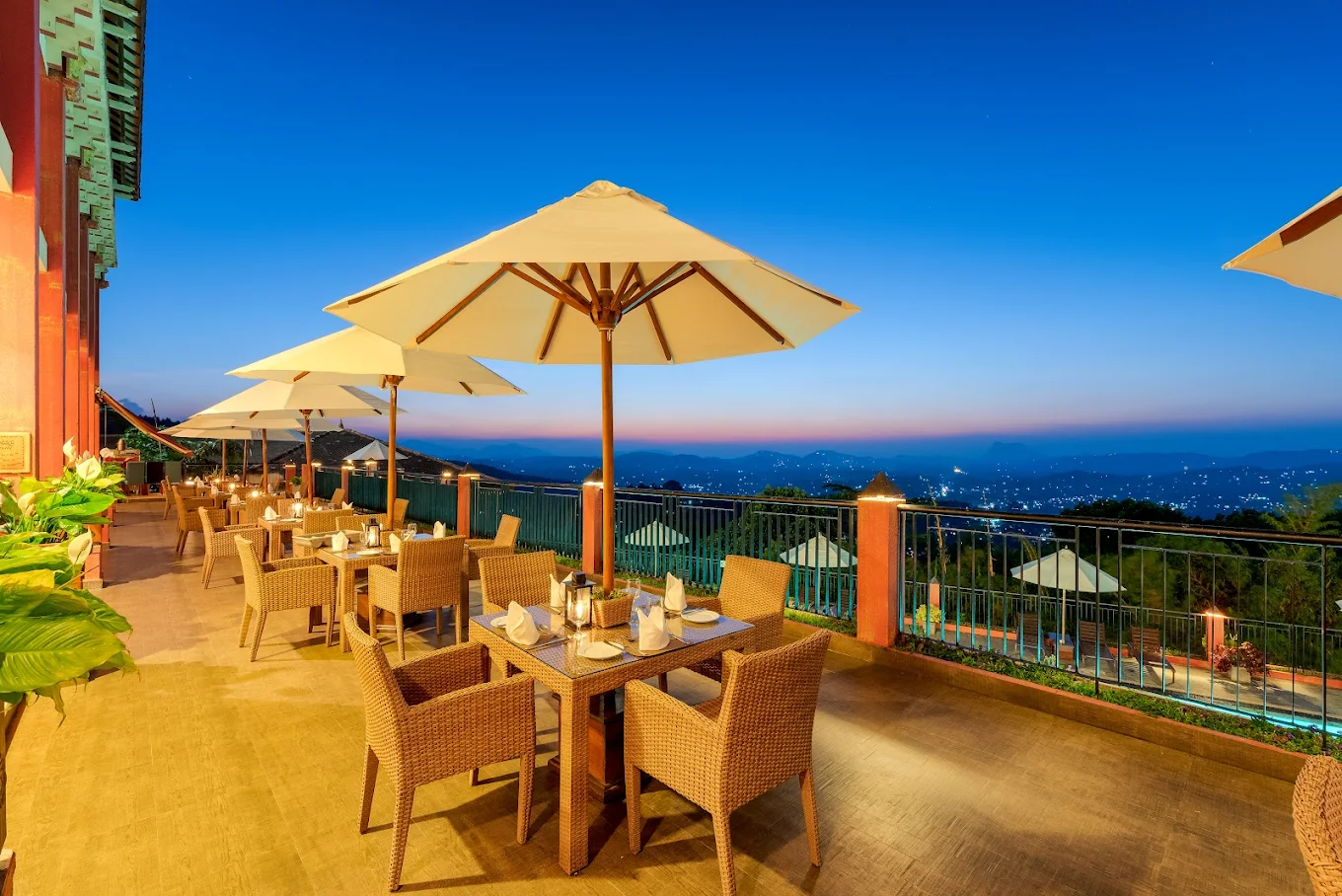
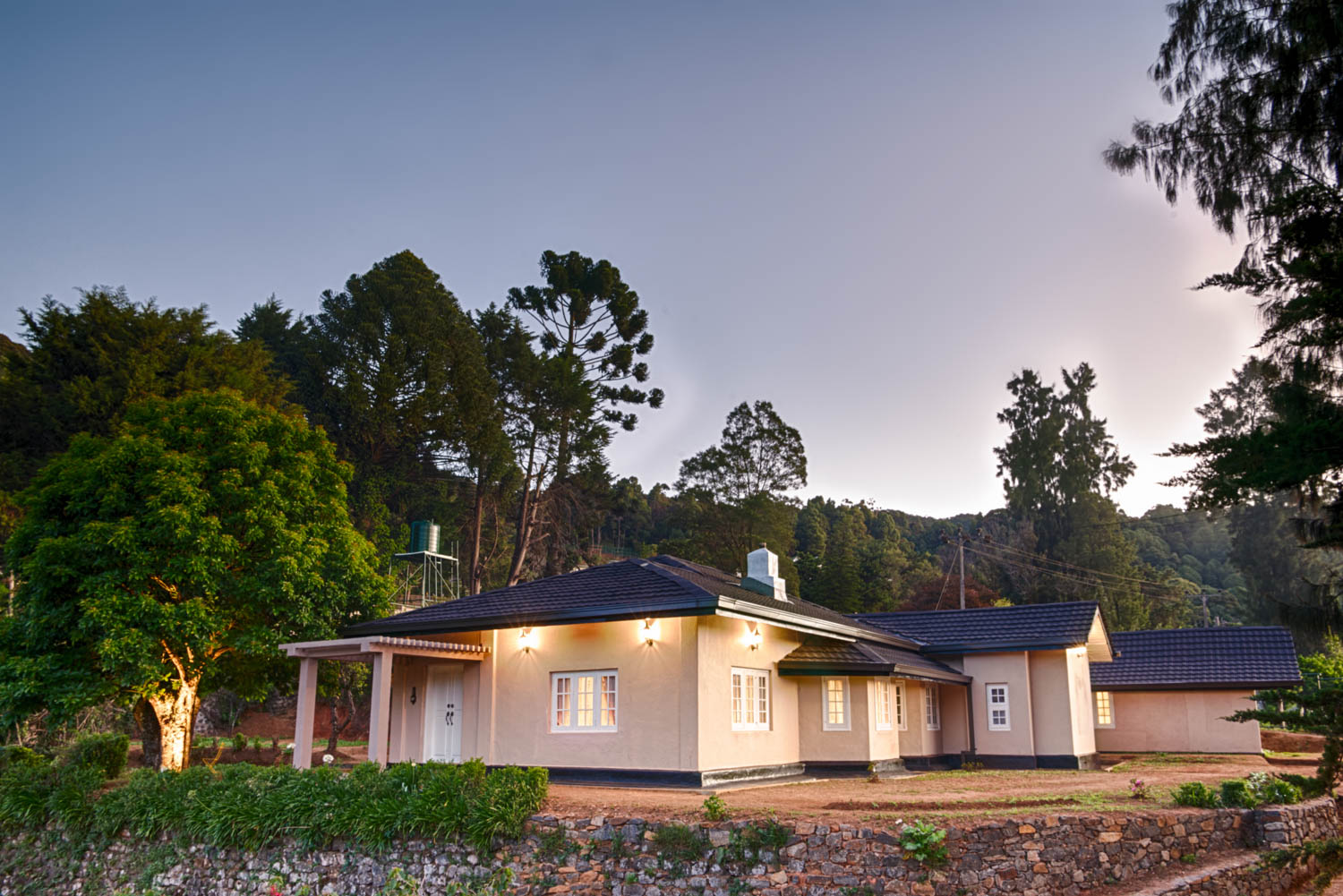
Places we actually put people, at three budgets.
.jpeg)
Common questions
Taken from what people actually search for.
Is Pinnawala Elephant Orphanage cruel or ethical?
It is genuinely contested: most elephants, especially adult males, are chained for parts of the day and some show scarring, which welfare organisations including Born Free have documented and criticised. Many visitors still find the river bathing a highlight — this is a decision worth making with the criticism read first, not after.
Are the elephants at Pinnawala chained?
Yes, most of the herd is chained outside of bathing and feeding times, and adult bulls in particular are chained for extended periods, sometimes with visible leg scarring documented by welfare reports. This is one of the main points critics raise.
Is Pinnawala or Udawalawe Elephant Transit Home better?
It depends what you want. Udawalawe focuses on rehabilitation and release with minimal human contact and no bathing spectacle, which most welfare-conscious travellers now prefer; Pinnawala offers closer, longer contact with a much larger permanent herd, including bottle-feeding and bathing, but keeps most elephants captive for life.
What are the feeding and bathing times at Pinnawala?
Feedings are reported around 9:15, 13:15, and 17:00, with river bathing sessions around 10:00 and 14:00.
How much does it cost to visit Pinnawala?
Reported foreigner adult tickets are around LKR 3,000, with reduced rates for children and SAARC-country visitors, plus separate paid extras for feeding or bathing activities.
Can you ride or bathe with the elephants at Pinnawala?
A paid elephant-bathing activity is sold on-site, but there is no elephant riding at Pinnawala itself. Whether to take part in paid contact activities is itself part of the wider welfare debate about the facility.
How do you get to Pinnawala from Kandy?
Pinnawala is about 35 km from Kandy, roughly an hour by car or taxi. Alternatives include a train to Rambukkana followed by a short tuk-tuk, or a bus via Kegalle.
Sources and last checked
Make it yours.
Tell us what pulls at you and we'll thread this journey into one private itinerary — sent back on a live link within 24 hours.
Visiting Pinnawala with Sithiyam
If you decide Pinnawala is right for your trip, we build it into private Kandy-area routes with a driver-guide who times the visit around a bathing session rather than a fixed tour-bus slot. If you'd rather see elephants at Udawalawe's Elephant Transit Home instead, we route that just as easily, usually paired with a jeep safari. Either way, we lay out both options honestly before you book — no prices here, just the plan.
👉 Message us on WhatsApp and tell us which experience matters more to you.