Horton Plains National Park
Written by the Sithiyam Travel team in Colombo
A nine-kilometre loop across cold grassland to a cliff that drops away to the plain. Clear at dawn, under cloud by half nine.
.jpeg) Sri Lanka
Sri LankaOverview
What makes this place worth the journey.
Why the 6am start is not optional
Everything about visiting Horton Plains comes down to one fact: World's End, the park's main attraction, is reliably clear only in the first hours of the morning. Warm, moist air rises from the lowlands through the day and by around 09:30 it regularly rolls over the cliff edge as cloud, and it can stay that way for the rest of the day. Visitors who arrive at 10am or later have a real chance of standing at World's End looking at grey mist and nothing else. This is not a rare bad-luck outcome — it is the normal daily pattern, most pronounced from roughly June to September, and it is the single most repeated piece of advice from anyone who has actually done this hike.
The park gates open at 06:00 and do not open earlier for anyone. To be at World's End itself — not just through the gate — by around 07:00, most visitors leave Nuwara Eliya by 05:00, since the drive to the park entrance plus the walk to the viewpoint both take real time. If you are not prepared for a genuine pre-dawn start, be honest with yourself about whether this is the day to do it.
The loop: World's End, Baker's Falls, and back
The standard circuit is a loop of about 9.5 km, walked anticlockwise by most visitors: from the entrance to the "Little World's End" viewpoint, on to the main World's End cliff, down to Baker's Falls, and back along the plateau to the entrance. Expect three to five hours depending on your pace and how long you linger at each stop — this is a walk, not a stroll, over uneven ground with some sections of loose rock, though it needs no technical skill or climbing.
Horton Plains is unusual among Sri Lanka's national parks in that you do not need a guide or a vehicle once you are inside — this is the one park where visitors are free to walk the marked trail on foot, independently. Most people do the loop in the order above so that World's End comes first, while there is still a chance of a clear view, leaving Baker's Falls — which is not weather-dependent in the same way — for the return leg.
What you actually see at World's End
On a clear morning, World's End is a sheer drop off the edge of the plateau, with views stretching out over the lowlands toward the south coast on the very clearest days. Figures for the drop itself vary between roughly 870 metres and 1,200 metres depending on the source. On a cloudy morning — which, after roughly 09:30, is most mornings — you see white mist a few metres from the railing and nothing beyond it. There is no way to control which one you get except by arriving early and hoping the specific day cooperates; even a 06:00 start is not a guarantee, just the best odds available.
Is it worth it if you can't get there early?
Be honest with yourself here, because a lot of guides are not. If your realistic arrival time at the park is after 09:00, you should expect a meaningful chance of seeing fog rather than a view at World's End, and you should decide whether the rest of the experience — Baker's Falls, the cloud forest, the walk itself, the wildlife — is worth the entrance fee on its own. For some travellers it is: Baker's Falls is attractive regardless of cloud cover, and the plateau's grassland and stunted forest are worth walking through even without the cliff-edge view. For others, paying a high foreigner entrance fee to see a wall of white mist at the one thing they came for is a genuine disappointment, and reviewers say so plainly. If your schedule cannot support a 05:00–06:00 start from Nuwara Eliya, it is worth weighing up honestly whether this is the day for Horton Plains or whether your time is better spent elsewhere in the hill country.
The cold
Horton Plains sits above 2,100 metres and it is genuinely cold by Sri Lankan standards — not just "cool for the tropics." Average temperatures sit around 13°C, and pre-dawn starts can feel closer to 4–5°C with wind chill on the exposed plateau. Most visitors underestimate this because the rest of their Sri Lanka trip has been warm, and arrive in a t-shirt. Layers you can remove as the sun comes up work far better than a single heavy jacket.
Fees: what foreigners pay versus locals
Horton Plains charges a two-tier entrance fee, standard across Sri Lanka's national parks: foreign visitors pay considerably more than Sri Lankan citizens. Reported figures for foreign adults cluster around USD 30–35 per person, plus additional charges that can include a vehicle or jeep entry fee of a few hundred rupees. Local visitors pay a small fraction of this in rupees. This gap is a frequent subject of visitor complaints online, and it is worth going in with the right expectation rather than being surprised at the gate.
The plastic ban
Horton Plains enforces a strict ban on polythene bags and single-use plastics, and bags are physically checked at the entrance. Wrappers, plastic bottles and bags are confiscated or, at some checkpoints, transferred into paper bags provided by park staff, to be collected again on your way out. Plan accordingly: bring a reusable water bottle rather than several plastic ones, and expect snack wrappers to be an issue if you are carrying a packed lunch.
Wildlife and what else is on the plateau
Horton Plains is part of a UNESCO-listed highland ecosystem holding some of Sri Lanka's rarest species: the endemic Sri Lankan leopard subspecies, sambar deer in large numbers (the animal you are most likely to actually see), the purple-faced langur, and well over 50 endemic plant species scattered through the montane grassland — locally called patana — and the stunted cloud forest that lines the trail. Early morning, before other hikers are moving through in numbers, gives the best chance of spotting deer near the trail.
Setting realistic expectations
Treat Horton Plains as a half-day commitment built entirely around a single early window, not a flexible add-on you can slot in whenever convenient. Get the 6am start right and the loop right, and this is one of the more distinctive landscapes in Sri Lanka — genuinely cold, genuinely wild-feeling, and unlike anywhere else on most people's itinerary. Get the timing wrong and you have paid a high fee to walk 9.5km in fog.
Is it worth it?
Including who should skip it.
What to do
What the visit is actually made of.
What to look for
- World's End — the sheer cliff edge itself, best seen before cloud rolls in around 09:30.
- Baker's Falls — a broad waterfall about 3 km from the main entrance, reliably visible regardless of weather.
- Patana grassland — the open montane grassland that gives Horton Plains its distinctive, treeless-looking stretches.
- Cloud forest — dense, stunted, moss-covered forest lining sections of the trail, a strikingly different landscape from lowland Sri Lanka.
- Sambar deer — the most commonly sighted large mammal, often visible grazing near the trail in the early morning.
Why come here
The reasons travellers book around this place.
History of Horton Plains
Horton Plains sits on a highland plateau over 2,100 metres above sea level, formed where Sri Lanka's central highlands break away in a sudden, near-vertical drop at what is now called World's End — geologically the point where the plateau meets the lower Sabaragamuwa hills in one of the most abrupt landscape changes on the island.
The area has been used by people for a very long time: stone tools linked to the prehistoric Balangoda culture have been found on the plains, evidence of hunter-gatherer activity here thousands of years before it became a national park.
Horton Plains was declared a national park in 1988 and, together with the neighbouring Peak Wilderness and Knuckles forests, was inscribed as a UNESCO World Heritage Site — the Central Highlands of Sri Lanka — for its montane grassland and cloud forest ecosystem, home to more endemic plant and animal species than almost anywhere else on the island, including the Sri Lankan leopard, sambar deer and the purple-faced langur.
Hiraz's take
Getting here
Every realistic way in, with times and fares.
Getting to Horton Plains
From Nuwara Eliya: about 32 km, roughly 1–1.5 hours by road, most of it on a winding mountain route.
Without your own vehicle, options include hiring a jeep or van for the round trip (private hire has been quoted from around LKR 7,500 for a half-day, plus the park's own vehicle entry charge), arranging transport through your guesthouse or hotel, or taking a train or bus to Pattipola or Ohiya and a tuk-tuk or taxi on from there.
From Colombo: around 200 km, roughly 5–6 hours by car via Nuwara Eliya.
There is no public bus service running directly to the park gate on a fixed schedule that suits the 06:00 opening — almost everyone arrives by private vehicle, hired jeep, or arranged transport for exactly this reason.
Travel tips
The small things nobody tells you until you are there.
- Warm layers for a pre-dawn start (temperatures near 4–5°C are possible)
- Proper walking shoes for 9.5km of uneven trail
- A reusable water bottle — single-use plastic is banned at the gate
- Cash for the entrance fee and vehicle charge
- Transport arranged the night before, since public buses don't fit the 06:00 opening
- A packed breakfast, since there is little available inside the park
Local tips
✔️ Leave Nuwara Eliya by 05:00 — this is the single most important piece of advice for this hike, not a suggestion.
✔️ Walk the loop World's End first, Baker's Falls second — the cliff view is time-critical, the waterfall is not.
✔️ Dress in layers you can peel off — it is genuinely cold at the start and warms up fast once the sun is up and you're moving.
✔️ Bring a reusable water bottle — plastic bottles are confiscated or bagged at the entrance under the polythene ban.
✔️ Carry small cash for the entrance fee and any vehicle charge, and confirm whether card payment is accepted before you rely on it.
✔️ If the forecast looks poor and you can't make an early start, consider whether this is the day for Horton Plains at all rather than going late and seeing only fog.
✔️ Move quietly and look for sambar deer near the trail edges in the first hour — they are easiest to spot before the trail gets busy.
When to go
The dry, bright window and the months to sit out.
The route, in order
- 05:00 — leave Nuwara Eliya (or wherever you are based) to reach the park gate for opening.
- 06:00 — gates open; register and start walking.
- 06:45–07:15 — reach "Little World's End," a smaller viewpoint on the way to the main cliff.
- 07:15–08:00 — reach World's End itself; this is the window for a clear view before cloud typically rolls in.
- 08:00–09:30 — walk on toward Baker's Falls, through cloud forest and open grassland.
- 09:30–10:30 — Baker's Falls and the walk back to the entrance, completing the roughly 9.5km loop.
Total time: 3–5 hours depending on pace and stops.
Pair it with
Worth combining into the same day.


On our routes
In frames
A closer look, frame by frame.
Where to stay
Places we actually put people, at three budgets.
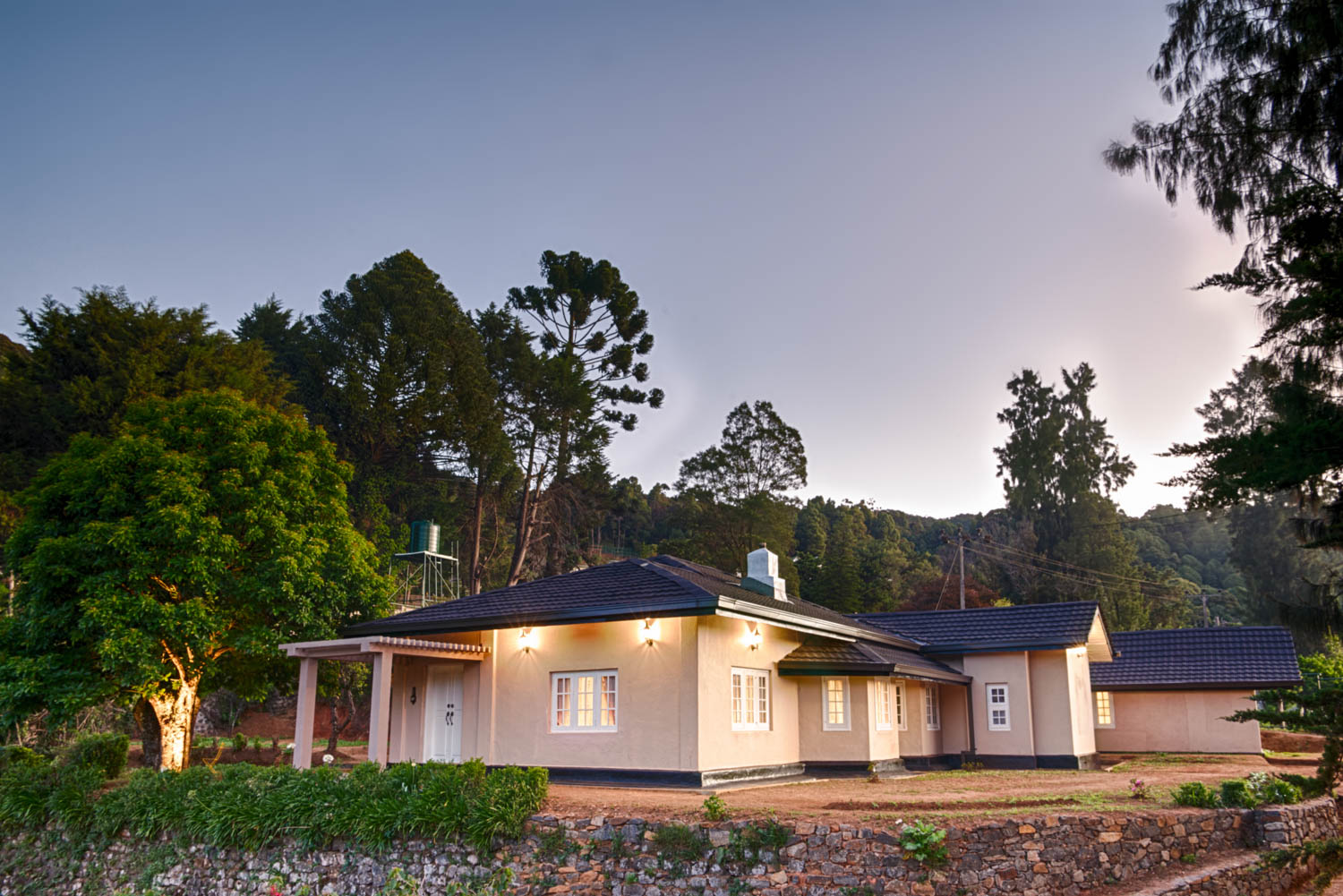
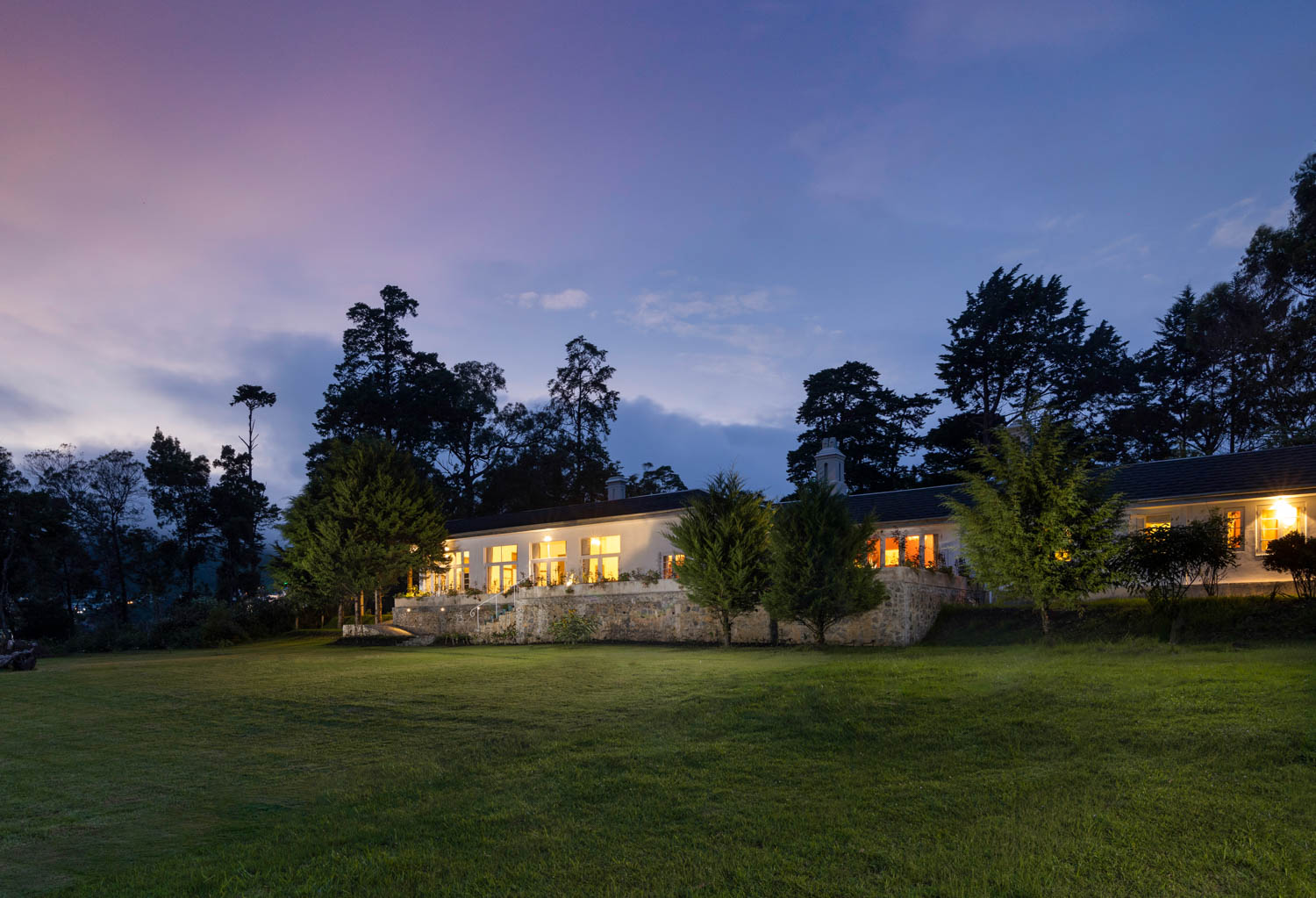
.jpeg)
Common questions
Taken from what people actually search for.
What time do the gates open at Horton Plains?
The park opens at 06:00, and this does not flex for anyone — arriving right at opening is the single most important factor in actually seeing World's End clearly.
Why is World's End covered in cloud?
Warm, moist air rises from the lowlands through the morning and typically rolls over the cliff edge as cloud from around 09:30 onward, obscuring the view for most of the rest of the day.
How long is the Horton Plains loop?
The standard circuit covering World's End and Baker's Falls is about 9.5 km, taking three to five hours depending on pace and how long you stop at each viewpoint.
Is Horton Plains worth it if you cannot arrive early?
Honestly, it is a real risk — after around 09:30 there is a strong chance World's End is in cloud, so a late arrival can mean paying a high entrance fee to see fog rather than the view.
How much does Horton Plains cost for foreigners versus locals?
Foreign adults pay roughly USD 30–35 plus a vehicle charge; Sri Lankan citizens pay a small fraction of that in rupees.
Can you bring plastic bottles into Horton Plains?
No — single-use plastics and polythene bags are banned and bags are checked at the gate, so bring a reusable water bottle instead.
How cold does it get at Horton Plains?
Average temperatures sit around 13°C, and a pre-dawn start can feel closer to 4–5°C with wind on the open plateau — genuinely cold by Sri Lankan standards, so pack layers.
Sources and last checked
Make it yours.
Tell us what pulls at you and we'll thread this journey into one private itinerary — sent back on a live link within 24 hours.
Do Horton Plains properly, with Sithiyam
Horton Plains only works if the timing is right, and that's exactly what we plan for: your driver-guide gets you to the gate for 06:00, handles the ticket and vehicle charge, and builds the rest of your hill-country day around the walk — tea estates, Nuwara Eliya, or straight on toward Ella. No guesswork about whether today is a World's End day or a fog day; we plan the start time so you get the best chance of it. Message us on WhatsApp to fit Horton Plains into your Sri Lanka route.