Minneriya National Park
Written by the Sithiyam Travel team in Colombo
As the reservoir drops, hundreds of wild elephants come down to the grass — the largest gathering of Asian elephants anywhere.
.jpeg) Sri Lanka
Sri LankaOverview
What makes this place worth the journey.
What the Minneriya Gathering actually is
Minneriya National Park exists because of a shrinking lake. As Sri Lanka's north-central dry season runs from roughly June to September, the water in the Minneriya tank drops and exposes wide grass flats on the old lakebed. Elephants come for the grazing and the water that's left, and because the same herds range across several connected forests, hundreds converge on one lake at once. At the peak — usually August and September — sightings of 150 to 300 elephants in a single afternoon are genuinely possible. This is what tour operators sell as "the Gathering," and it's one of the few wildlife spectacles in Asia that actually lives up to the name.
The part operators don't always tell you: it might not be at Minneriya
The honest complication is that "the Gathering" is not a fixed show at a fixed venue. The elephants follow water and grass, not a tourist schedule, and the same population moves between Minneriya, Kaudulla National Park and Hurulu Eco Park depending on where rainfall and lake levels happen to be that month. In a wetter spell, the bulk of the herd can be at Kaudulla while a tour is still sold to you as "Minneriya." Some operators are upfront about this and will switch you to whichever park has the elephants that week; others sell "Minneriya safari" as a fixed product regardless of where the animals actually are, and you find out only when the jeep turns a different direction than you expected.
This isn't necessarily dishonesty — the parks sit 20–30 minutes apart, share the same herd, and a switch is often the right call. But if you've specifically booked "Minneriya" and end up watching elephants at Kaudulla, that's not a bait-and-switch, it's the herd doing what it does. Ask your driver or operator, before you commit to a date, which park the elephants have actually been concentrated in over the past week — not which one is in the brochure.
Season: when to actually go
The reliable window for the Gathering is July through October, with August and September the peak. Outside that window — roughly November to May — the tank is fuller, the grass flats are underwater or overgrown, and elephants disperse across a much wider area. You can still see elephants at Minneriya year-round in smaller, less predictable numbers, but the "hundreds in one place" spectacle belongs to the dry months. If your trip dates fall outside July–October, a Sithiyam guide will tell you honestly whether it's worth the detour or whether your time is better spent elsewhere.
What the safari itself is actually like
Game drives run in open 4x4 jeeps, usually in the late afternoon — most guides recommend entering around 2:00–2:30pm rather than 4pm, because elephants tend to come out to the water as the day cools, and an earlier entry gives you more of that window before the park closes at dusk. A typical safari runs three to four hours.
Be realistic about what this looks like on the ground during peak season. Minneriya is popular, and at the height of August–September you'll share the lakeside track with a long line of other jeeps — reviewers have described this as jeeps parked "bumper to bumper" on the dusty perimeter road. It is not a private wildlife encounter; it's a genuinely impressive natural event watched by a crowd. If a quiet safari matters more to you than the sheer scale of the Gathering, an early weekday visit, or a season slightly either side of the peak, will get you fewer jeeps and still real elephants.
Other wildlife worth watching for
Elephants are the reason people come, but Minneriya's grassland and lake edge support a lot more. Painted storks and other large waterbirds gather at the shrinking shoreline alongside the elephants. Sambar deer, wild buffalo, and troops of toque macaque and grey langur monkeys are common. Sri Lankan sloth bear and leopard are both present in the park but rarely sighted — treat any sighting as a bonus, not an expectation, and be wary of a guide who promises one.
Booking the right safari
You don't drive yourself into Minneriya — access is by permitted safari jeep only, arranged through a licensed operator or your hotel, with a park entrance ticket usually bought separately from the jeep hire. What matters more than the exact price is who you book with: an operator who tells you honestly which park has the elephants that week is worth more than one who insists it's always Minneriya.
Safari ethics worth knowing
Minneriya's safaris are genuinely wild — there's no baiting, no feeding and no enclosure involved, which is part of what makes the Gathering worth seeing in the first place. That also means the responsibility for keeping it that way sits with jeep drivers and passengers. Reputable operators keep a set distance from feeding or drinking elephants, never box a herd in with multiple jeeps, and pull back immediately if an elephant shows signs of stress — flapping ears, a raised trunk, or moving toward a vehicle. Feeding elephants, sounding horns to move them for a better photo angle, or crowding a mother with calves are not acceptable, whatever another jeep alongside you is doing. If you see this happening around you, it's worth raising with your own driver rather than assuming it's normal practice.
Is it worth it?
Including who should skip it.
What to do
What the visit is actually made of.
What makes Minneriya distinctive
- The Gathering itself — the largest known seasonal congregation of Asian elephants anywhere, built entirely around one shrinking reservoir.
- Minneriya tank — the ancient reservoir at the centre of the park, still functioning as irrigation infrastructure alongside its role as a wildlife magnet.
- Mixed-age herds — because the Gathering draws elephants from several ranging groups, you see large family herds with calves alongside solitary bulls, a mix not found at most single-herd sightings.
- Painted storks and waterbirds working the same shoreline as the elephants.
- Open grassland habitat — unlike the dense-forest safaris found elsewhere in Sri Lanka, Minneriya's exposed lakebed gives long, unobstructed sightlines.
Why come here
The reasons travellers book around this place.
History of Minneriya and its tank
Minneriya National Park is built around a reservoir — the Minneriya tank — commonly said to have been built by King Mahasena in the 3rd century CE. It's one of hundreds of ancient irrigation tanks across Sri Lanka's dry zone, engineered well over a thousand years ago to store monsoon rain for rice farming through the long dry months. The park itself wasn't gazetted until 1997, when the government protected the tank's catchment and surrounding forest.
The reason it became famous has nothing to do with the tank's original purpose. As the dry season empties the reservoir between roughly June and September, the water line retreats and exposes a wide ring of nutrient-rich grass on the old lakebed. Elephants from a much larger range — Minneriya, Kaudulla, Wasgamuwa and the forest corridors between them — converge on that grass and the shrinking water. At its peak this becomes the single largest known gathering of Asian elephants anywhere in the world, sometimes 200–300 animals in view at once: a reservoir built for rice, doing an accidental job for wildlife more than a thousand years later.
Hiraz's take
Getting here
Every realistic way in, with times and fares.
Getting to Minneriya National Park
- From Habarana: the closest town, around 10–15 minutes by road.
- From Sigiriya: roughly 30–45 minutes by car (around 19–32km depending on route).
- From Dambulla: roughly 30–45 minutes by car.
- From Colombo: around 170km, typically 3.5–4.5 hours by road depending on traffic through Kurunegala.
There's no public transport into the park and no self-drive access — every visitor enters by licensed safari jeep, arranged through a tour operator or hotel, usually with pickup from Habarana, Sigiriya or Dambulla included in the safari price.
Travel tips
The small things nobody tells you until you are there.
- Neutral or muted-coloured clothing
- Closed shoes
- Hat and high-SPF sunscreen
- Binoculars
- Camera with zoom lens
- Water and snacks for a 3–4 hour drive
- Cash for park entry and jeep hire
Local tips
✔️ Ask your driver which park — Minneriya, Kaudulla or Hurulu Eco Park — the herd has actually been concentrated in over the past week, not which one is on the brochure.
✔️ Enter around 2:00–2:30pm rather than 4pm; elephants come to the water as the afternoon cools.
✔️ Go on a weekday, or slightly either side of the August–September peak, if you'd rather avoid a long line of jeeps at the lake edge.
✔️ Bring binoculars — even at the Gathering, a lot of the best viewing is across open water, further than it looks in photos.
✔️ Stay seated and keep noise down; a jeep full of shouting or standing passengers is the fastest way to push a herd back from the water.
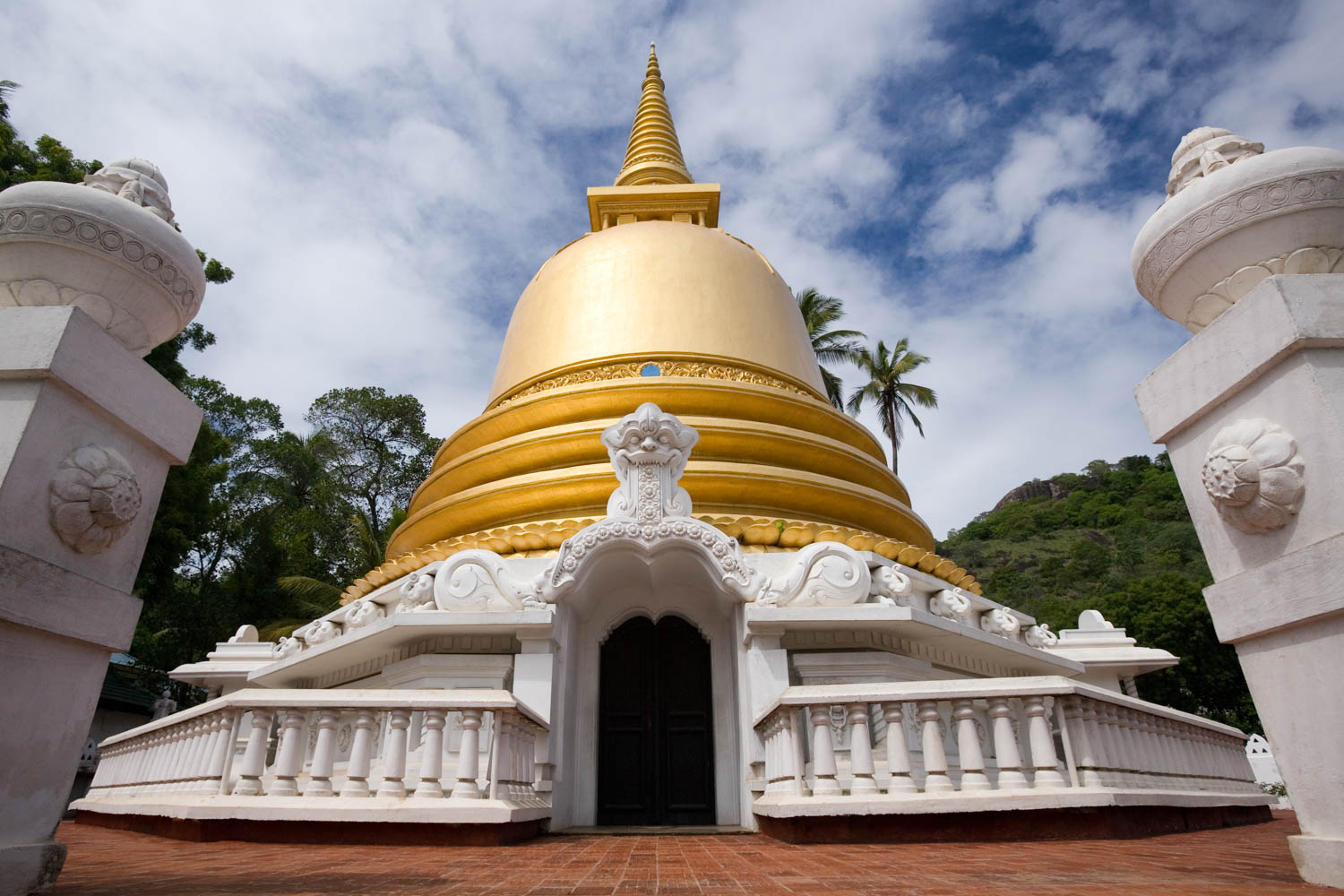
✔️ Combine the safari with Sigiriya, Dambulla or Polonnaruwa on the same day — all three sit within roughly 30–45 minutes of Minneriya.
✔️ Don't expect leopard or sloth bear — both are present but rarely seen; treat elephants and birdlife as the safari, not a bonus sighting.
When to go
The dry, bright window and the months to sit out.
How to spend your safari
- Enter early afternoon. Aim for 2:00–2:30pm rather than a later 4pm slot — elephants come to the lake edge as the day cools, and the earlier start gives you more time before the park closes at dusk.
- Head for the lake, not just the tree line. The Gathering happens on the exposed grass and mudflats around the shrinking tank — ask your driver to prioritise the lakeside tracks over the forest interior.
- Budget the full three to four hours. Elephant numbers build through the afternoon; leaving early because you've "seen elephants" often means missing the bigger herds that arrive closer to dusk.
- Watch the birdlife at the water's edge while you wait for elephants to appear — painted storks, egrets and other waders work the same shrinking shoreline.
- Keep a respectful distance and stay in the jeep. Wild elephants in a large, food-stressed gathering aren't used to close contact, and jeeps that push in for a better photo put everyone at risk.
Pair it with
Worth combining into the same day.

On our routes
In frames
A closer look, frame by frame.
Where to stay
Places we actually put people, at three budgets.
Common questions
Taken from what people actually search for.
When is the best time to see the elephant gathering at Minneriya?
The reliable window is July to October, with August and September the peak, when the tank's water recedes and exposes the grass elephants come to graze on. Outside these months elephants disperse and sightings are smaller and less predictable.
Why did my Minneriya safari end up at Kaudulla instead?
The same elephant population moves between Minneriya, Kaudulla National Park and Hurulu Eco Park depending on where water and grazing are best that month. A switch usually means the herd has genuinely moved, not that you were misled — ask your operator which park the elephants have actually been in that week before booking.
How much does a Minneriya safari cost?
Confirm the current entrance fee and jeep hire cost directly with your operator before booking.
How long does a Minneriya safari take?
Most safaris run three to four hours, typically entered in the early-to-mid afternoon so the drive continues through to dusk, when elephants are most active around the water.
Is the Minneriya safari worth it, or is it too crowded?
At the August to September peak, expect a long line of other jeeps along the lakeside track — it is a shared spectacle, not a private one. The elephant numbers are real and worth seeing regardless; visit on a weekday or slightly outside the absolute peak weeks if crowding matters more to you.
How do you get to Minneriya National Park?
Minneriya sits close to Habarana, with Sigiriya and Dambulla both roughly 30–45 minutes away by road. There is no public transport or self-drive access into the park — every visitor enters by licensed safari jeep.
What other animals can you see at Minneriya besides elephants?
Painted storks and other waterbirds work the same shrinking shoreline as the elephants, and sambar deer, wild buffalo and monkeys are common. Sloth bear and leopard are both present but rarely seen — treat any sighting as a bonus, not an expectation.
Sources and last checked
Make it yours.
Tell us what pulls at you and we'll thread this journey into one private itinerary — sent back on a live link within 24 hours.
Plan your Minneriya safari with Sithiyam
We build private Cultural Triangle itineraries around Minneriya, and we tell you honestly which park the elephants are actually in that week rather than selling a fixed "Minneriya" ticket regardless of where the herd has moved. Your driver-guide handles the entrance permit, the jeep transfer, and the timing — entering when the elephants are actually coming to the water, not on a fixed tour-bus schedule.
👉 Message us on WhatsApp to build a Cultural Triangle route around the season you're travelling in.